
Middle East Conflict Widens as Israel Steps Up Attacks on Lebanon
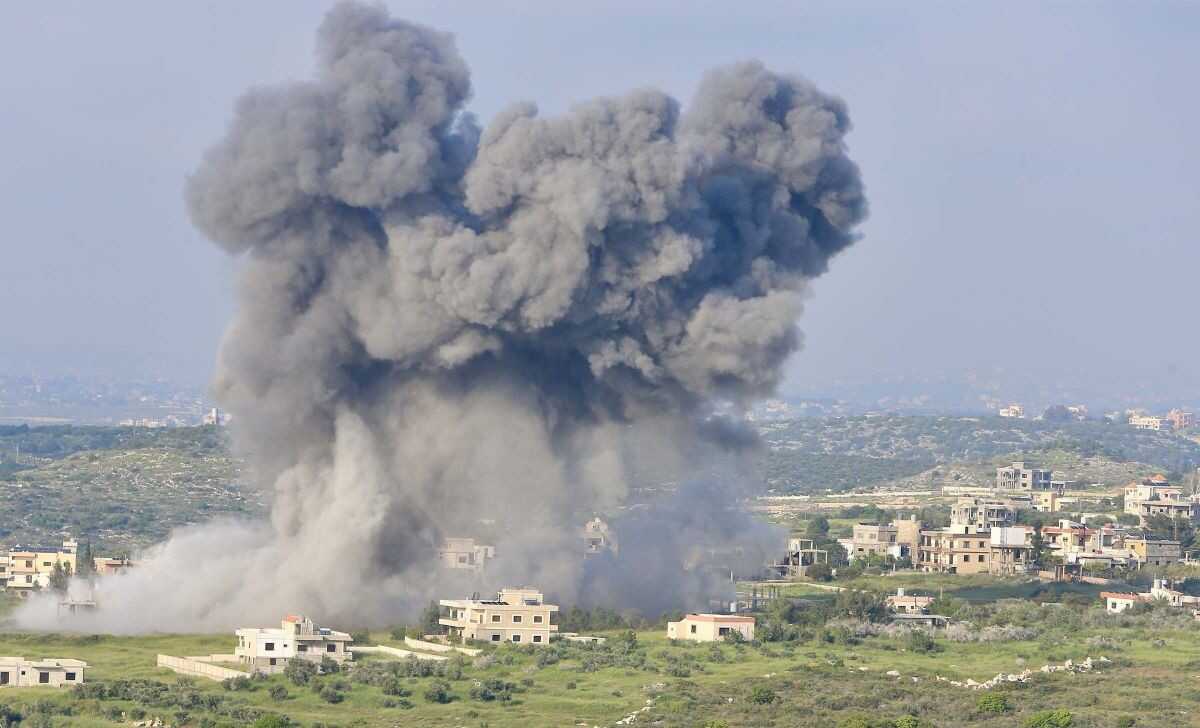
Indonesia suspended discussions on the Peace Council. Israel intensified air strikes on Lebanon on Friday local time, including a major wave of attacks in the Baalbek district. Lebanon’s health authorities said at least nine people were killed and 17 others were wounded as a result of the strikes. The Lebanese Ministry of Health reported that Israeli strikes hit the Nabi Sheet area in the Baalbek district. State media in Lebanon said at least 12 air strikes were launched in the area in a single day. Rescue and debris-clearing operations were under way to search for victims possibly buried under rubble.
The conflict in Lebanon has escalated after the Iran-backed Hezbollah group fired rockets into Israel last Monday. The attack was described as retaliation for the death of Iran’s top leader Ayatollah Ali Khamenei.
Since the escalation, the Lebanese government has said casualties have continued to rise. By Friday morning, the health ministry said the five-day-long war had killed at least 217 people. Lebanese state media also reported Israel launched renewed strikes on the southern outskirts of Beirut on Friday afternoon. The strikes followed air raids the previous night that caused extensive damage in the area.
Earlier, thousands of residents fled Lebanon after Israel issued evacuation warnings. Israel claimed its operation had killed more than 70 Iran-backed Hezbollah fighters.
Live footage showed plumes of smoke rising from several buildings in south Beirut, a densely populated area known as Hezbollah’s base of influence.
Lebanon’s Prime Minister Nawaf Salam warned that the widening Middle East conflict could trigger a major crisis in the country. “The consequences of this displacement, both humanitarian and political, may be unprecedented,” Salam said.
According to Lebanese authorities, since Israel broadened its attacks on Monday, at least 217 people have been killed and 798 wounded. More than 95,000 people have been forced to leave their homes.
“Our country has been drawn into a devastating war that we did not seek and did not choose,” Salam said.
The Lebanese government decided to ban Hizbollah’s military activities after the group fired rockets into Israel to retaliate for the death of Iran’s Supreme Leader Ali Khamenei, which dragged Lebanon into the regional conflict. Separately, Hizbollah also warned Israeli civilians to leave all areas within five kilometres of the border.
Meanwhile, Israeli strikes were reported across several southern and eastern parts of Lebanon, including the city of Sidon. Major attacks were reported on Tyre in southern Lebanon, an area that is home to UNESCO World Heritage sites.
On the same day, two UN peacekeeping personnel were seriously injured and another was traumatised after their base in the south was hit by two missiles believed to be from Israel. Three UN peacekeeping personnel were wounded after their base in southern Lebanon was struck by an attack suspected to be launched by Israel.
The Lebanese health ministry said Israeli strikes in the country since Monday have killed a total of 217 people, most of them civilians. When combined with strikes on residential buildings, Israel adds to the misery and suffering of an already exhausted civilian population.
Iran’s Foreign Ministry spokesman, Esmail Baghaei, accused the United States and Israel of carrying out attacks targeting a primary school in Niloufar Square, Tehran. The Lebanese people can count on our full support and humanitarian aid for thousands of refugees.
Global oil prices surged on Friday amid growing concerns about energy supply disruptions stemming from the Middle East conflict. The Foreign Ministry said Indonesia’s Embassy in Tehran is currently engaging with the Iranian authorities to assist Pertamina’s tanker.
Drone strikes again hit Iraq on Friday (6 March) local time, with several airports and oil facilities targeted. The United States is seen as lacking an adequate defence system to counter Iran’s Shahed drones.
Global oil prices rose after Qatar warned that all oil and gas production in the Gulf region could halt within a few days if the Middle East conflict continues.