
Middle East Conflict Triggers Surge in Energy Prices, Impacts Beginning to Be Felt in Indonesia
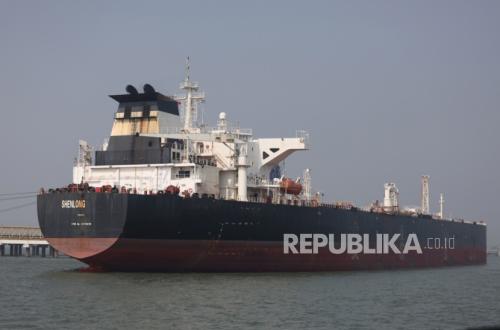
The conflict in the Middle East has the potential to drive up global energy prices. For Indonesia, the impacts are not direct but can be felt by the public through rising prices of goods and living costs.
Data from the Central Statistics Agency (BPS) shows that Indonesia’s trade relations with the Middle East region are relatively small. Exports to the region account for only about 4.2 percent of total national exports, while imports are around 3.9 percent and are dominated by energy.
However, this does not mean Indonesia is immune to the effects. The pressure comes indirectly, particularly from rising global oil prices and logistics costs.
Head of the Indonesia Eximbank Institute, Rini Satriani, stated that the situation in the Middle East is being closely monitored, especially regarding global energy distribution routes. “We are observing the conditions in the Strait of Hormuz because this route is vital for world oil trade,” she said on Thursday (19/3/2026).
The Strait of Hormuz handles a significant portion of global oil distribution. If this route is disrupted, energy prices could rise immediately. The effects would then spread to various sectors.
Although Indonesia does not directly rely on oil imports from the Middle East, around 75 percent of its oil supply comes from Singapore and Malaysia. These two countries also import oil from the conflict zone, so the price increase is still felt domestically.
This rise in energy prices could trigger higher production costs. Industries dependent on imported raw materials, such as manufacturing and petrochemicals, would be the most affected.
For the public, this situation could manifest as higher prices for daily necessities. Additionally, pressure could come from a weakening rupiah exchange rate, making imported goods even more expensive.
On the other hand, Indonesia’s major trading partners such as China, Japan, and India could also be impacted by the rise in energy prices. If industrial activity in those countries slows, demand for Indonesian export products would decline accordingly.
If the conflict persists, global oil prices are projected to range from $85 to $120 per barrel throughout 2026. This figure is significantly higher than at the beginning of the year.
Nevertheless, there is a positive side for certain commodities. Prices of coal and palm oil could also rise, helping to sustain Indonesia’s export performance.
“Energy and agro commodities can still support exports, but risks in the industrial sector must remain vigilant,” said Rini.
Amid this situation, the public is reminded that the impacts of global conflicts are not always immediately visible but gradually felt through rising prices and everyday economic pressures.