
Middle East Conflict Triggers Doubling of Plastic Pellet Prices in Tasikmalaya
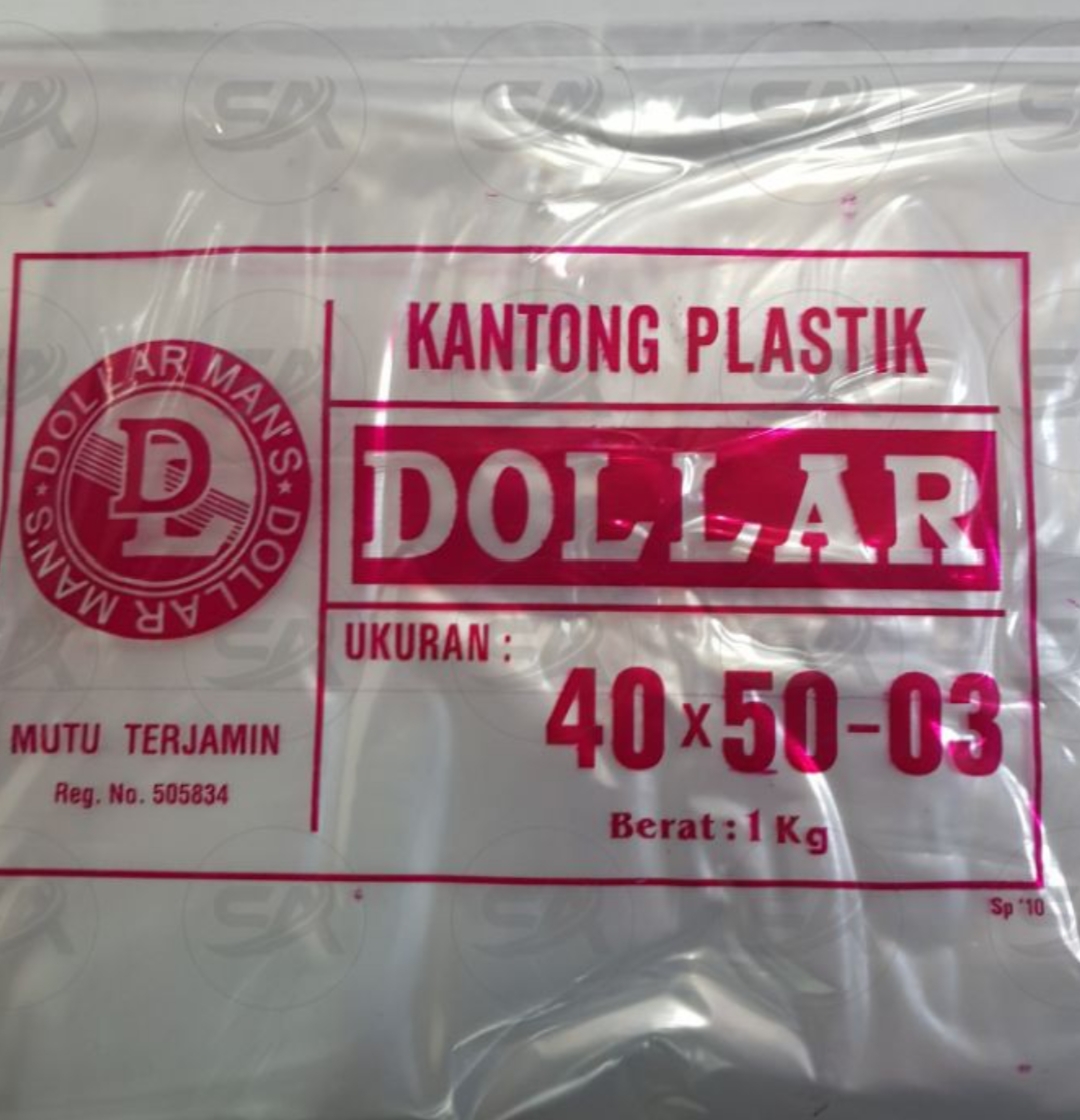
The plastic industry in Tasikmalaya City is beginning to feel the serious impact of the intensifying geopolitical conflict in the Middle East involving the United States, Israel, and Iran. The doubling of raw material prices is forcing business operators to reduce production volumes due to declining market demand.
A plastic entrepreneur from Tasikmalaya City, Lungnajaya, revealed that the military tensions in the region have disrupted the global supply chain and triggered a surge in world crude oil prices. This directly affects the production costs of petrochemicals, which are the main component in making plastic pellets.
“Plastic raw materials are creeping upwards. Although the government is not raising the price of subsidised fuel oil (BBM), global pressures still have a direct impact, especially on the supply chain. The price increase is triggered by disruptions in the distribution of oil and gas worldwide,” said Lungnajaya on Tuesday (7/4).
According to Lungnajaya, the current situation is exacerbated by rising logistics costs and security risks in international trade routes. This has caused plastic pellet prices at the producer level to soar by up to 100 percent or double the normal price.
However, the increased production burden cannot be fully passed on to consumers. Business operators admit they can only raise selling prices by around 60 percent to maintain purchasing power, although the market still shows sluggishness.
“In the market, demand for plastic has started to wane because prices have risen quite high. We are forced to reduce production quantities because demand for goods has decreased,” he added.
In addition to price issues, entrepreneurs are now beginning to worry about potential shortages if the Middle East conflict does not subside soon. At present, although supplies are still available, the procurement procedures for raw materials have become stricter and require cash payments.
Lungnajaya emphasised that his company is still striving to retain employees amid the production efficiency measures being implemented. He hopes that geopolitical stability in the Middle East will soon be restored so that the distribution of energy commodities and industrial raw materials can return to normal.
“We very much hope that the war in the Middle East region will end soon so that production smoothness and price stability can be maintained,” he concluded.