
Middle East Conflict Tests Fiscal Resilience, Government Response Needs Strengthening
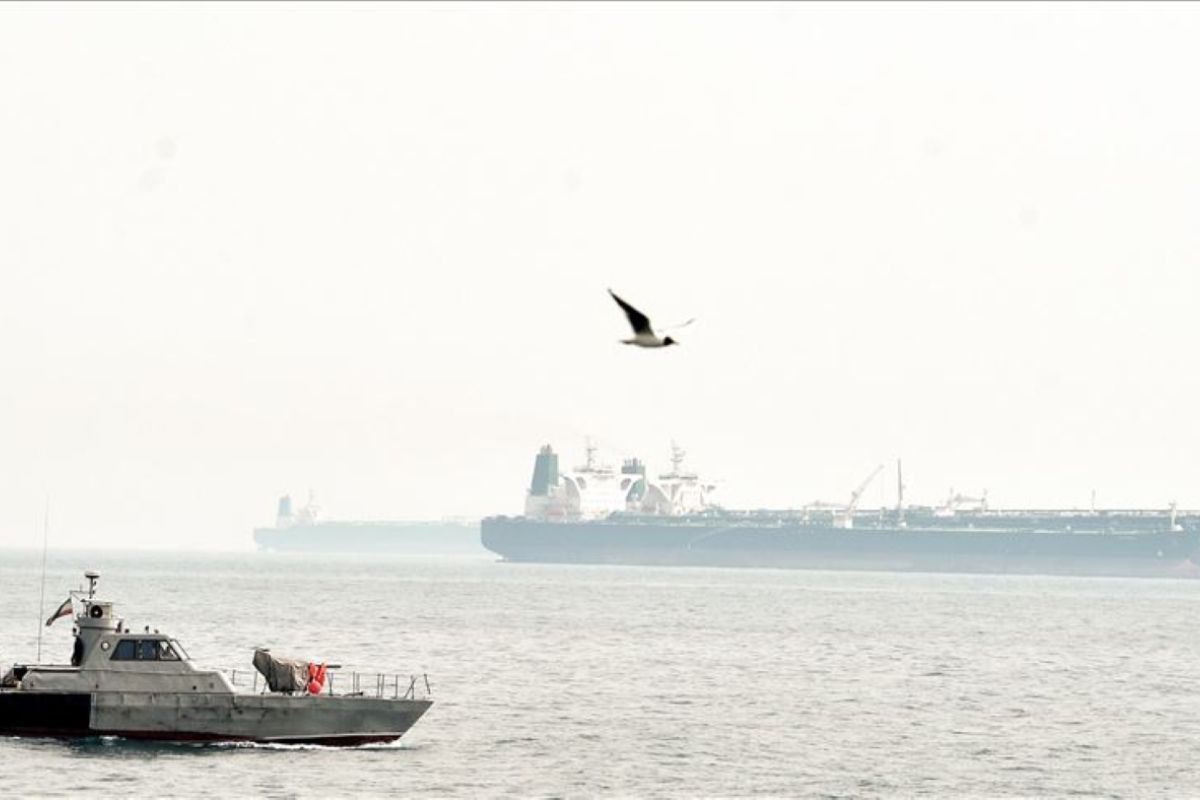
The launch of eight national work culture transformation initiatives is seen as an appropriate initial step by the government in responding to global pressures arising from the Middle East conflict. The escalation of the conflict since the end of February 2026 has triggered disruptions in energy distribution in the Strait of Hormuz, pushing Brent crude oil prices towards US$120 per barrel and pressuring the rupiah exchange rate to the range of Rp16,900-Rp17,058 per US dollar.
Several initial steps have been taken by the government, ranging from implementing work from home (WFH) for civil servants, efficiency in official travel, refocusing of ministry and agency spending, to strengthening energy efficiency agendas. The GREAT Institute assesses these policies as relevant and measurable as an initial response. However, their effectiveness heavily depends on the duration and depth of the global conflict. If the pressure persists longer, the risks to the 2026 state budget could potentially increase and exceed the fiscal deficit limit of 3% of GDP.
GREAT Institute researcher Yossi Martino states that the government’s current steps are still in the early phase of crisis management. He emphasises that the challenges ahead are no longer merely whether the government has acted, but whether the existing policy package is strong enough to maintain fiscal stability, prices, and market confidence.
“Indonesia enters 2026 with relatively narrow fiscal space, while dependence on energy imports remains high, making the domestic economy vulnerable to external shocks,” Yossi said.
The GREAT Institute’s study, using quadruple shock simulations—namely a combination of rising oil prices, rupiah weakening, rising bond yields, and slowing economic growth—shows an increasing direction of fiscal risks. In a moderate scenario, the deficit is estimated to already exceed the 3% of GDP limit, and in the worst-case scenario, it could reach more than 4%. This indicates that global pressures have a direct impact on national fiscal stability.
Another GREAT Institute researcher, Adrian Nalendra Perwira, explains that in the early stage, the government can still rely on administrative measures such as budget efficiency, spending adjustments, and optimisation of ongoing programmes. However, if the pressure escalates to a heavier level, those policies will no longer suffice.
“In such conditions, more sensitive options such as adjusting subsidised fuel prices begin to be considered, which must of course be balanced with social protection for vulnerable groups,” Adrian clarified.
In addition, the GREAT Institute also urges the government to prepare structural measures through the formation of a task force focused on debt management, increasing state revenues, and maintaining market and rating agency confidence. According to Adrian, fiscal credibility is not only determined by deficit figures but also by policy direction clarity, communication consistency, and readiness of medium-term strategies.
In a broader perspective, the GREAT Institute emphasises that fiscal resilience cannot be separated from energy resilience. Dependence on energy imports makes Indonesia vulnerable to every global geopolitical shock. Therefore, strengthening energy reserves, subsidy reforms, and energy source diversification need to become an integral part of the national economic strategy.
The GREAT Institute views the current Middle East conflict as an important warning that energy sovereignty and fiscal health are two interconnected aspects. Without structural improvements, Indonesia risks facing similar pressures every time a global crisis occurs. Therefore, the response to the current situation must not only be short-term but also serve as the foundation for more sustainable economic reforms in the future.