
Middle East Conflict Shows No End in Sight as Global Oil Prices Continue to Soar
Indonesia has suspended discussions on the Peace Council.
Global oil prices surged sharply on Friday after growing concerns about energy-supply disruptions stemming from the Middle East conflict. The war between Iran and the United States and Israel rocked global energy markets and weighed on stock markets.
Brent North Sea crude, the international benchmark, rose to as high as US$92.69 a barrel on Friday (6 March).
The price rise represented an 8.5% jump in a single day and nearly 30% for the week.
Meanwhile, West Texas Intermediate (WTI) crude in the United States rose more than 12% to surpass US$90 a barrel.
The surge was driven by fears of disrupted global oil supply as tensions in the Gulf region intensified.
The conflict between the United States and Israel against Iran, together with Tehran’s retaliatory strikes in the Gulf, sparked uncertainty in the global energy and transport sectors.
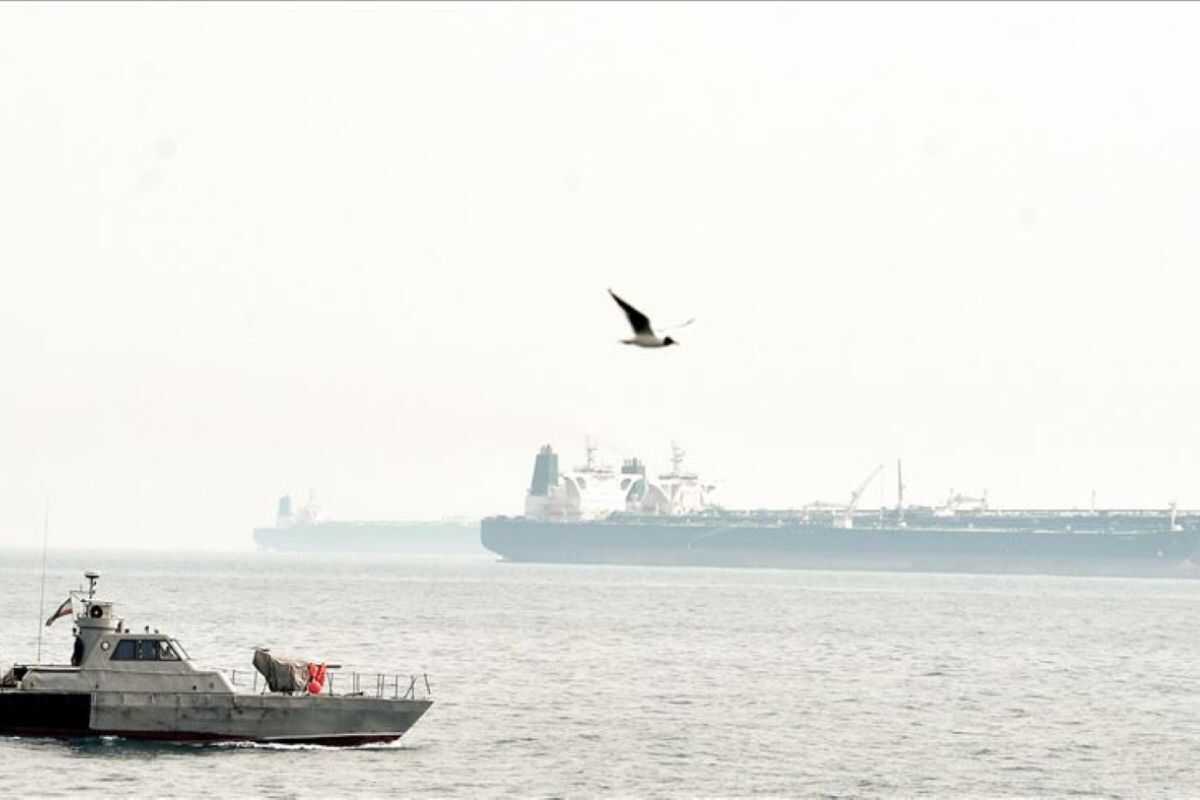
The situation has also affected shipping activity through the Strait of Hormuz. The strategic route carries about one-fifth of the world’s crude oil and liquefied natural gas. Vessel traffic in the area was reported to be almost at a standstill due to heightened security risks.
Earlier, markets had hoped the conflict would be short-lived. But President Donald Trump’s statement demanding Iran’s unconditional surrender was seen as increasing the likelihood of a prolonged conflict. That statement was seen as dashing market hopes that the conflict would soon ease, sending oil prices higher.
The longer-term rise in energy prices also raised concerns about a spike in global inflation. This could slow economic growth and complicate central banks’ ability to cut interest rates. It is predicted that the longer energy infrastructure and delivery routes in the region remain disrupted, the greater the risk of inflation impacting the global economy.
Security conditions have also directly affected energy production in the region. Attacks were reported at several oil fields in southern Iraq and in the autonomous Kurdistan region in the north.
The attacks forced a US-operated oil field to halt production. In addition, Kuwait was reported to be cutting oil production due to storage capacity constraints.
The United States government had previously pledged to protect ships passing through the Strait of Hormuz. However, shipping companies remain cautious about operating in the area. (AFP/E-3)
Israel increased its air strikes on Lebanon on Friday local time, including a series of major strikes in the Baalbek district.
The Ministry of Foreign Affairs said the Indonesian Embassy in Tehran is engaging in diplomacy with the Iranian government to assist Pertamina’s tanker fleet.
Drone attacks again hit Iraq on Friday (6 March) local time. Several airports and oil facilities were targets.
The United States is said to still lack a robust defence system to counter Iran’s Shahed drones.
Global oil prices surged after Qatar warned that all oil and gas production in the Gulf could stall within days if the Middle East conflict continues.
Drone attacks again hit Iraq on Friday (6 March) local time. Several airports and oil facilities were targets.
The United States is said to still lack a robust defence system to counter Iran’s Shahed drones.
Iran rejected claims that the Strait of Hormuz had been closed and accused the United States of violating international law after the sinking of the Dena frigate in the Indian Ocean which killed 100 sailors.
The United States reportedly lost military equipment valued at nearly US$2 billion, or around Rp33 trillion, during the military operations against Iran since Saturday (28 February).
Amid rising tensions in the Middle East, Bank Indonesia reaffirmed its commitment to maintaining stability of the rupiah exchange rate.