
Middle East Conflict: Several European nations to release emergency oil reserves
Brussels — Several European nations have announced plans to release emergency oil reserves following a recommendation by the International Energy Agency (IEA) to deploy the largest strategic petroleum reserve release in history to help dampen surging energy prices amid heightened tensions in the Middle East.
IEA Executive Director Fatih Birol stated on Wednesday 11 March that all 32 member nations of the agency have unanimously agreed to release 400 million barrels of crude oil to the market from their emergency reserves.
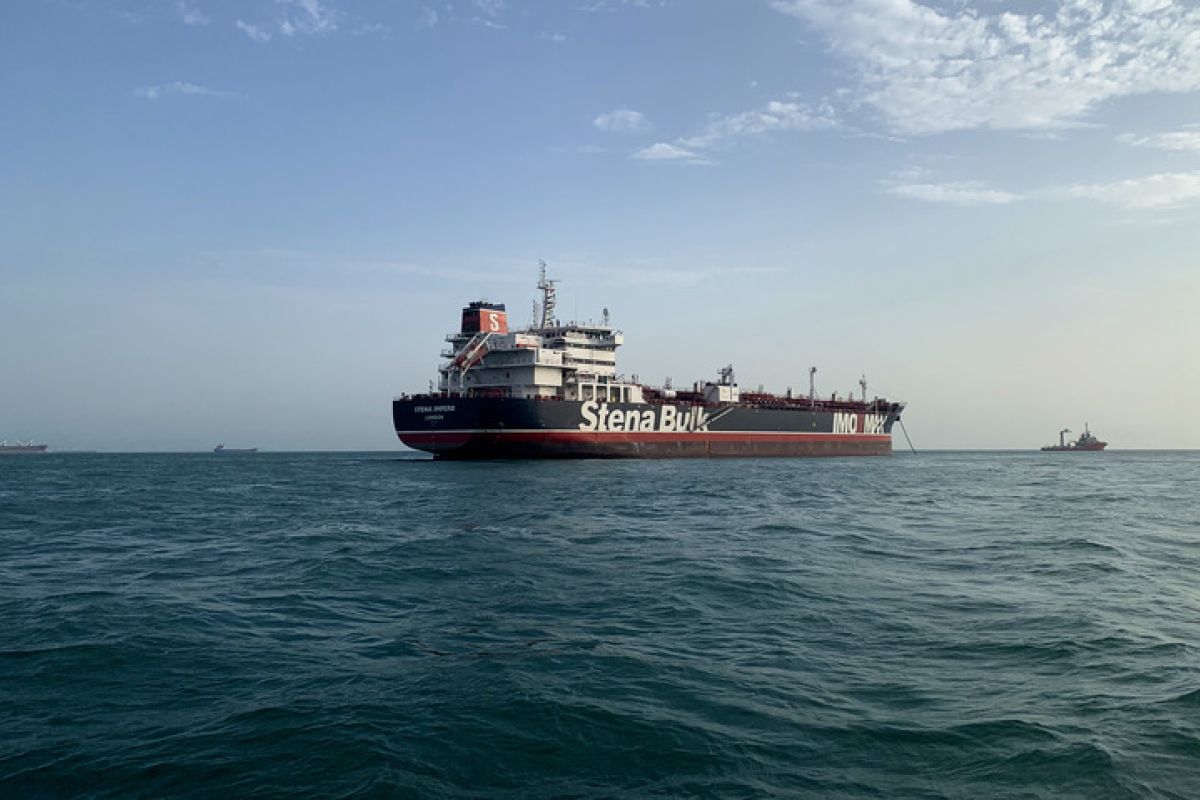
This measure aims to address disruptions in the global oil market caused by conflict in the Middle East, particularly due to the effective closure of the Strait of Hormuz, a critical global shipping route for energy and food supplies.
On 28 February, Israel and the United States launched a combined strike on Tehran and several other Iranian cities. Iran responded with waves of missile and drone attacks targeting Israeli and American assets in the Middle East.
According to the IEA, the conflict is significantly disrupting oil flows through the Strait of Hormuz, with crude oil exports and various refined products currently less than 10 per cent of pre-conflict levels.
Brent crude, the international oil price benchmark, temporarily climbed to around $119 per barrel on Monday 9 March, the highest level since mid-2022, before declining to $87.57 on Wednesday.
European Commission President Ursula von der Leyen stated on Wednesday that “since the start of the conflict, gas prices have risen 50 per cent and oil prices have risen 27 per cent.”
Speaking after a video conference with leaders from the Group of Seven (G7), French President Emmanuel Macron confirmed that France will release 14.5 million barrels from its strategic oil reserves.
Germany will release 19.51 million barrels from its strategic reserves, according to Federal Minister for Economics and Energy Katherina Reiche, adding that the country will act in accordance with IEA solidarity principles.
Meanwhile, Britain stated it will release 13.5 million barrels of oil to help protect consumers from short-term global supply disruptions that could trigger price volatility and damage the global economy, according to a government statement.
Other European nations that are IEA members have also announced their contributions. The Netherlands will release 5.36 million barrels from its national strategic reserves, approximately 20 per cent of its total reserves, said Dutch Minister for Climate and Green Growth Stientje van Veldhoven-van der Meer on Wednesday.
Austria will begin releasing 325,000 tonnes of crude oil from its strategic reserves as part of a joint effort to stabilise the global energy market, according to Austrian Minister for Economy, Energy and Tourism Wolfgang Hattmannsdorfer.
Portuguese Prime Minister Luis Montenegro stated that his country will release approximately 10 per cent of its strategic oil reserves.
Latvia, Estonia and Lithuania have also expressed their readiness to release emergency oil reserves to the market.
According to the IEA, its member nations collectively hold emergency oil reserves exceeding 1.2 billion barrels, in addition to approximately 600 million barrels of industrial stocks held under government mandate.