
Middle East Conflict Persists, Apindo Urges Employers to Conserve Energy and Fuel
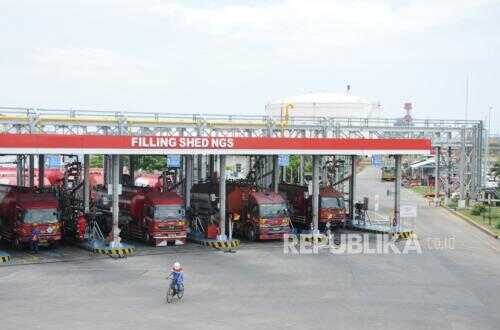
Frans Kongi, the chairman of the Indonesian Employers Association (Apindo) for Central Java Province (Jateng), has urged businesspeople to economise on energy and fuel. This follows the ongoing conflict in the Middle East.
Frans said the conflict currently unfolding in the Middle East is no small matter. Its effects can disrupt the global supply chain.
‘With wars like this, there will certainly be disruptions. It could affect our production, logistics costs, fuel prices could rise, and so on,’ Frans said in an interview on Friday, 6 March 2026.
Therefore, he emphasised that the conflict is not at all beneficial to the business world. ‘The current situation indeed requires caution. So we inform all APINDO members to cut costs, save energy, and conserve fuel. This is one way for us to survive,’ he added.
Frans hopes the conflict in the Middle East will end soon. ‘If it lasts in the long term, we will be in bigger trouble. It is very dangerous for our economic growth and for our business world,’ he said.
According to Frans, the domestic business climate in Indonesia is not yet fully robust. Inflows of investment have not been particularly significant. Indonesia still needs to expand employment opportunities.
‘Therefore we hope this conflict can end as quickly as possible. If it lasts longer, it will be heavy for us. I am also afraid,’ Frans said.
The situation in the Middle East heated up following a joint US-Israel attack on Iran on 28 February 2026. In the wake of that attack, Iran announced the closure of the Hormuz Strait. More than 20 percent of global oil supply must pass through that strait every day.
Not only did Iran close the Hormuz Strait, but it also launched a series of strikes targeting US diplomatic and military facilities in several Middle Eastern countries. Israeli territory was not spared from Iran’s air strikes.