
Middle East Conflict Heats Up, Indonesia's Energy Sector Is Put to the Test
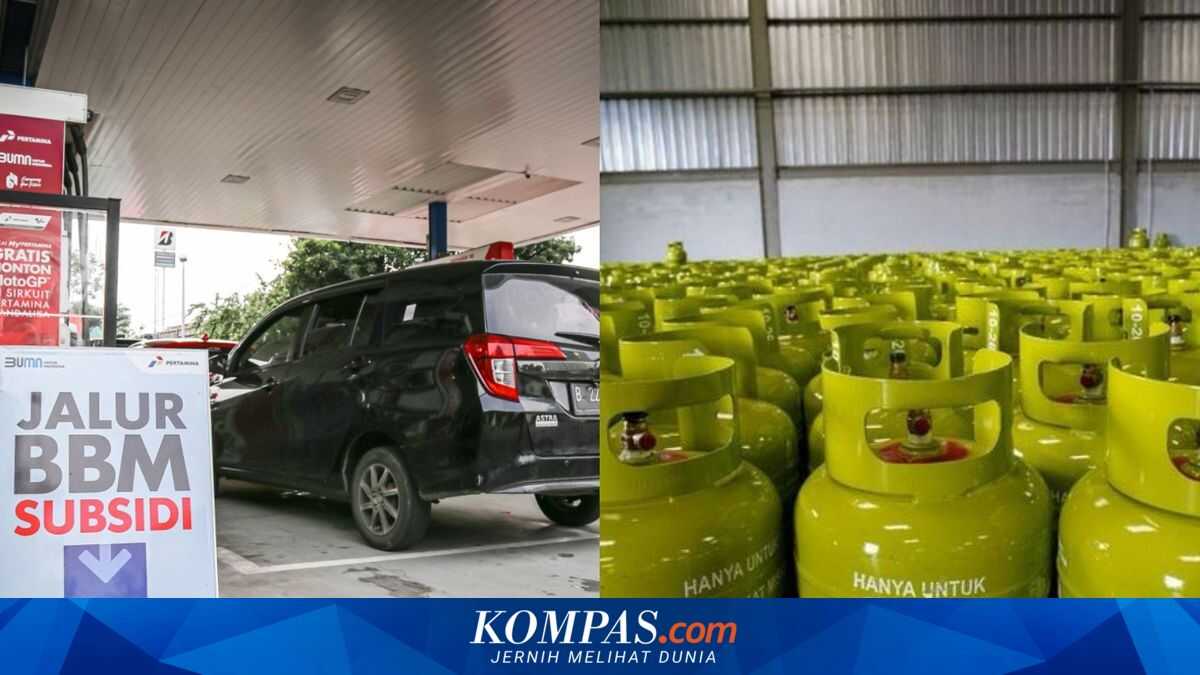
Jakarta, Kompas.com – The escalating conflict between Iran, the United States, and Israel is placing Indonesia’s energy resilience in the spotlight. Amid the risk of global supply disruptions, the government and the House of Representatives (DPR) are ensuring mitigation measures are prepared so that domestic needs for fuel and LPG remain safeguarded.
Dewi Yustisiana, a member of Commission XII of the Indonesian DPR from the Golkar faction, urged PT Pertamina (Persero) to undertake a comprehensive mitigation to anticipate the impact of the conflict escalation on the stability of crude oil and national Liquefied Petroleum Gas (LPG) supply.
“Indonesia must ensure that anticipatory steps are taken early so that domestic supply remains secure and prices do not become volatile, especially for the needs of the public,” Dewi said in a statement on Wednesday (4 March 2026).
The lawmaker from South Sumatra II said Pertamina’s crude oil purchasing mechanism, including from Saudi Aramco, is conducted under a business-to-business (B to B) scheme. In this scheme, contracts are commercial between corporations, making risk management, supply flexibility, and delivery scheduling crucial aspects in facing geopolitical dynamics.
The Commission XII of the Indonesian DPR, the lawmaker said, will continue to perform its oversight function to ensure readiness and rapid response in safeguarding national energy security.
Meanwhile, Energy and Mineral Resources Minister Bahlil Lahadalia assured that national fuel stocks are still safe for the next 20 days. “Still enough, 20 days,” he said while attending a meeting with President Prabowo Subianto at the State Palace, Jakarta, on Monday (2 March 2026). He added that fuel subsidies for the public are not experiencing any obstacles. However, he warned of potential price corrections due to geopolitical turmoil. “World prices will certainly adjust when geopolitics continues to escalate in the Middle East.” “Tomorrow I will hold a meeting with the National Energy Council (DEN); after that, I will present the DEN’s analysis and study findings,” he added.