
Middle East Conflict Heats Up as Prabowo Discusses Economic Impact on Indonesia
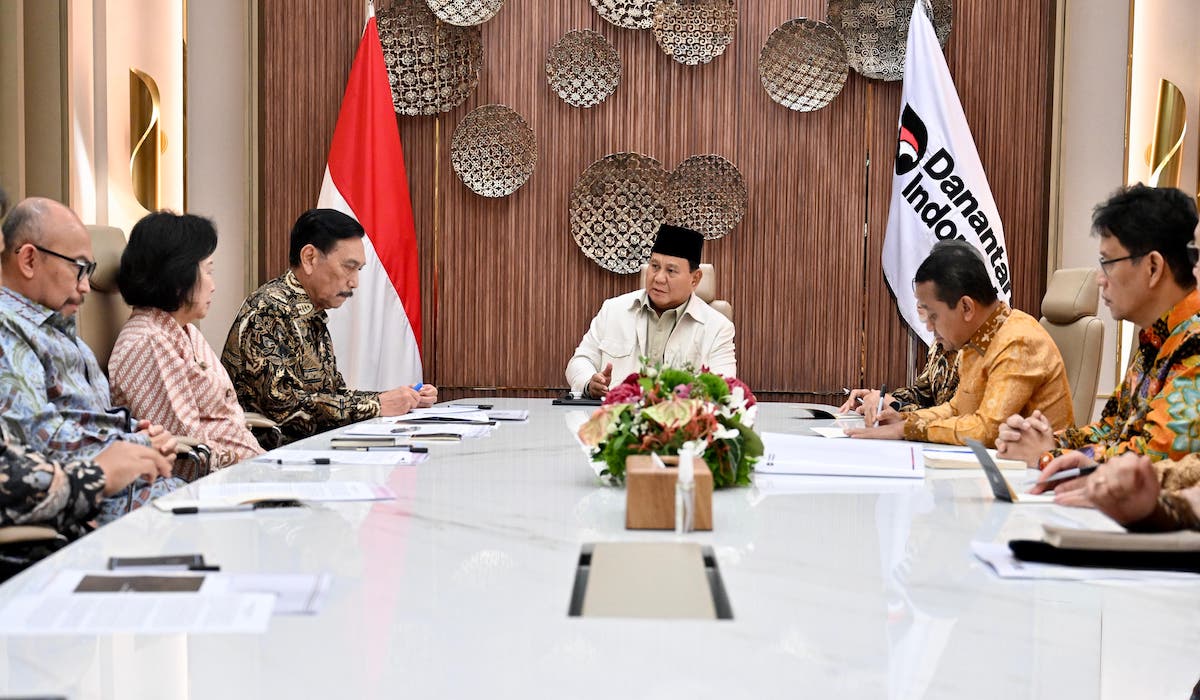
President Prabowo Subianto discussed potential impacts of global conflicts on Indonesia’s economy during a meeting with the National Economic Council and several ministers in Jakarta on Wednesday, 11 March. One key issue highlighted was the escalation of Middle East conflict, which could affect global economic and energy stability.
Cabinet Secretary Teddy Indra Wijaya stated that the meeting specifically focused on developments in the global economy and their potential consequences for Indonesia.
“President Prabowo received the Chair and members of the National Economic Council (DEN) along with relevant ministers to discuss global economic developments, including potential impacts of Middle East conflict escalation on the world and Indonesian economies, in Jakarta on Wednesday, 11 March 2026,” said Teddy in a written statement quoted on Thursday, 12 March.
Amid these global dynamics, the government ensured that domestic energy supply conditions remain relatively secure. Availability of petroleum fuel and gas is described as still capable of meeting domestic needs.
“During the meeting, it was conveyed that domestic fuel oil and gas supplies are in adequate condition. The government will continue to monitor developments in global energy prices and prepare mitigation measures to ensure impacts on the state budget remain manageable,” said Teddy.
Nevertheless, the government is preparing various strategic steps to strengthen national economic resilience. One agenda emphasised by Prabowo is accelerating energy self-sufficiency programmes to reduce dependence on foreign energy supplies.
“The President also emphasised the importance of accelerating energy self-sufficiency as well as strengthening government digitalisation, including through pilots for digitalising social assistance distribution, to improve efficiency of state spending,” said Teddy.
Additionally, Prabowo requested all government agencies increase vigilance regarding geopolitical and global economic developments, which are considered fraught with uncertainty.
“The President requested all government agencies continue to anticipate developments in global situations and ensure national economic stability remains secure,” Teddy concluded.