
Middle East Conflict Escalates; Iran Warns Oil Price Could Reach 200 US Dollars
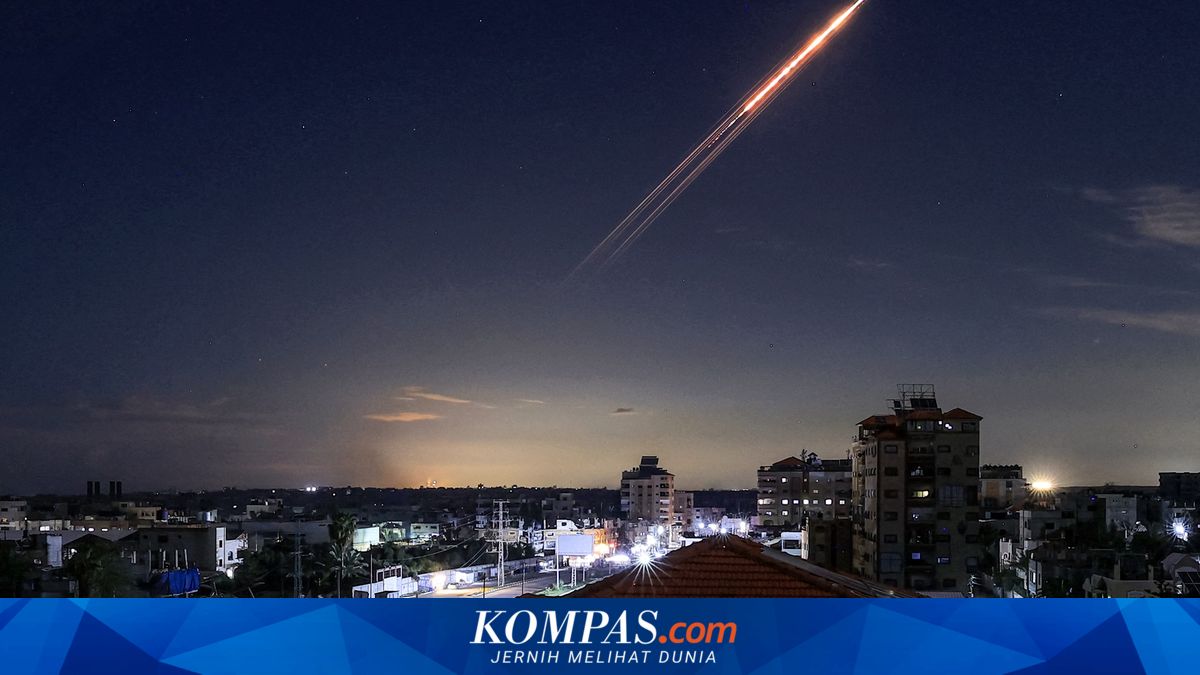
JAKARTA — Geopolitical tensions in the Middle East have renewed concerns about the stability of global energy supply.
This follows Iran’s warning that global oil prices could surge to 200 US dollars per barrel.
The warning has emerged amid escalating military conflict involving the United States and Israel, alongside heightened risks of energy distribution disruptions through the strategically important Strait of Hormuz.
“Prepare for oil prices to reach 200 dollars per barrel because oil prices depend on regional security which you have destabilised,” said Ebrahim Zolfaqari, according to Reuters reporting on Thursday, 12 March 2026.
The statement underscores that security dynamics in the region remain a primary factor influencing global energy price volatility.
Market concerns have intensified following the Iranian Revolutionary Guard Corps (IRGC) warning that it would not permit “a single litre” of oil to pass through the Strait of Hormuz whilst attacks on Iran continue.
The narrow waterway located between Iran and Oman carries approximately one-fifth of global oil supplies daily, meaning even minor disruptions could significantly impact international energy market equilibrium.
Threats of a blockade on this route could trigger supply shortages in global markets, particularly for major importing nations in Asia that are heavily dependent on oil from the Persian Gulf region.
The conflict escalation has also directly impacted shipping activity and maritime security in the area.
Shipping disruptions have increased risks for global energy and maritime companies. Beyond potential delays in oil distribution, logistics costs and shipping insurance premiums for energy deliveries are likely to rise due to deteriorating security conditions.
Additionally, the conflict has affected energy production facilities and infrastructure in the region.
Attacks on transport networks and energy facilities have reportedly caused temporary operational shutdowns at several locations, further limiting producers’ capacity to supply global markets.