
Middle East Conflict: DPR Urges Government to Anticipate Food Price Surge
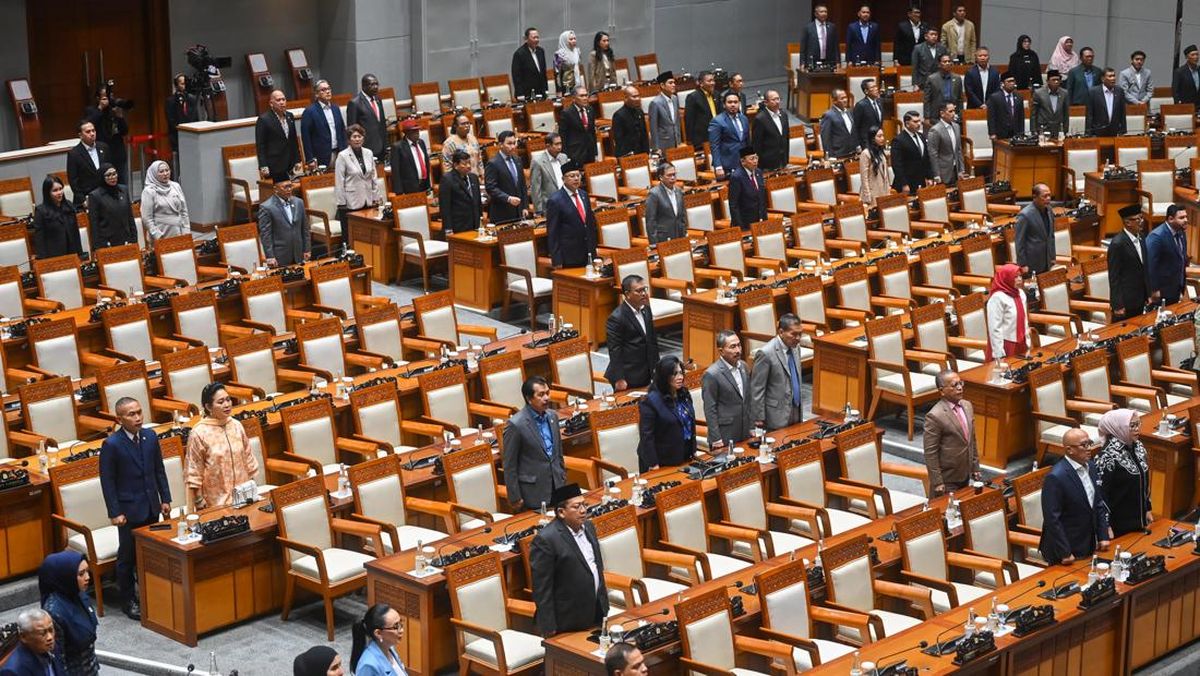
Member of DPR Commission IV, Eko Wahyudi, has warned the government to anticipate a surge in food prices following the escalation of global geopolitical conflicts, namely the war in the Middle East (Timteng), which shows no signs of abating.
According to Eko, the government must continuously monitor global food prices and not hesitate to intervene. He believes the government can utilise the National Nutrition Agency (BGN) to absorb domestic production if the price rise cannot be contained.
He highlighted the price of eggs, which had recently fallen despite the overall surge in food prices.
“To mitigate losses for chicken farmers due to high feed prices and low selling prices, the BGN can direct SPPG as the implementing unit of the Free Nutritious Food Programme (MBG) to absorb egg production in order to stabilise prices and benefit local farmers,” said Eko.
Eko revealed data from the UN Food and Agriculture Organisation (FAO) reporting a 2.4 per cent rise in global food prices in March.
The increase was triggered by soaring energy costs due to the Middle East conflict. According to Eko, this situation directly impacts the production costs of certain goods if the government is slow to anticipate the price escalation.
However, he praised the government for maintaining national food stocks, particularly rice.
Quoting a statement from Agriculture Minister Amran Sulaiman some time ago, rice stocks as of 7 April 2026 have risen to 4.6 million tonnes.
This amount can meet needs for the next 11 months. On the other hand, BPS data also reveals that this year’s rice production has increased by 4.07 million tonnes, or 13.29 per cent.
“I greatly appreciate the hard work of all elements, in line with President Prabowo’s strategic programme,” said Eko.
Nevertheless, Eko still urged the government to anticipate the dry season, which is predicted to be longer than the previous year and could threaten national food production.
“Through mapping and cross-sectoral mitigation in affected areas and regions with support for tools and infrastructure,” he said.