
Middle East Conflict Could Push Global Oil Prices Above 100 US Dollars per Barrel
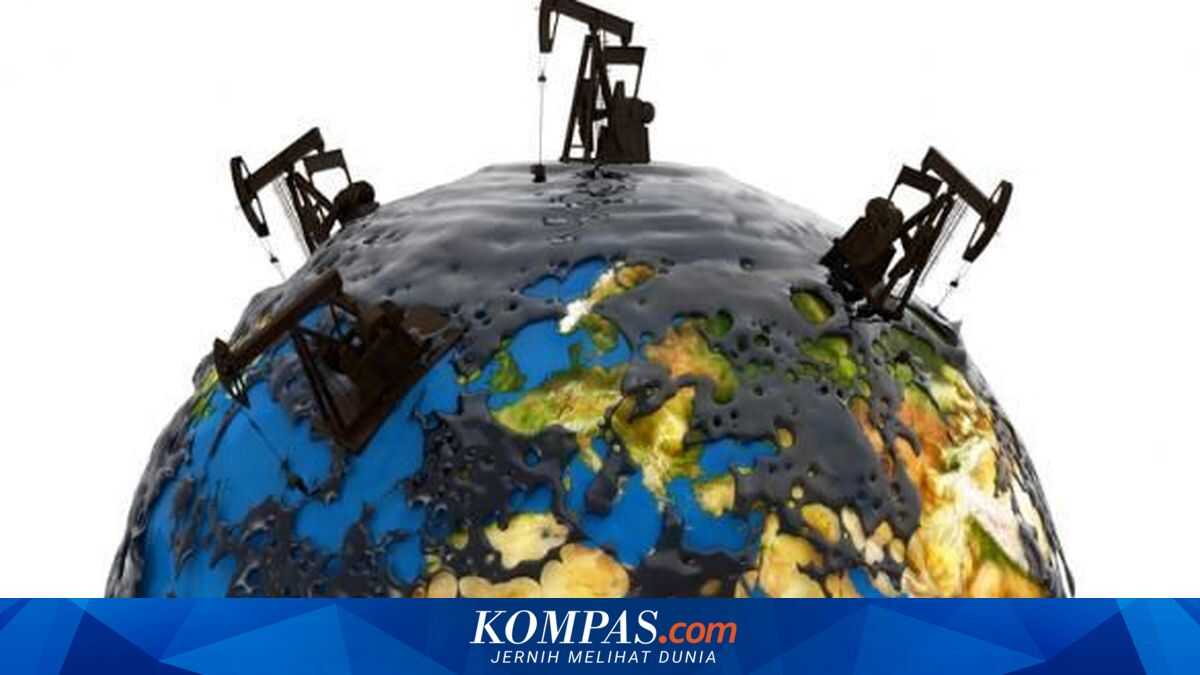
JAKARTA — Combined attacks by the United States and Israel against Iran have sparked fresh concerns in the global energy market. The conflict, involving one of the world’s major oil producers, is assessed as posing risks to energy supply disruptions from the Middle East, and in worst-case scenarios could trigger global economic recession.
Iran is the fourth-largest oil producer within the Organisation of the Petroleum Exporting Countries (OPEC), producing over 3 million barrels per day as of January 2026. The Islamic Republic also has a coastline directly bordering the Strait of Hormuz, the most vital maritime passage in global oil trade.
According to international CNBC reporting, the oil market has to date tended to overlook supply disruption risks from the region. However, Bob McNally, former energy adviser to the White House during President George W. Bush’s administration, believes market participants are underestimating Iran’s potential retaliatory capacity against US strikes.
“This is an extremely serious situation,” said McNally, founder and president of Rapidan Energy.
In the latest trading session, Brent crude closed at 72.48 US dollars per barrel, up 2.45 per cent. Meanwhile, US West Texas Intermediate (WTI) crude rose 2.78 per cent to 67.02 US dollars per barrel.
McNally assessed that Iran could increase pressure by making the Strait of Hormuz unsafe for commercial shipping traffic. Should that occur, oil prices could potentially surge above 100 US dollars per barrel.
“Prolonged closure of the Strait of Hormuz would almost certainly trigger global recession,” McNally stated.
Beyond oil, approximately 20 per cent of global liquefied natural gas (LNG) exports, particularly from Qatar, also transit through the strait. Should this route be disrupted, supply cannot be easily replaced in the short term.
Kpler analyst Matt Smith noted that more than 20 million barrels of crude oil have been loaded for export from Gulf states including Saudi Arabia, Iraq, United Arab Emirates, Kuwait, and Qatar.