
Middle-Class Incomes Struggle to Keep Up with Rising Car Prices
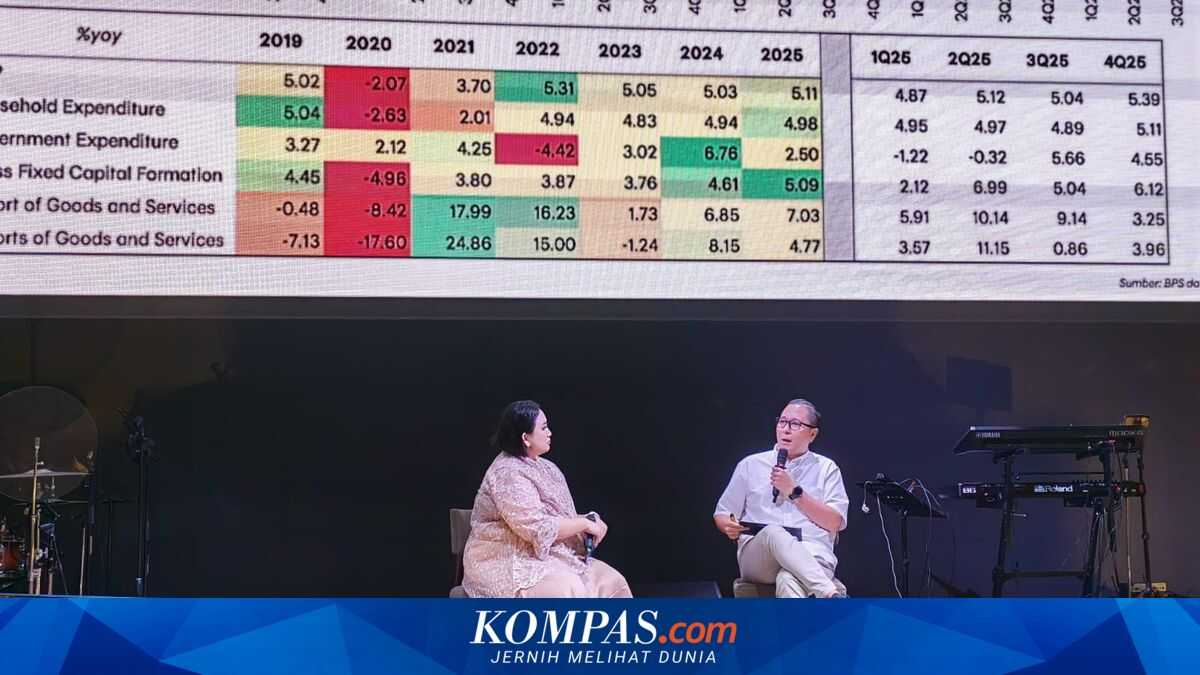
JAKARTA, KOMPAS.com – The price increases of cars rising faster than the growth of household incomes have been one of the factors weighing on automotive consumer purchasing power in Indonesia in recent years. Chief Economist Josua Pardede of Permata Bank says this phenomenon is felt especially by the middle class, which has long been the main contributor to the four-wheeled vehicle market. According to him, the growth of middle-class income each year is relatively limited, while car prices rise faster. This imbalance forces some people to adjust their spending power when they want to purchase a vehicle. He explained that consumers are now increasingly rational in making car purchase decisions. If previously vehicle purchases were often driven by pride or prestige, now financial considerations have become the main factor. “People are now more concerned about protecting their wallets. They calculate whether the loan instalments can still be paid,” said Josua. Therefore, consumers are also increasingly sensitive to various cost factors, ranging from vehicle price, loan instalments, fuel consumption, to maintenance costs of the vehicle. In the automotive context, some consumers who previously could afford to buy new cars are now considering cheaper options, including switching to second-hand cars. “Those who previously could buy a new car may now switch to a second-hand car,” said Josua. He added that this condition also affects the structure of the national automotive market which is currently still dominated by relatively affordable vehicles. This phenomenon also affects the structure of the national automotive market. Currently around 70 to 80 percent of car sales in Indonesia are concentrated in the segment of vehicles priced below Rp 300 million. On the other hand, Josua regards the dynamics of car sales as closely related to the overall economic conditions. He cited that when Indonesia’s economic growth is above 5 percent and even approaching 6 percent before 2014 or before the pandemic, national car sales were able to hold at around 1 million units per year. Nevertheless, Josua expects the automotive market to show gradual improvement. He forecasts national car sales this year to reach around 821,000 to 825,000 units, up from last year’s realisation in the range of 803,000 units.