
Meta to Harness Space-Based Solar Power for Data Centres
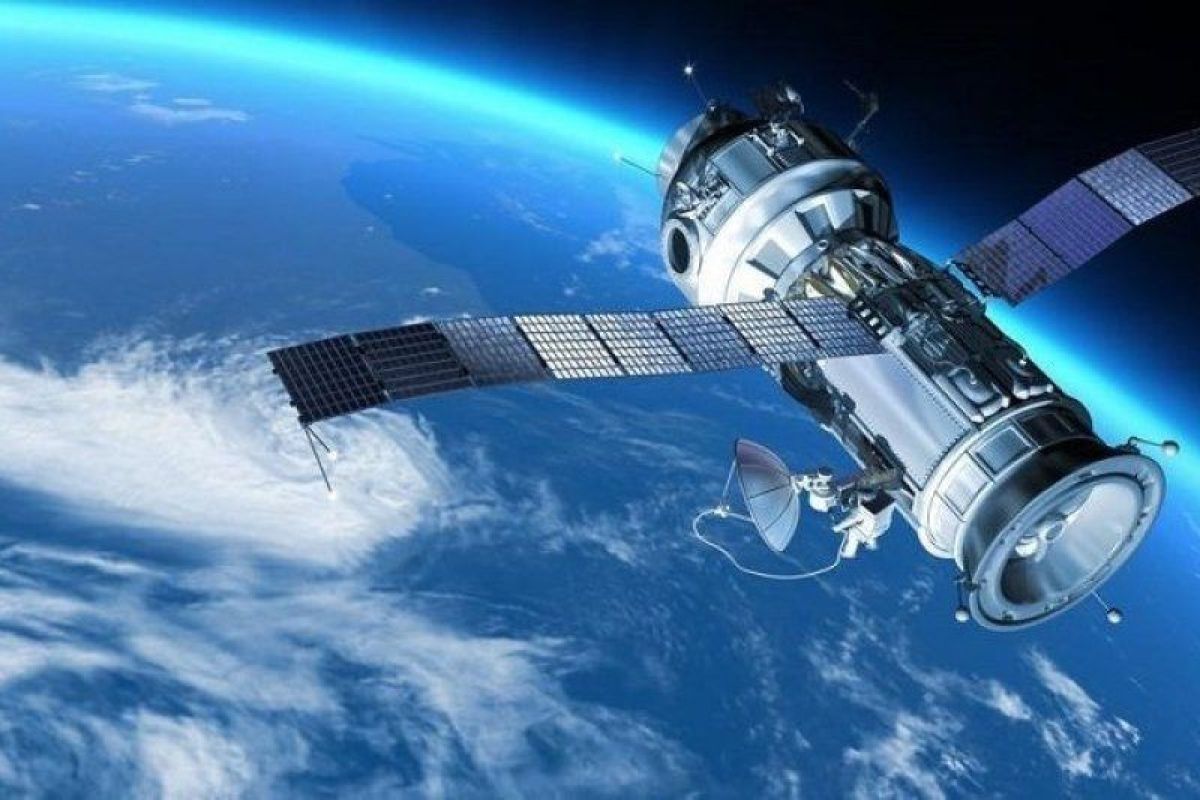
Jakarta (ANTARA) - Technology company Meta will utilise solar power from outer space to supply energy to its data centres at night. Meta is fulfilling this by signing an agreement with a startup company named Overview Energy, which allows thousands of the startup’s satellites to beam infrared light to solar farms powering Meta’s data centres. According to TechCrunch reports on Monday, Meta’s data centres require significant power to run competitive computing in this era of artificial intelligence. In 2024 alone, the company used more than 18,000 gigawatt-hours of electricity—roughly enough to supply electricity to more than 1.7 million homes in America for a year. Generally, data centres switching to solar power must invest in battery storage or rely on other power generation sources to operate at night. However, Overview offers an alternative solution. The four-year-old startup based in Virginia is developing spacecraft that collect abundant solar energy in space. By using broad infrared beams to power existing terrestrial solar infrastructure, Overview believes it can avoid technological challenges as well as security and regulatory issues that hinder plans to beam power directly to Earth. Overview CEO Marc Berte even claims that people can look directly at the satellite beams without negative implications. Overview states that it has demonstrated power transmission to Earth from an aircraft and plans to launch satellites into low Earth orbit in January 2028 for its first space-based power transmission. In its latest announcement, Meta said it has signed the first capacity reservation agreement with Overview to receive up to 1 gigawatt of power from the company’s spacecraft. Berte estimates that satellites will begin launching to fulfil this commitment in 2030, with the goal of flying 1,000 spacecraft in geosynchronous orbit, a high orbit where each satellite remains above the same point on Earth. He estimates that each of the company’s spacecraft will provide space-based power for more than 10 years. Once in space, Berte said the fleet of spacecraft will be able to cover about a third of the planet, with initial deployment reaching from the US West Coast to Western Europe.