
Meta Finally Complies, Government Restricts Children's Access to Social Media
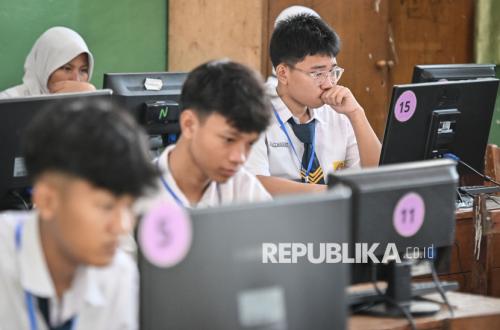
The Indonesian government is reorganising the digital space with decisive steps: restricting children’s access to social media. This policy not only targets user behaviour but also forces global technology giants to adapt. Amid concerns over the impact of digital content on the younger generation, the state is now acting as a “gatekeeper” in what was previously an almost boundless realm. This move signals a major change. The previously free and nearly uncontrolled digital world is now entering a new phase, more orderly, measured, and focused on protection. Far from mere administrative rules, this policy reflects a collective anxiety: are our children still safe in an increasingly wild digital space? Technology company Meta, owner of Facebook, Instagram, and Threads, has finally adjusted its policies in Indonesia. This adjustment is in response to Government Regulation No. 17 of 2025 on the Governance of Electronic System Providers in Child Protection (PP Tunas). In its official statement, Meta affirmed its commitment to complying with the regulation by ensuring an age-appropriate digital experience. This policy directly affects users under 16 years old, who can no longer access the platforms freely without age verification mechanisms. The government, through the Ministry of Communications and Digital (Kemkomdigi), welcomes this step as a form of compliance by global platforms with national law. Communications and Digital Minister Meutya Hafid stressed that technical obstacles are not a reason to ignore regulations. “Technical issues are actually not an obstacle. This is a matter of willingness, a matter of intent from major platforms to comply with the law in Indonesia,” she said. PP Tunas, which takes effect from 28 March 2026, regulates various aspects of child protection in the digital space, including age-based access restrictions, personal data protection, and the provision of mechanisms for reporting harmful content. Several platforms such as Meta, X, and Bigo Live have been assessed as complying with the regulation, while others are still in the adjustment phase. On the ground, this policy is being translated into concrete practices. Educators in various regions welcome the restrictions as an important step in forming healthier digital habits. In Tangerang City, for example, schools are beginning to tighten gadget use during learning activities.