
Merger of Global Feed Giants Poses Challenge for National Poultry Industry
The Indonesian poultry industry is entering a new phase following the merger of two global feed giants, De Heus Animal Nutrition and CJ Feed & Care, with a transaction value of approximately IDR 24 trillion. This acquisition, encompassing 17 plants in five countries, including Indonesia, and scheduled for completion in mid-2026, is more than just a typical business expansion; it represents a significant shift in the competitive landscape of the national feed and poultry industry.
De Heus is not only acquiring physical assets but also technology, nutritional formulation systems, modern farm management practices, and a distribution network built over decades. With strong capital backing and global experience, the company has the potential to become a significant new force in the domestic market, which has long been dominated by integrated business groups. On the other hand, the national industry still faces the classic challenge of oversupply of Day-Old Chicks (DOC). Production, reaching approximately 3.5 billion chicks per year, is not yet fully balanced with the national demand of around 3.2 billion chicks.
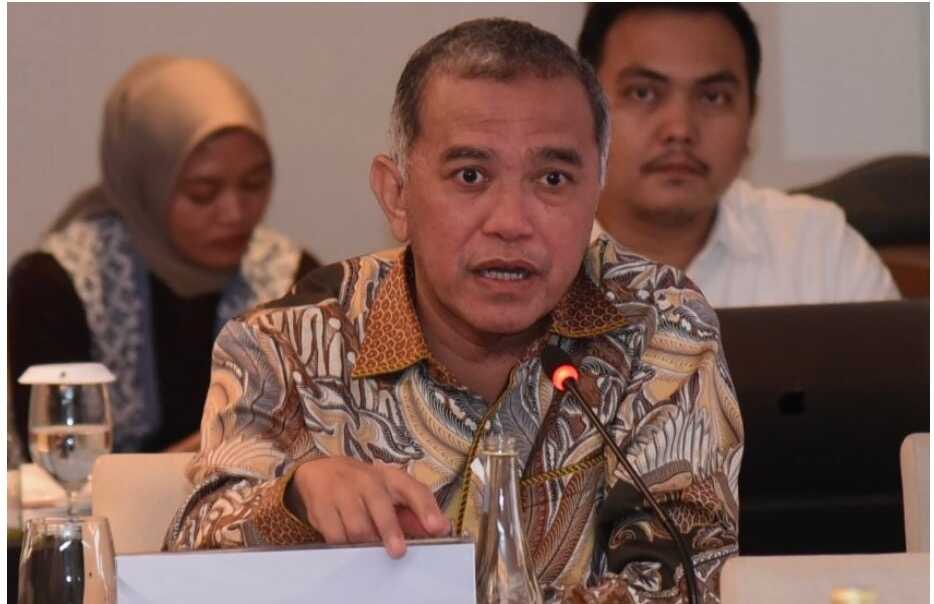
“This condition often triggers price fluctuations that harm independent farmers. The presence of a global player with high efficiency and large economies of scale has the potential to reduce production costs and market prices, which, if not anticipated, could further narrow the space for small farmers,” said Chairman of the Indonesian Independent Poultry Farmers Association (PINSAR Indonesia), Singgih Januratmoko, quoted from a press release received on Thursday (February 26).
However, this merger is not solely a threat. Increased competition can stimulate efficiency and innovation in the domestic industry. Previously, the market structure, which tended to be oligopolistic, allowed some players to remain relatively comfortable. With this new dynamic, the entire ecosystem is required to improve and enhance its competitiveness.
The government has increased the quota for Grand Parent Stock (GPS) imports to 800,000 chicks in 2026 to anticipate increased demand, including from the Free Nutritious Meal Program. This policy must be managed with careful planning to avoid exacerbating oversupply in the next two to three years. Strengthening data, production governance, and population control are key to stability.
Government support is essential, not in the form of protectionism that isolates itself from investment, but through the creation of a fair playing field. Supervision of business competition practices must be strengthened to prevent excessive market dominance. At the same time, access for small farmers to technology, financing, and markets needs to be expanded so that they are not left behind in the competition. The De Heus-CJ merger confirms that the globalization of the food industry has become a reality. Indonesia still has advantages in the form of a deep understanding of local farmers, a broad distribution network, and a large production base.
“If this momentum is used to strengthen the foundations of the industry from upstream to downstream, Indonesia has the potential to become a resilient animal protein production center in the region,” he emphasized. Conversely, without consolidation and policies that strengthen national competitiveness, what is threatened is not only market share but also the sustainability of millions of small farmers as the backbone of food security. (E-4)