
Merah Putih Cooperatives in Yogyakarta Serve 6,500 Civil Servant Batik Uniforms
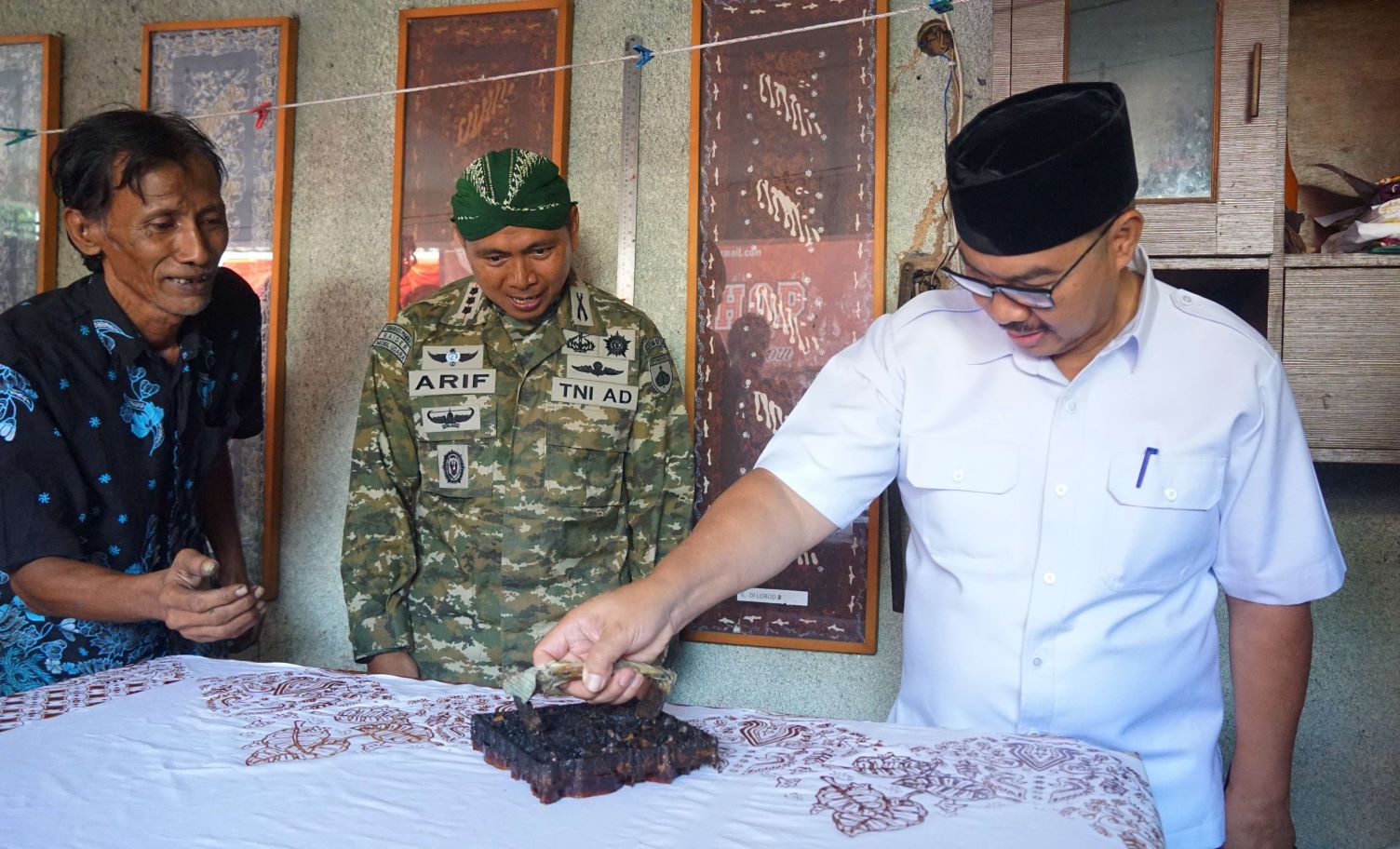
Dozens of Merah Putih Village Cooperatives (KKMP) are now operational in Yogyakarta City, managing various businesses ranging from the production of ‘Yogya Segoro Amarto Reborn’ batik for Yogyakarta City Government civil servants to the supply of basic necessities.
Despite the lack of physical outlets due to land constraints, the KKMP is actively engaged in production. The Mayor of Yogyakarta, Hasto Wardoyo, stated that the cooperative now operates eight batik stamping units and has successfully fulfilled orders for 6,500 civil servants. He noted that while there were few large-scale batik stamp artisans in the city a year ago, eight KKMPs are now producing the Segoro Amarto batik.
The cooperatives are currently preparing for a second wave of production, targeting school uniforms for approximately 65,000 students. To support this growth, the Yogyakarta City Government is preparing land for KKMP infrastructure. The Yogyakarta Sultanate has granted usage rights for approximately 3,000 square metres in the Umbulharjo area. The plan includes allocating 1,000 square metres for KKMP infrastructure, 1,000 square metres for a biofloc catfish farming system, and another 1,000 square metres for an integrated farming programme focused on fertiliser production from waste.
According to Tri Karyadi Riyanto, Head of the Yogyakarta City Industry, Cooperatives, and SMEs Office, 32 out of the 45 villages in Yogyakarta City already have active KKMPs. Their business ventures include batik production, basic commodity supply, and ‘Laku Pandai’ (branchless banking) services. They are also partnering with hotels and nutrition service units to support the ‘Free Nutritious Meal’ programme.
By operating through the cooperative, local batik artisans can manage everything from raw material procurement to marketing. Reza Murtaza, Chairman of KKMP Gunungketur, reported that his cooperative has already produced 650 pieces of Segoro Amarto batik for civil servants and is maintaining a routine production of about 40 pieces per cycle to meet ongoing demand from teachers in kindergarten through to junior high school levels.