
Mental Health Complaints Rise 27 Per Cent in Third Week of Ramadan
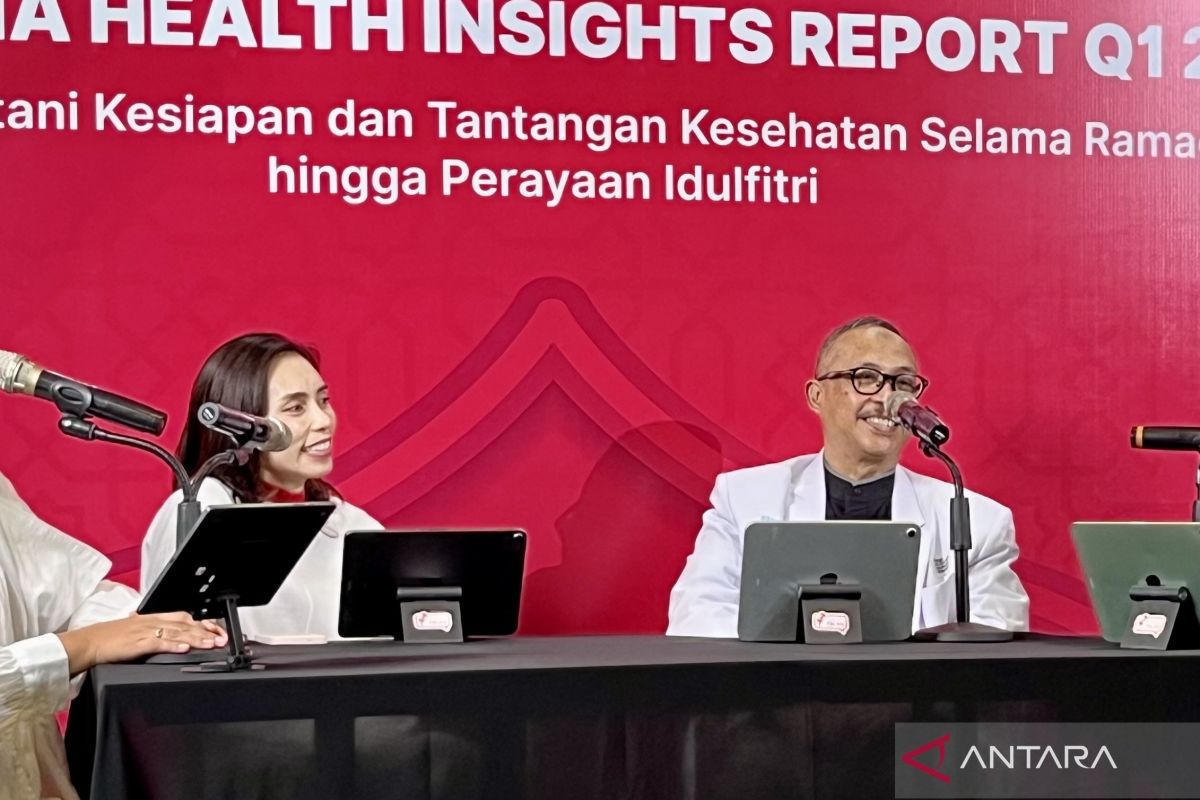
Jakarta - Data from Halodoc has documented a sharp increase in mental health complaints during the third week of Ramadan, with cases surging over 27 per cent compared to the period before fasting commenced.
Chief Marketing Officer of Halodoc, Fibriyani Elastria, stated that health complaint trends fluctuated dynamically throughout Ramadan. In the early stages of fasting, the public predominantly reported physical complaints, but upon entering the third week, mental health concerns became dominant.
“The health complaints that increase week by week relate to mental health. The peak occurs in the third week, rising more than 27 per cent compared to before Ramadan,” Fibriyani said during Halodoc Talks titled “Transitioning Safely: Managing Ramadan Health Risks During Eid Festivities” in Jakarta on Tuesday.
She explained that complaints include sleep disturbances, excessive anxiety, heart palpitations and shortness of breath. These conditions are triggered by various factors, particularly family pressures approaching Eid.
Based on Halodoc data, 58 per cent of anxiety triggers stem from family conflicts or pressure. These pressures include expectations surrounding marriage, children, financial circumstances and dynamics between family members.
On the same occasion, Dr Waluyo Dwi Cahyono, SpPD-KEMD, FINASIM, a specialist in internal medicine partnering with Halodoc, stated that stress is closely linked to physical conditions, particularly digestion.
“The hormone cortisol increases when a person experiences stress. This can trigger increased production of stomach acid and cause digestive disorders,” said the doctor, a graduate of Gadjah Mada University’s Faculty of Medicine.
To help the public recognise and address complaints early, Halodoc has introduced a digital assistant powered by artificial intelligence called Hilda, or Halodoc Intelligence Digital Assistant.
This feature helps users navigate initial complaints and determine next steps, including the need for consultation with a psychologist or psychiatrist.
Fibriyani emphasised the importance of mental health awareness as Eid approaches. She urged the public to recognise signs of anxiety and seek help immediately if complaints increasingly disrupt daily activities.