
Mendukbangga: Waste management habits should start from the family
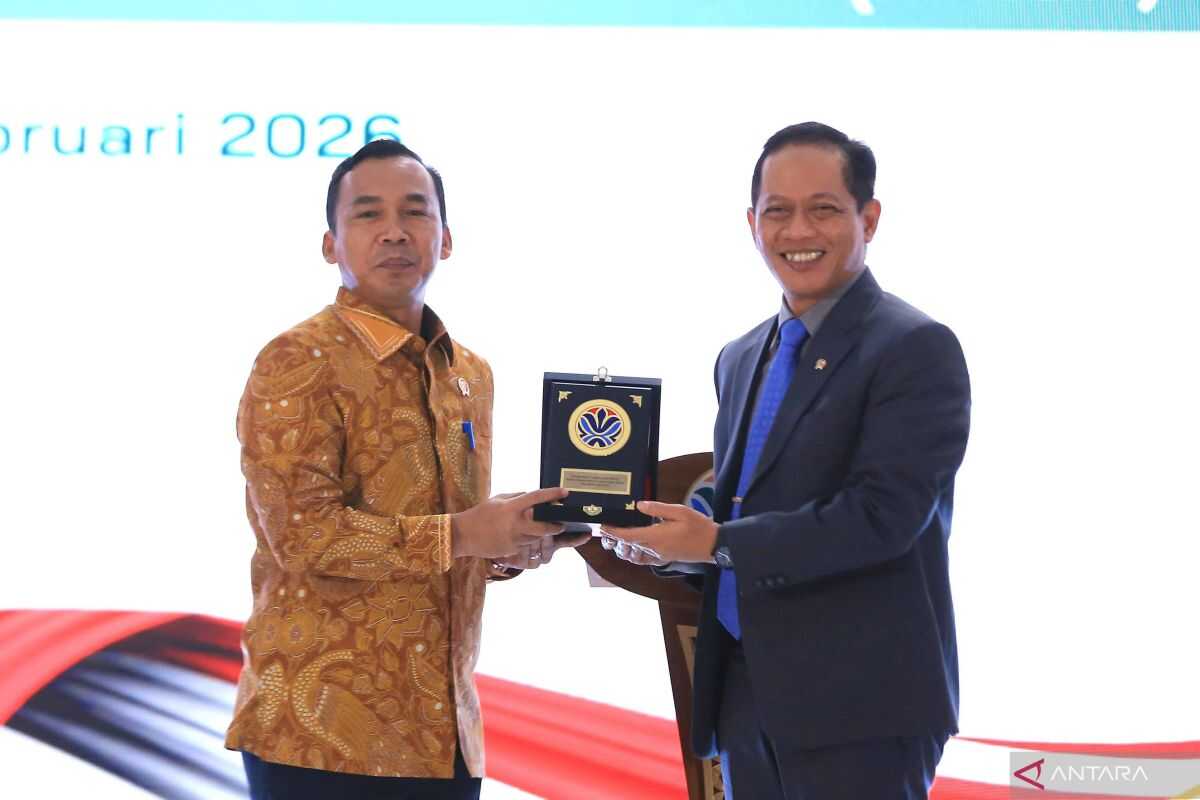
Jakarta (ANTARA) - The Minister of Population and Family Development (Mendukbangga)/Head of the National Population and Family Planning Board (BKKBN), Wihaji, has stressed the importance of instilling waste management habits within families to support the ‘Safe, Healthy, Clean, and Beautiful’ (ASRI) movement.
“By cultivating the habit of sorting, reducing, and managing waste from home, families are expected to be at the forefront of reducing waste volume while also creating an ASRI environment,” he said in Jakarta on Wednesday.
Wihaji made these remarks at the 2026 National Coordination Meeting on Waste Management, held in collaboration with the Ministry of Environment (KLH)/Environmental Protection Agency (BPLH).
“The smallest unit of a country is the family. Therefore, whatever the country’s problems, the solutions start from the family, including waste,” he said.
He added that collaboration between families and relevant ministries and stakeholders can help solve many of the waste problems, especially household waste.
“We have a workforce ready to be utilised because the task of the Ministry of Population and Family Development/BKKBN is to mobilise and change behaviour, including family behaviour in waste management,” said Wihaji.
The Ministry of Population and Family Development/BKKBN has a workforce ready to be mobilised, including 17,541 family planning extension workers, 597,909 family support cadres, and 77,281 Family Welfare Villages (Kampung KB) spread throughout Indonesia, which serve as educational and support centres at the grassroots level.
These support efforts are expected to increase household waste sorting by around 30 per cent, encourage the formation of active waste banks in Kampung KB, and create cleaner and more organised residential environments. Strengthening waste management from the source is a strategic step to reduce the burden of downstream management.
Data from the National Waste Management Information System (SIPSN) of the Ministry of Environment/Environmental Protection Agency shows that waste generation in 2025 reached 24.8 million tons, with 65.45 per cent of it unmanaged. Meanwhile, the capacity of landfills in Indonesia is expected to reach its technical limit in 2028.
“The President reminded us that we have three years from now to work hard to solve the waste problem,” said the Minister of Environment/Head of the Environmental Protection Agency, Hanif Faisol Nurofiq.
With Indonesia’s population of around 286 million people, consisting of 74 million families, the potential for behavioural change at the household level is enormous.
Interventions at the family level are also expected to have a real impact, including a reduction in waste volume to landfills by 20-30 per cent, a reduction in the risk of environment-related diseases, and increased family resilience and quality.