
Mendukbangga: Family as the Primary Key to Producing Quality Human Resources
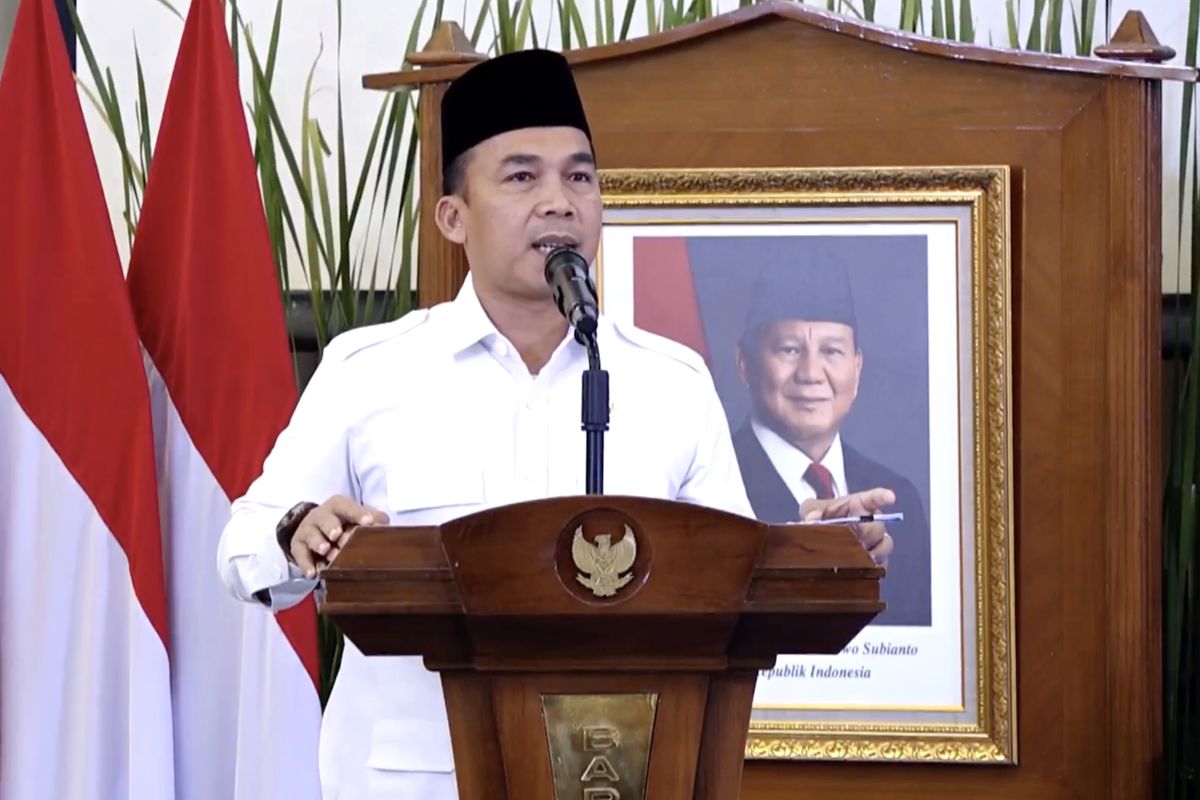
Jakarta (ANTARA) - The Minister of Population and Family Development (Mendukbangga)/Head of the National Population and Family Planning Agency (BKKBN), Wihaji, stated that the family is the primary incubator for producing quality human resources (HR). “The smallest unit in a country is the family; if we want to integrate national development going forward, it must start from the family,” he said during the Dialogue Towards Intergenerational Welfare event at the Bappenas Building in Jakarta on Monday. Based on data from the United Nations Department of Economic and Social Affairs (UN DESA), Indonesia’s population is predicted to reach its peak in 2054 at 322 million people, before beginning to decline. The period from 2020 to 2030 is considered the golden era as well as the greatest challenge, as it represents the peak of the demographic bonus. The next five years are seen as determining whether Indonesia can achieve a successful landing in 2030. Therefore, the key to winning this momentum is to focus on three pillars of human investment, encompassing the economy, health, and education. Mendukbangga records that there are 74.09 million families in Indonesia, detailed as follows: those with infants (0-23 months) numbering 3.72 million, families with toddlers (24-59 months) 10.18 million, and families with adolescents (10-24 years and unmarried) 46.73 million. Additionally, families with PUS (husband-wife pairs with the wife aged 15-49 years) number 46.3 million, and families with the elderly (60 years and above) 25.17 million. Furthermore, his side ensures that through various approaches and strategies, every phase of a person’s life, from pre-marriage to old age, will proceed well. This grand vision will be executed by the strength of 599,000 Family Companion Teams (TPK) working in the field. They directly interact with the community to change behaviours and provide real interventions, such as stunting prevention and economic empowerment. “These are the frontline workers who today are driving and changing behaviours, including those related to human resource investment,” Wihaji explained.