
Mendiktisaintek: Educational Staff Play Crucial Role in Realising Quality Campuses
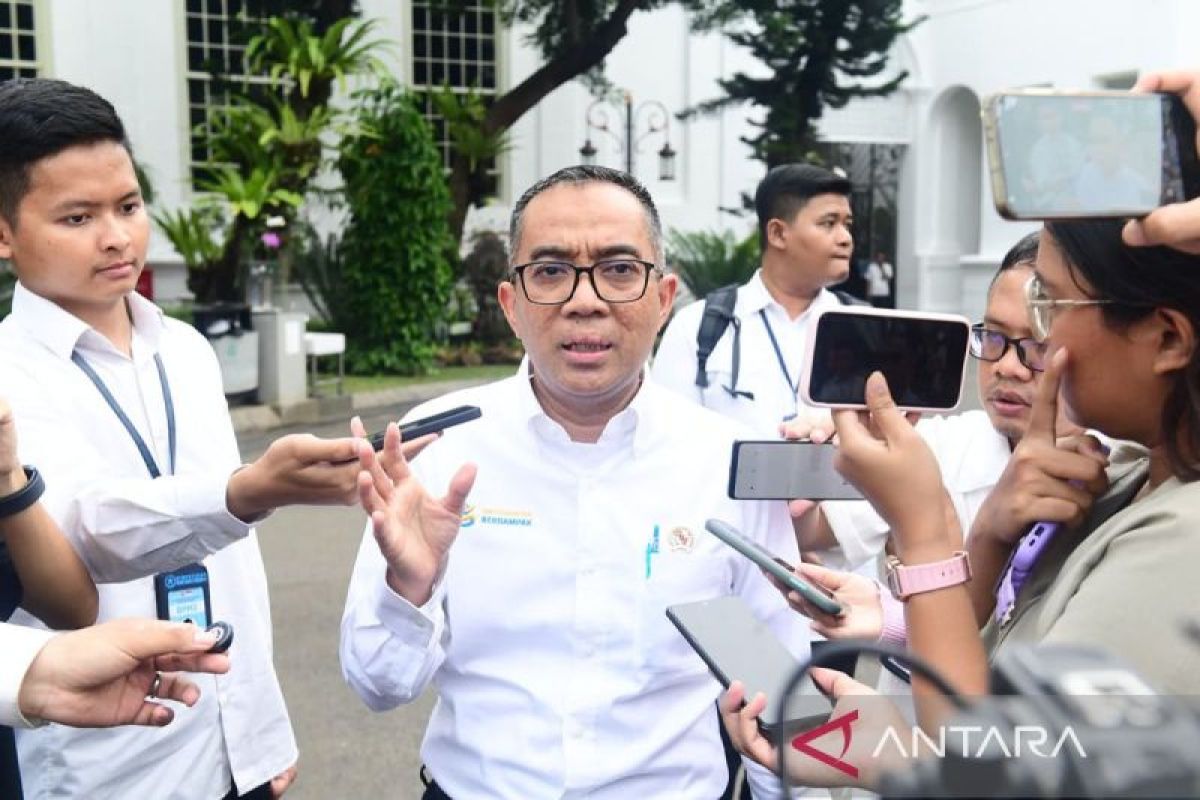
Jakarta (ANTARA) - The Minister of Higher Education, Science, and Technology (Mendiktisaintek), Brian Yuliarto, stated that the role of educational support staff (tendik) is a crucial element in supporting the overall quality of the higher education system. “The quality of services, the smoothness of the system, and the strength of governance in higher education institutions greatly depend on the role of all of you. Without the support of professional and adaptable educational support staff, it will be difficult for us to deliver truly high-quality higher education,” he said in a statement in Jakarta on Friday. The Minister of Higher Education, Science, and Technology also emphasised that the current transformation in higher education demands a more adaptive way of working in response to technological developments and increasingly rapid service needs. According to Brian, this encourages the function of tendik to go beyond administrative roles, but also to become the locomotive for system improvements. Therefore, the Ministry of Higher Education, Science, and Technology (Kemdiktisaintek) through the Directorate General of Higher Education (Ditjen Dikti) is organising the Workshop-Benchmarking Programme for Impactful Tendik in 2026 on 6-10 April 2026, as an effort to strengthen the capacity and professionalism of tendik in public and private higher education institutions (PTN/PTS). Furthermore, the Director General of Higher Education of the Ministry of Higher Education, Science, and Technology, Khairul Munadi, conveyed that the Impactful Tendik Programme is a strategic step to strengthen the competencies and readiness of educational support staff in facing development dynamics. It is known that this event is attended by 385 selected participants from PTN/PTS under the Ministry of Higher Education, Science, and Technology who have undergone a digital module learning process and selection, with representation from various fields of educational support staff. The programme targets various strategic roles in the higher education ecosystem, ranging from educational laboratory technicians, librarians, public relations officers, Human Resources (HR) analysts, policy analysts, archivists, to computer technicians. The participants are expected to become agents of change in their respective institutions and to drive sustainable improvements in the quality of higher education services. With strong system support and adaptive human resources, higher education institutions are expected to be able to make real contributions to national development.