
Mendes Ensures Kopdes Will Not Undermine Local Village Businesses
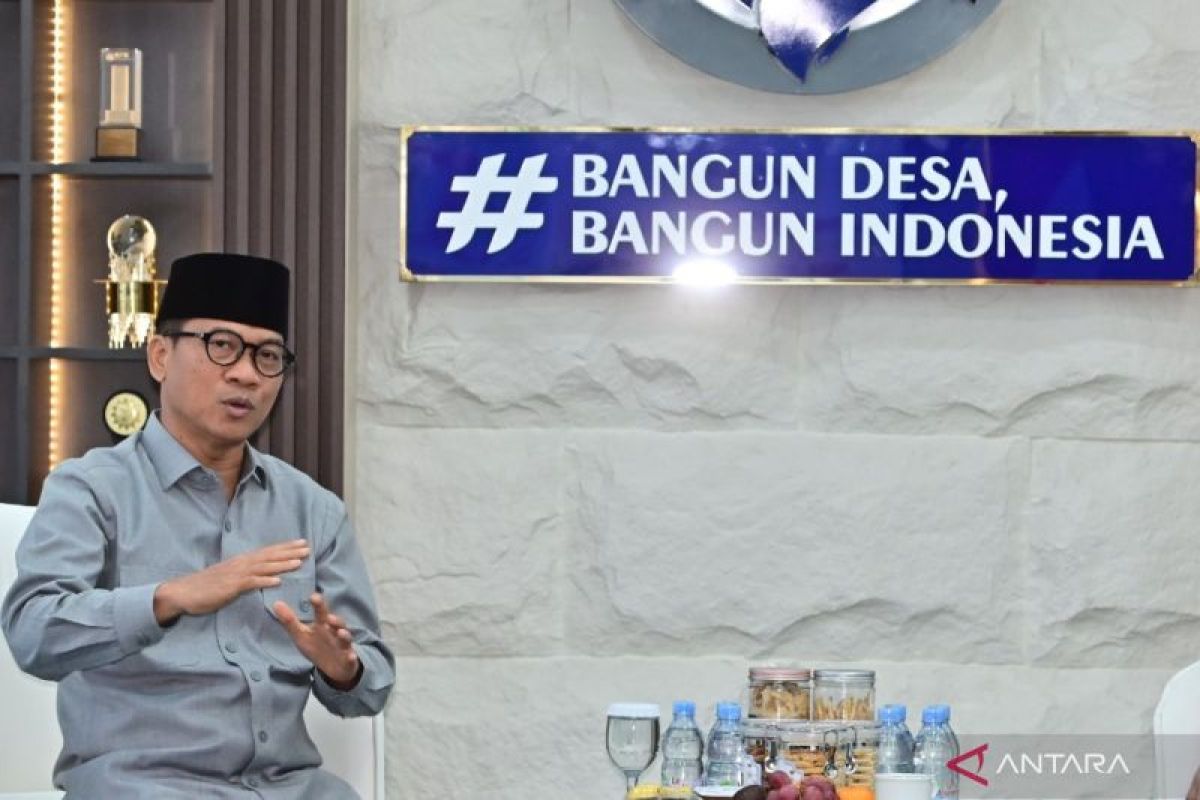
Jakarta (ANTARA) - The Minister of Village, Disadvantaged Regions Development (Mendes PDT), Yandri Susanto, said the presence of Koperasi Desa (Kopdes) will not extinguish other enterprises already owned by village communities.
“Take Serang, Banten as an example, where there are concerns Kopdes would undermine warungs (small shops). For this, we already have a concept: the prices offered at Kopdes are the same as at warungs. For instance, gas is Rp16,000, at Kopdes Rp16,000, and at the warung it is also the same. The warung can buy from Kopdes, meaning the community can choose to shop at the warung or at Kopdes,” he said during a working meeting with Commission V of the Indonesian House of Representatives, monitored online in Jakarta, on Wednesday.
“The village economy is the activity; until now, economic policy has not reached villages fairly (this will be corrected through Kopdes). The direction will be savings and loans with a 6 percent interest rate; whereas moneylenders can charge 24-30 percent,” he said.
Yandri said Kopdes is now building outlets and warehouses under the Task Force on Cooperatives (Satgas Koperasi), where all government programmes will be integrated, including social assistance for the Family Hope Programme (PKH), up to paying electricity bills.
“At Kopdes there will be margins, so there is profit,” Yandri said.
If Kopdes is handed over to the village with the appropriate specifications, it will be registered as a village asset, so village-level enterprises will never be disadvantaged.
“Village funds are never cut at the central level, but returned to the village units; 20 percent of the profits will become Pendapatan Asli Desa (Village Original Revenue) in accordance with Presidential Instruction (Inpres) No. 17, while the remaining 80 percent goes back to the village. So, this will be a government instrument to promote economic equity,” he said.