
Memory Chip Crisis Unabated, Predicted to Persist Until 2030
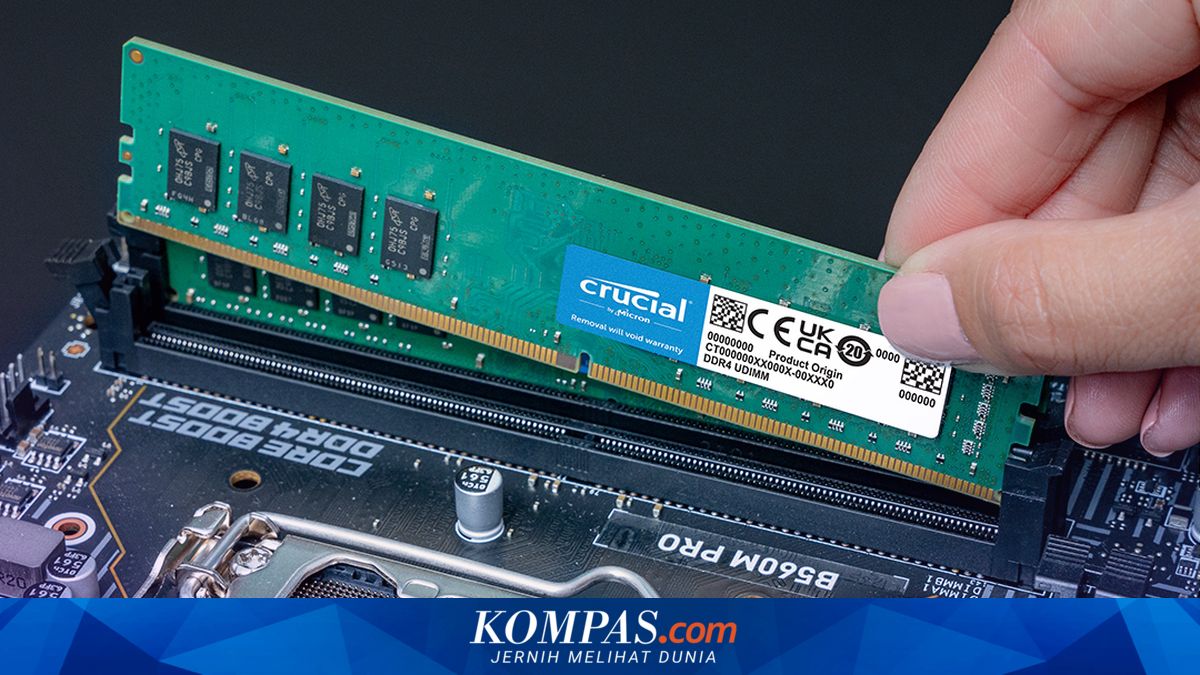
The global memory chip crisis is predicted to persist in the near term. SK Group Chairman Chey Tae-won estimates that the shortage will last until around 2030. At the Nvidia GTC conference in San Jose this week, Chey stated that the current wafer supply in the industry is lagging more than 20% behind demand. Although manufacturers are increasing capacity, market needs are deemed unlikely to be fully met in the next four to five years. Wafers are thin silicon discs that form the basis for producing semiconductor chips, including memory types like DRAM and NAND. Various electronic components are produced from these wafers before being cut into small chips. According to Chey, securing additional wafers requires a long time, making it difficult to resolve the supply-demand imbalance quickly. Major producers such as SK Hynix, Samsung Electronics, and Micron Technology have focused in recent years on producing high-bandwidth memory (HBM) for AI infrastructure. As a result, conventional DRAM production has decreased, triggering price surges in various consumer electronic devices, including smartphones and PCs. Chey also warns that excessive focus on HBM could lead to shortages of standard DRAM, which is widely used in everyday devices. Currently, SK Hynix holds about 57% of the global HBM market and 32% of the DRAM market. The company is also building an HBM packaging and testing facility worth 13 billion US dollars (approximately Rp 221 trillion) in the Cheongju complex, South Korea, targeted for completion by the end of 2027. Meanwhile, Samsung is expanding DRAM production capacity in Pyeongtaek with a new facility projected to start operating in 2028. Micron is preparing an HBM facility worth 9.6 billion US dollars (approximately Rp 163 trillion) in Hiroshima, Japan, with initial production expected to begin in the same year. Most new industry investments are currently focused on HBM production lines because they offer higher profit margins compared to conventional DRAM. This increase is expected to drive PC prices up by around 17% annually. Additionally, device usage cycles will lengthen, with PC lifespans predicted to rise by 15% for business users and 20% for consumers. Gartner also estimates that global PC shipments will drop 10.4% and smartphones 8.4% in 2026 compared to the previous year.