
Member of the Indonesian House of Representatives urges PMII cadres to step up attention to adolescent mental health
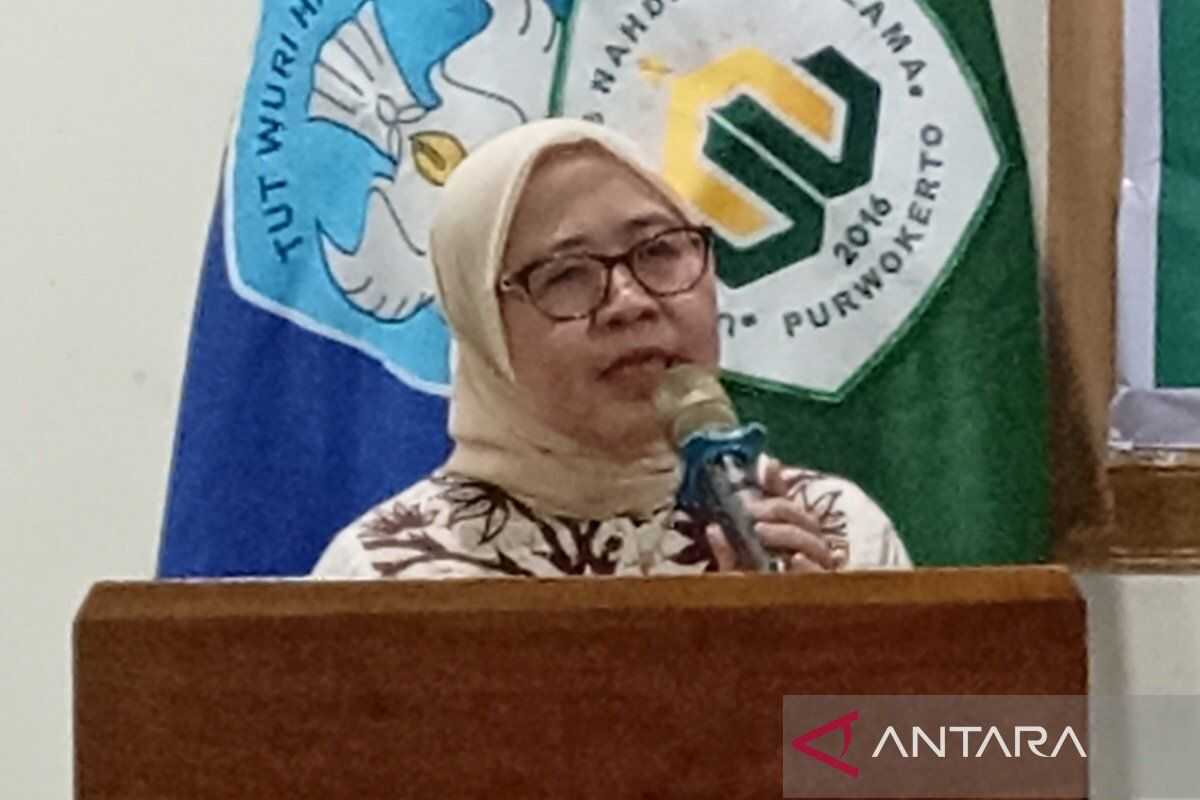
Purwokerto — ANTARA
Member of Commission VII of the Indonesian House of Representatives, Siti Mukaromah, has urged cadres of the Pergerakan Mahasiswa Islam Indonesia (PMII) to increase their awareness of teenage mental health issues, seen as increasingly worrying and requiring shared attention.
“The issue of mental health among children and adolescents today is extremely serious and important. It cannot be regarded as normal,” said Siti Mukaromah after opening the XL PMII Purwokerto Branch Conference at the Nahdlatul Ulama Branch Administration Building (PCNU) of Banyumas Regency, Central Java, on Wednesday evening.
She said that unstable national and international conditions also affect the psychological well-being of the younger generation. Therefore, she added, students as part of the intellectual and social movement must be sensitive to these dynamics.
Based on data, she said, in the last year there were 115 cases of child suicide in Indonesia, the majority of which occurred among children under 15. She described the figure as a hard alarm for all elements of the nation.
“Many of the causes range from broken homes, social and economic problems, to education, bullying and violence. These children often feel alone and have nowhere to tell their story,” said the woman known as Erma.
She stressed that all components of society, including student organisations such as PMII, must play an active role. In relation to this, she urged the conference to be used to formulate concrete agendas, including the formation of volunteers or peer supporters who care about mental health issues in campus and community environments.
“We hope PMII Purwokerto can nurture volunteers who are ready to assist in supporting children and adolescents. They can also be mentored by psychologists to ensure appropriate handling,” she said.
She argued that experiences show many children who initially faced bullying or heavy pressure can recover when they receive appropriate guidance and support. In this context, she said, the real turning point is realising they are not alone.
Moreover, she emphasised that strengthening the mental resilience of the younger generation is a vital foundation for realising a Golden Generation 2045 that is resilient, competitive, and ready to lead the nation in various sectors.
“If their minds are strong, they will not easily lose heart. They can rise up, and even help peers going through similar experiences. This is what we expect from PMII cadres,” Erma concluded.