
Member of DPR Commission VII warns of Middle East conflict's impact on SMEs
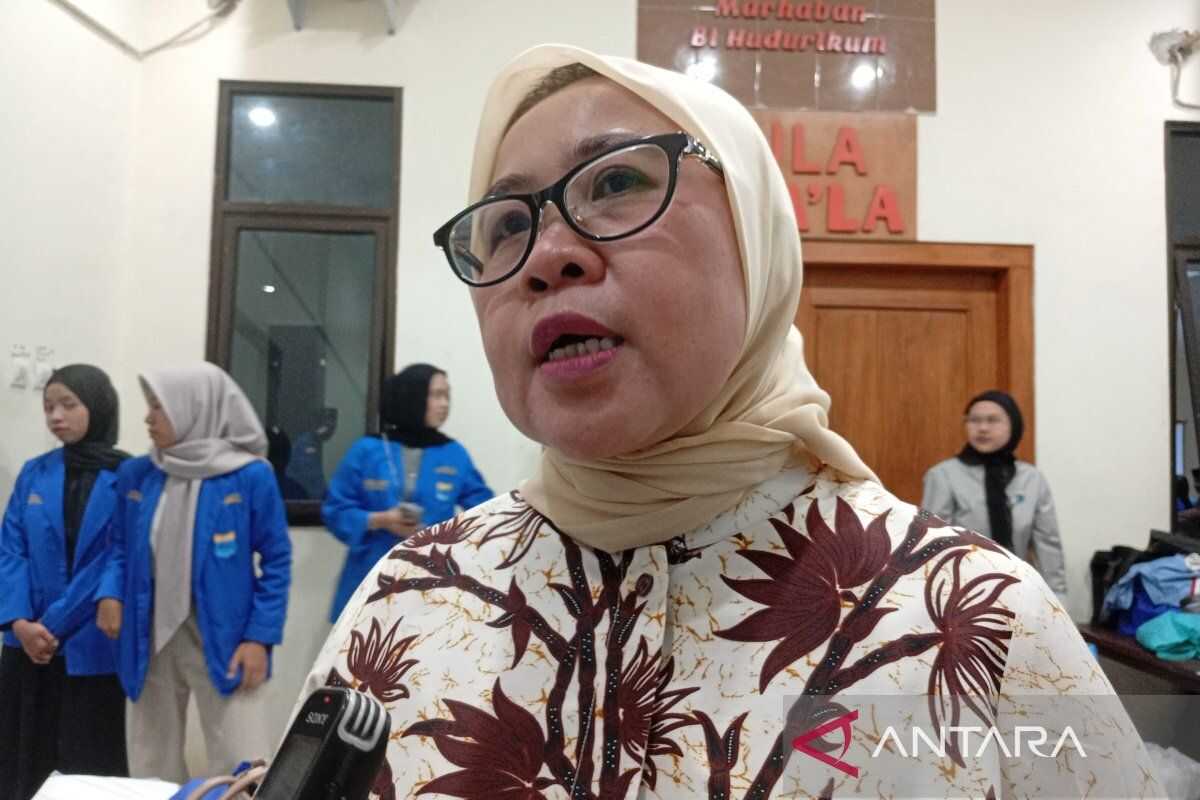
Purwokerto (ANTARA) – Member of Commission VII of the Indonesian House of Representatives, Siti Mukaromah, has urged micro, small and medium enterprises (MSMEs) to be vigilant about the potential impact of the Middle East conflict, which could trigger higher inflation and fluctuations in the prices of imported raw materials. ‘The conflict in the Middle East will, of course, have a significant influence on economic development. Inflation is certain to rise further. One of the groups affected is SMEs, because many still depend on imported raw materials and their prices follow the ups and downs of the dollar,’ she said in Purwokerto, Banyumas Regency, Central Java, on Wednesday evening. She noted that global geopolitical tensions not only affect macroeconomic sectors but are also felt directly by small business operators in the region. She explained that dependence on imported raw materials makes SMEs highly sensitive to changes in the rupiah’s exchange rate against the US dollar. The legislator, familiarly known as Erma, cited examples of SMEs in the culinary sector such as bakers and processed-food producers, whose inputs are partly sourced from abroad. When input prices rise due to distribution disruptions or a weakening exchange rate, production costs rise, squeezing profit margins. ‘There is not yet a concrete formula, but we must convey to SME operators to be cautious. Do not buy raw materials at old prices, and when selling your products not have enough to buy new materials at higher prices,’ she said. The lawmaker representing the electoral district of Central Java VIII (Banyumas and Cilacap) added that she has discussed with several stakeholders concerned with SME development to address the impact of the global situation. While no specific policy has been formulated yet, she believes mitigation steps should be prepared early to prevent the impact from spreading. She also advised SMEs not to be overly aggressive in expanding businesses amid global uncertainty, suggesting gradual development while considering capital stability and consumer purchasing power. In addition to the SME sector, she also mentioned the impact of the conflict on Umrah travel due to disruptions to several flight routes in the Middle East. ‘This situation should be anticipated ahead of the Hajj season after Ramadan. We hope the global situation improves soon so that economic stability can be maintained and everyday activities, including SMEs, can return to normal without prolonged pressure,’ Erma said.