
Melting Glaciers and Shifting Himalayan River Paths Threaten 2 Billion People
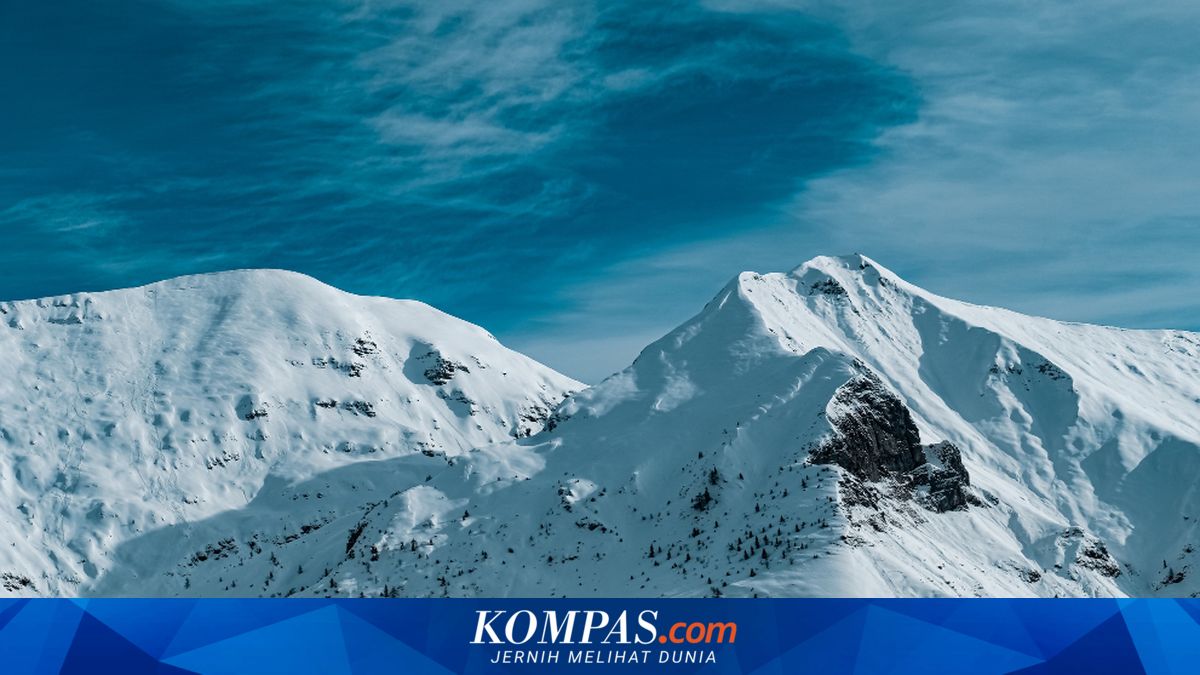
The Himalayas play a far greater role than merely being the world’s highest peaks. This icy catchment area acts as a giant reservoir storing and distributing water to some of Asia’s most important rivers, sustaining nearly 2 billion people from mountain valleys to densely populated plains. However, a recent study published in the prestigious scientific journal Science on 14 May 2026 brings alarming news. The region’s massive frozen water storage system is becoming increasingly unstable due to global warming. This has led to accelerated glacier melt and thawing permafrost, making river flows highly unpredictable while doubling risks of flash floods, erosion, and severe damage to roads, bridges, farmland, and riverside communities. Since the 1980s, temperatures in the Himalayas have risen almost twice as fast as the global average. Extreme warming has fundamentally altered how water and sediment move across the mountains. Abundant glacial meltwater exerts greater force on river currents, while rising temperatures soften frozen ground along riverbanks, weakening their natural structure and making them prone to collapse, unable to maintain the river’s course. To measure the extent of this damage, Professor Chengshan Wang and Dr Zhongpeng Han from China University of Geosciences in Beijing collaborated with Dr Lin Zhipeng from Sichuan University. They tracked changes in three major river basins in the Himalayas over a 40-year period. ‘The high Himalayas stand out as a region where climate warming and river channel migration interact very strongly,’ explained Dr Han regarding the study’s location choice. The research team observed 1,079 river bends along 1,582 kilometres of river course flowing through frozen ground areas. Most of these bends can move freely without being hindered by surrounding hard rock formations. Researchers measured how far the river bends had shifted and recorded other natural phenomena such as: