
Mega Project of the Giant Sea Wall and the Gamble for Java's Future
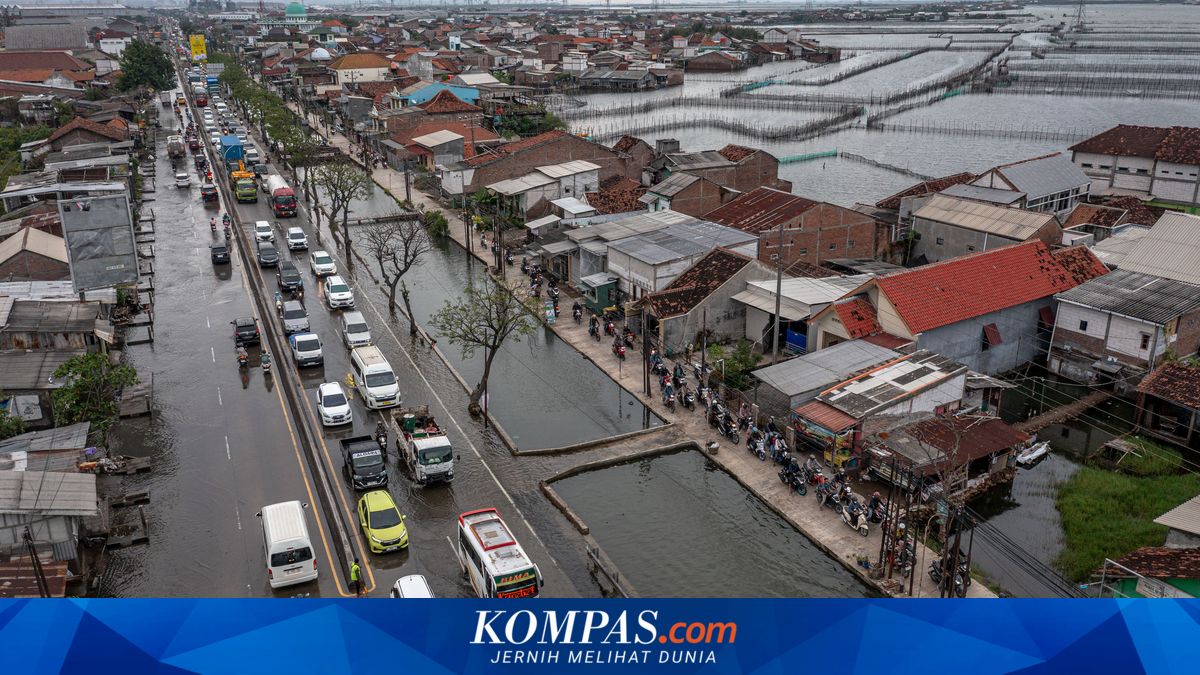
The landscape of Java’s northern coast has become the front line of an extraordinarily costly existential gamble. With land subsidence reaching 10-25 centimetres per year at critical points such as Jakarta and Semarang, coupled with global sea-level rise driven by the climate crisis, Indonesia faces the threat of its own economic powerhouse submerging. The government’s response to this creeping ecological doomsday is the Giant Sea Wall (GSW) megaproyek, an infrastructure initiative whose ambition surpasses conventional development logic. The plan for this maritime fortress has evolved from mere protection of Jakarta Bay through the National Capital Integrated Coastal Development (NCICD) scheme into a national megaproyek stretching 500 km to 946 km from Banten to East Java. With an estimated budget of $80 billion or equivalent to over Rp 1,300 trillion, the GSW project stands as the most expensive infrastructure monument in Indonesian history, even surpassing the cost of building the Nusantara Capital City (IKN). That staggering figure encompasses the construction of an outer sea wall in deep waters, giant water gates, massive pumping systems, and the development of new economic zones on planned reclaimed land resembling the Garuda bird. However, behind the narrative of coastal salvation lies a highly complex and high-risk economic development reality. Along this corridor, there are 70 industrial zones, 196 ports, and other strategic assets that underpin Indonesia’s competitiveness in the global market. Without measured and significant physical intervention, the potential permanent economic loss due to seawater flooding is estimated to reach a terrifying $1.86 trillion. To manage the colossal scale of this project, President Prabowo Subianto has inaugurated the establishment of the North Java Coast Management Authority (Badan Otorita Pantura), led by Didit Herdiawan Ashaf. This institution is given a special mandate to integrate previously fragmented planning and to spearhead the attraction of bankable foreign investment. The structure of this body reflects the government’s primary priorities, with one Deputy Chairman seat occupied by a representative from Danantara (the Future Indonesia Investment Management Agency) to secure funding aspects, while other seats represent the Ministry of Home Affairs to ensure seamless cross-provincial coordination without convoluted bureaucracy. The fundamental question is where the $80 billion will come from without causing the State Revenue and Expenditure Budget (APBN) to “burst”? Economists warn that if this project is forced entirely with public funds, Indonesia risks budget deficit swelling and an unsustainable surge in debt ratios.