
Medical Cannabis Proved Ineffective in Treating Mental Health Disorders
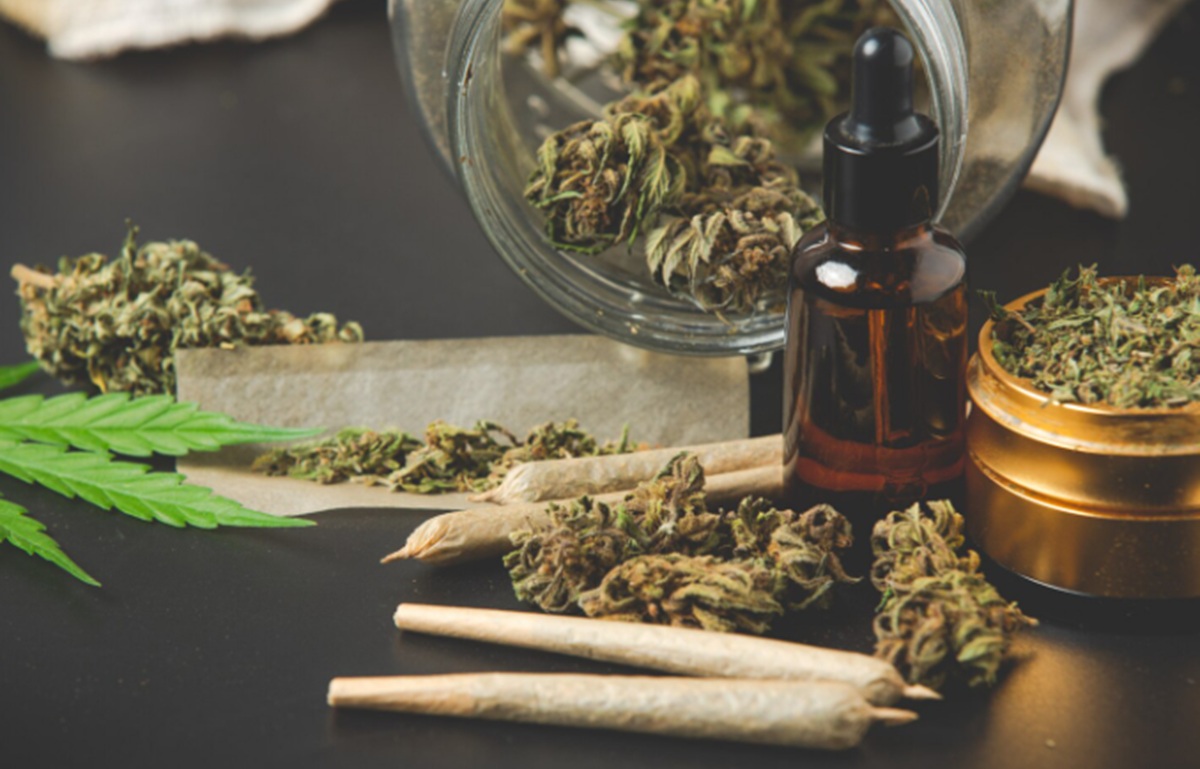
The use of cannabis, whether for medical or recreational purposes, is frequently claimed to alleviate symptoms of mental health disorders. However, two recent analyses of gold-standard research have produced disappointing results, showing that cannabis does not work to address these conditions.
A report published in The Lancet Psychiatry recently analysed results from 54 randomised controlled trials published between 1980 and 2025. The findings revealed a lack of strong evidence that cannabis can serve as a treatment for common mental disorders.
Jack Wilson, a researcher at the Matilda Centre for Research in Mental Health and Substance Use at the University of Sydney, confirmed three main reasons people use medical cannabis are unsupported by scientific data.
“We found no evidence that any form of cannabis is effective in treating anxiety, depression, or post-traumatic stress disorder (PTSD), which are the three main reasons why cannabis is prescribed,” said Wilson.
The study also noted that cannabis use did not improve conditions such as anorexia nervosa, bipolar disorder, obsessive-compulsive disorder (OCD), or psychotic disorders such as schizophrenia.
Despite minimal evidence of its effectiveness, the use of cannabis for mental health continues to increase. Data shows that approximately 27% of people in the United States and Canada use cannabis for medical purposes, with roughly half aiming to manage mental health.
Dr Deepak Cyril D’Souza, a psychiatry expert from Yale University, added that although many US states have approved medical cannabis for mental health disorders, supporting evidence remains absent. “Both papers make it clear that there is no evidence to recommend the use of cannabis or its derivatives to treat mental health,” D’Souza stated firmly.
One of the main concerns among experts is the increase in levels of delta-9-tetrahydrocannabinol (THC), the substance that triggers euphoric effects. In the 1970s, THC content in cannabis was only approximately 4%, but it now averages 18% to 20%, with some concentrated forms reaching 80%.
This high THC content increases the risk of addiction and serious disorders. Heavy use in adolescents and young adults with mood disorders has been linked to increased risk of self-harm and suicide attempts.
D’Souza warned, “If you are a daily user of high-potency cannabis, you may be six times more likely to experience psychotic disorders such as schizophrenia or bipolar disorder compared to someone who has never used cannabis.”
Rather than turning to unproven cannabis, experts recommend clinically proven methods. The use of medications such as selective serotonin reuptake inhibitors (SSRIs) and psychotherapy such as cognitive behavioural therapy (CBT) remain the primary standard in safely and effectively treating depression and anxiety.