
Mediator Reveals Details of US-Iran Negotiations, Will it Lead to War?
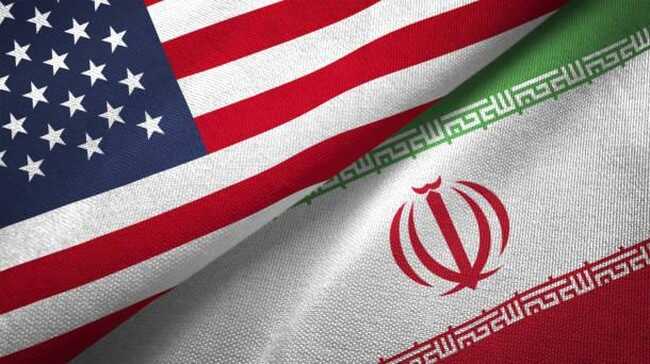
Mediator Reveals Details of US-Iran Negotiations, Will it Lead to War?
Jakarta, CNBC Indonesia - A mediator from Oman has finally spoken about the outcome of the high-level meeting between the United States and Iran, which took place in Geneva, Switzerland. This statement comes amid heightened tensions in the Middle East and a massive military build-up by Washington in the region, raising fears of an open war.
Oman’s Foreign Minister, Sayyid Badr Albusaidi, revealed the current state of the dialogue involving President Donald Trump’s envoy and the Tehran delegation. In his official statement, Albusaidi confirmed that both sides had completed a series of discussions that took place from morning to afternoon with very intense dynamics.
“We have completed today after significant progress in negotiations between the United States and Iran,” Albusaidi said in a post on social media X after the meeting ended on Thursday (February 26, 2026) local time, as quoted by Reuters.
According to the mediator, the meeting has produced a clearer framework for communication than before. Albusaidi said that the US and Iran have exchanged constructive ideas to resolve the nuclear impasse that has lasted for decades.
“Both sides have exchanged creative and positive ideas during the talks,” Albusaidi added, describing the atmosphere in the negotiating room.
Although Albusaidi gave an optimistic assessment, he did not provide certainty as to whether the major obstacles to reaching a final agreement had been fully resolved. However, he assured that communication would not stop in Geneva and would soon continue to a more specific technical phase next week in Vienna.
A similar statement also came from Iranian Foreign Minister Abbas Araqchi, who spoke to Iranian state television. Araqchi acknowledged that although there were points of agreement, the path to a complete agreement still faces challenges on several crucial issues that are still being debated by both countries.
“We have reached an agreement on some issues, and there are differences on other issues. It was decided that the next round of negotiations will take place soon, within less than a week,” Araqchi said, explaining the results of the meeting.
Araqchi stressed that Iran’s position remains consistent, especially regarding the demand for the lifting of economic sanctions that are strangling Tehran. He said that the flexibility shown by Iran remains based on the recognition of their nuclear rights, while Washington continues to demand deep concessions before sanctions can be lifted.
“The Iranian side has made it clear about our demands for the lifting of US sanctions,” Araqchi said regarding the substance of the talks in Geneva.
On the other hand, President Donald Trump continues to exert high pressure by setting a short deadline for Iran to comply with a new agreement. On several occasions, Trump warned of military consequences if this diplomatic path reaches a dead end.
“Iran must make a deal in the next 10 to 15 days, or very bad things will happen,” Trump said in a statement on February 19.
Despite the threat of military attack, Iranian President Masoud Pezeshkian tried to ease the situation by referring to the religious rules in force in his country. He emphasized that Iran’s nuclear program is not intended for military purposes in accordance with the direction of their supreme leader.
“The Supreme Leader Ayatollah Ali Khamenei has banned weapons of mass destruction, which clearly means that Tehran will not develop nuclear weapons,” Pezeshkian said on Thursday.