
Media: Royal Navy Prepared to Lead Coalition to Reopen Strait of Hormuz
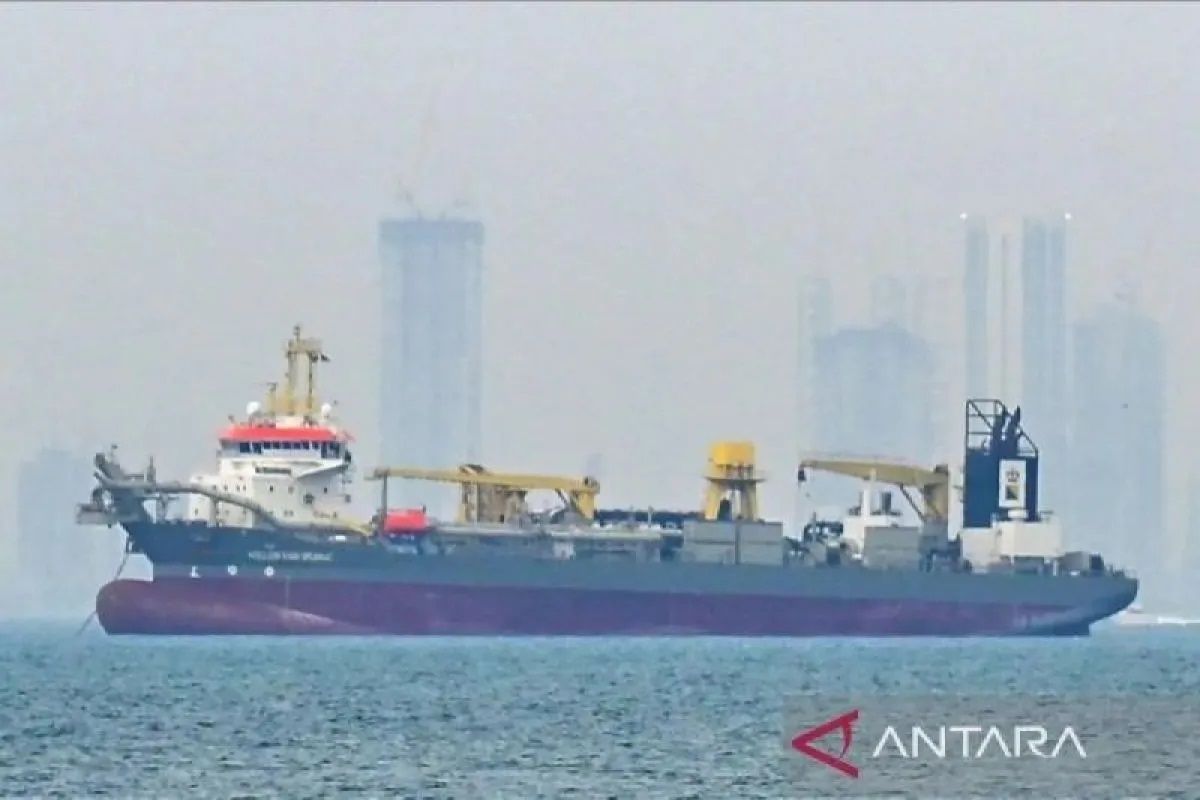
Brussels (ANTARA) - The Royal Navy is preparing to take a leading role in a potential coalition operation to reopen the Strait of Hormuz, according to a report in The Times on Tuesday (24/3). The report states that British defence officials are considering plans to deploy Royal Navy vessels or chartered commercial ships to serve as "mother ships" for autonomous unmanned systems designed to detect and neutralise sea mines in the strategic waterway. This initiative would form part of a broader multinational effort involving allies, including the US and France, to ensure safe passage for commercial shipping through the strait, one of the world's most important transit routes. Officials quoted by The Times said the operation could proceed in several phases. The initial phase would focus on mine-hunting using advanced autonomous systems launched from the mother ship. The second phase could involve deploying unmanned surface vessels alongside Royal Navy Type 45 destroyers, or just the destroyers, to protect tankers transiting the area. "We have world-leading capabilities in autonomous mine-hunting, as well as fantastic destroyer capabilities with our Type 45s, and also the development of hybrid naval concepts, which give us the opportunity to avoid endangering people in order to secure the strait," one official said. Those British defence officials believe that sea mines have been planted in the strait, although there is still a "clear lane" because ships from India, Pakistan, and China continue to pass through the waterway. Regional escalation in the Middle East has continued since the US and Israel launched a joint attack on Iran on 28 February, which has so far killed more than 1,340 people, including Iran's then-supreme leader, Ali Khamenei. Iran has retaliated with repeated drone and missile strikes targeting Israel and Gulf states hosting US military assets. The Strait of Hormuz has also been effectively impeded since early March. Around 20 million barrels of oil typically pass through the strait each day, and the disruption has increased shipping costs and driven up global oil prices. Source: Anadolu