
Measuring LNG with Precision to Safeguard Market Confidence
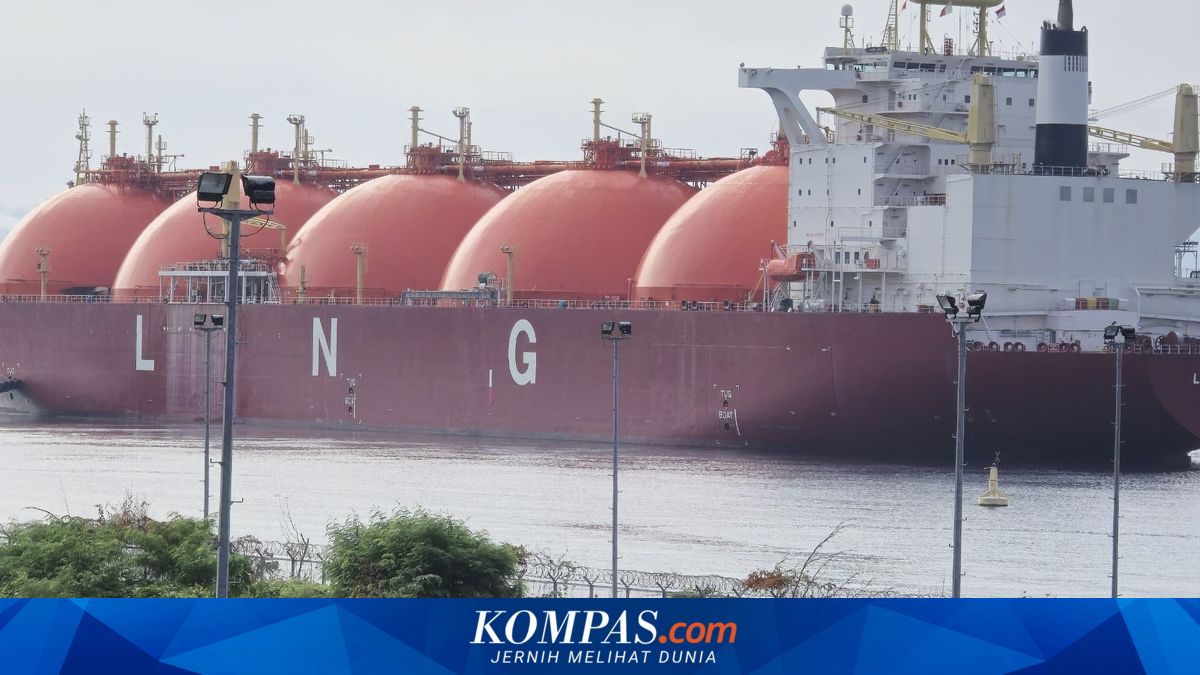
Behind large-value LNG transactions lies laboratory testing processes that determine the accuracy of gas quality and energy content. A minor error in measurement can affect transaction value and have a direct financial impact. Therefore, the reliability of LNG testing laboratories is viewed as a crucial part of sustaining energy market confidence. The accuracy of analytical results not only determines LNG quality but also forms the basis for transferring quantities and quality of gas. Laboratory Supervisor at PT Donggi-Senoro LNG (DSLNG), Mohd Taufiq, said that reliable laboratory data is a prerequisite for creating reliable LNG transactions. He made the statement at IPA Convex 2026 in BSD on Wednesday, 20 May 2026. “Reliable laboratory data is essential for realising reliable LNG transactions,” Taufiq said. “Why is accuracy so important in the LNG industry? The answer is one: it has a direct financial impact,” he added. “Even small measurement errors can lead to significant financial consequences,” he said. Therefore, maintaining LNG testing accuracy is not solely dependent on the instruments but also on the laboratory’s management system. Taufiq noted that there are various challenges in maintaining the reliability of LNG test results, ranging from LNG complexity, the sensitivity of component measurements, to the stability of the gas chromatograph’s performance used. Additionally, laboratories must maintain gas calibration, evaluate measurement implementation, and conduct regular verifications to ensure testing results remain accurate. DSLNG is an LNG production company in Indonesia. Its processing plant is located in Banggai Regency, Central Sulawesi Province. “For us, ISO 17025 accreditation in 2017 is equivalent to customers’ trust in laboratory results,” he said. Taufiq explained that ISO 17025 is an international standard that governs the requirements for the competence of testing and calibration laboratories. The standard covers two main pillars: the management system and the technical system. On the laboratory side, the standard helps implement good governance, reduce management risk, and enhance laboratory confidence in the test results produced. Taufiq said the Donggi-Senoro LNG laboratory last received an accreditation certificate on 21 April 2025, valid until 21 April 2030. Previously, the laboratory had been accredited since April 2020. “During that five-year period, surveillance audits were conducted by the National Accreditation Committee,” he said. “In April 2025, we reaccredited our accreditation status and again achieved ISO 17025 accreditation until 2030,” Taufiq added.