
Measles Transmission Risk During Eid Holidays; Unika Atma Jaya Faculty Lecturer Warns of Importance of Vigilance and Prevention
Increased population mobility during holiday seasons can heighten the risk of transmissible disease spread, particularly measles. Intense interaction through social visits and inter-regional travel facilitates virus transmission, especially among individuals lacking immunity to the disease.
According to Dr. Regina Satya Wiraharja, M.Sc., Lecturer in the Primary Healthcare Family Medicine Specialisation Programme at Unika Atma Jaya, measles cases continue to be detected in Indonesia and warrant public attention. In 2025, approximately 11,094 laboratory-confirmed measles cases were recorded with 69 deaths, representing a case fatality rate of around 0.1 per cent. By week seven of 2026, 572 cases with 4 deaths had already been documented. Additionally, 13 regions reported increases in measles cases.
Dr. Regina explained that measles is a highly contagious infectious disease caused by an RNA virus of the genus Morbilivirus within the family Paramyxoviridae, which attacks the respiratory tract. “Measles transmission occurs through droplets—saliva or nasal secretions from infected individuals dispersed in the air via respiration, coughing, or sneezing, which can be inhaled by others,” she stated.
Once inside the body, the virus multiplies and spreads through the lymphatic system, spleen, liver, and respiratory tract. Measles incubation typically lasts 8 to 14 days.
Measles symptoms emerge in stages. The initial phase, lasting approximately 2–7 days, typically presents with high fever, weakness, rhinorrhoea, cough, and red eyes sensitive to light. In some cases, characteristic spots inside the cheeks, known as Koplik spots, may appear.
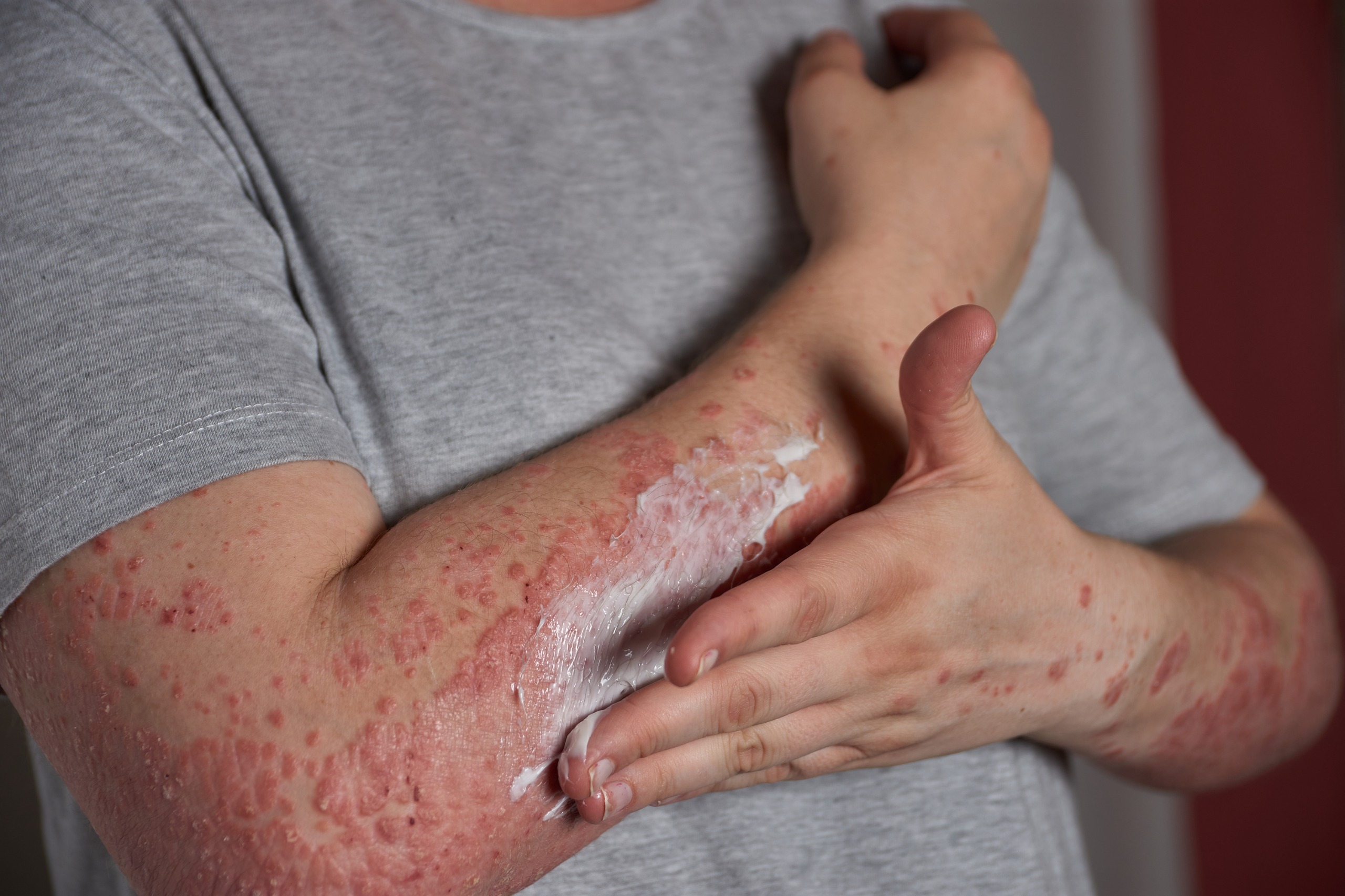
The rash stage usually manifests around days 4–14, with reddish rashes initially visible on the ears or face, then spreading across the body, lasting approximately 6–7 days, often accompanied by high fever. During the recovery phase, fever typically subsides within 3–4 days, whilst the rash becomes brownish and gradually disappears within 7–10 days.
Although many measles cases resolve spontaneously, the disease warrants vigilance as it can cause serious complications including pneumonia, diarrhoea, dehydration, middle ear infection, and encephalitis. Complication risks are higher in infants, immunocompromised individuals, and those with malnutrition or vitamin A deficiency.
In pregnant women, measles infection can increase the risk of pregnancy complications such as premature delivery, low birthweight infants, and miscarriage. Consequently, Dr. Regina emphasised the importance of preventive measures to reduce measles transmission risk, particularly during holiday periods when social interaction intensifies.
“Measles or MMR vaccination is the most effective means of preventing this disease. In children, the vaccine is administered three times: at 9 months of age, 2 years, and 5–6 years,” she stated.
Beyond vaccination, the public is advised to maintain hand hygiene through handwashing with soap or hand sanitiser, practise respiratory etiquette when coughing and sneezing, and use masks, particularly when experiencing respiratory infection symptoms.
She also emphasised the importance of maintaining balanced nutritional intake, including adequate vitamin A, which plays a role in maintaining respiratory tissue health and supporting immune function.
Should anyone exhibit symptoms suggestive of measles, Dr. Regina recommended immediate consultation with healthcare facilities and limiting contact with others to prevent further transmission.
With increased population mobility during holiday periods, vigilance against transmissible diseases such as measles remains essential, enabling communities to celebrate together safely and healthily.
The South Sulawesi Health Office has documented serious risks of measles spread in Makassar city throughout 2026, with 187 suspected cases reported. The Ministry of Health reported that by week nine of 2026, measles cases in Indonesia had declined to 511 from the previous 511 cases. The Government is accelerating measles-rubella (MR) immunisation implementation across various regions ahead of the holiday travel and Eid break periods. Paediatrician specialist Dr. Leonirma Tengguna reminded the public to exercise greater caution when interacting with children during social visits at Eid celebrations.
The public is urged to heighten vigilance against measles during social visits at Eid festivities. Measles cases in Indonesia remain a government priority. Indonesia ranks second globally in measles cases. The Indonesian Paediatric Association urges catch-up immunisation and warns of child mortality risks due to low vaccine coverage.
Measles outbreaks have been detected in at least 73 cities across Indonesia, with case numbers continuing to rise. Parents are urged to remain vigilant. Garut District Health Office reported 34 laboratory-confirmed measles cases in children based on examination results at the West Java Provincial Health Laboratory. The Ministry of Health reminded the public to heighten vigilance against measles transmission ahead of holiday travel and Eid break periods.