
Measles Cases Rise as Immunisation Rates Fall; Experts Warn of Importance of Herd Immunity
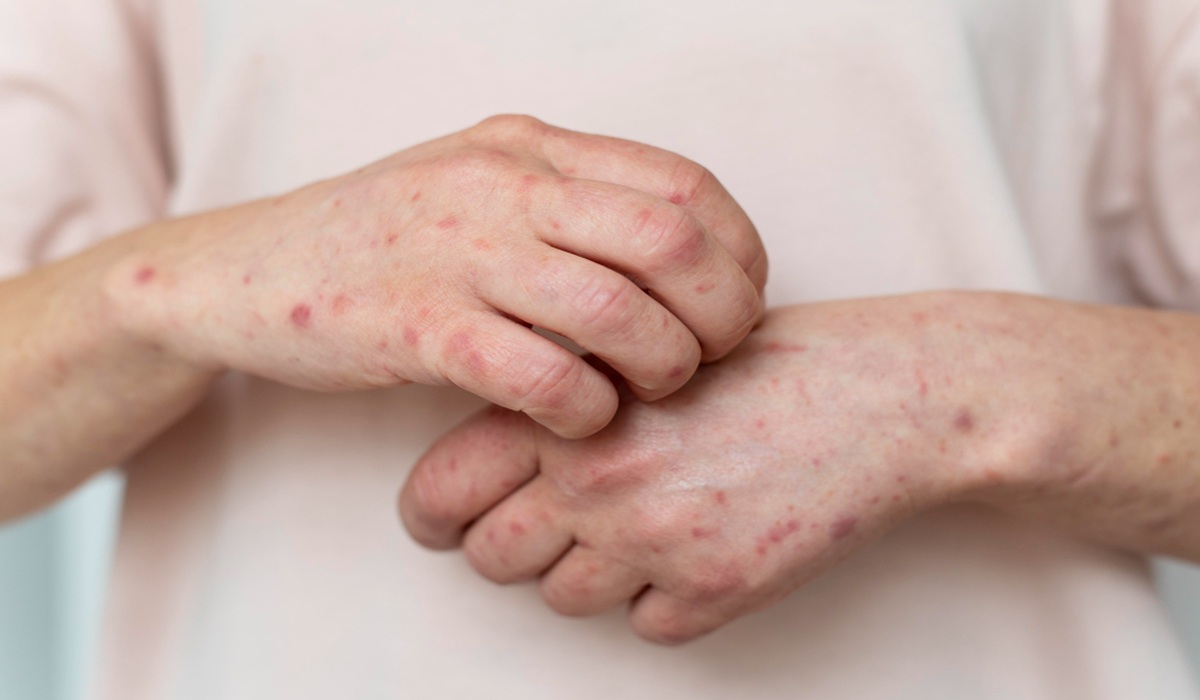
The recent surge in measles cases has been identified as an indicator of declining herd immunity in the community. Dr Aisyah Amanda Hanif, a lecturer at the Faculty of Medicine and Nutrition at IPB University, stated that increases in measles cases often occur when population immunity begins to decline.
“Measles is an extremely contagious disease. One infected person can transmit the virus to 12 to 18 susceptible individuals in their vicinity,” said Aisyah in a statement on Monday, 9 March.
She explained that approximately 90 per cent of people without immunity to the measles virus could become infected if exposed. For this reason, immunisation coverage becomes a critical factor in preventing the spread of the disease.
According to Aisyah, herd immunity against measles can only be achieved when more than 94 per cent of the population has immunity, either through vaccination or prior infection. Meanwhile, the Ministry of Health has set a target immunisation coverage for measles of at least 95 per cent.
“If immunisation coverage declines, the number of susceptible individuals increases. When the virus enters a community with many unimmunised people, outbreaks can occur more easily,” she said.
Aisyah emphasised that measles cannot be considered a mild disease. The measles virus spreads through the air and typically enters the body through the respiratory tract.
“Once inside the body, the virus replicates and spreads to various organs. The body’s immune response to this infection then produces the characteristic rash seen in measles patients,” she explained.
In some cases, measles can also cause serious complications, particularly in vulnerable groups such as infants, malnourished children, and individuals with compromised immune systems. Possible complications include pneumonia and encephalitis.
“Measles infection can also weaken the immune system, making patients more susceptible to secondary bacterial infections. This condition can worsen the situation and risk causing death,” she added.
Aisyah stressed that vaccination is the most effective preventive measure against measles. The measles vaccine uses a live but weakened virus that trains the immune system to recognise the virus without causing disease.
After vaccination, the body forms specific antibodies and develops long-term immune memory. Thus, when a person is exposed to the measles virus, the immune system can respond more quickly and neutralise the virus before disease develops.
Scientifically, the measles vaccine has proven to have more than 95 per cent efficacy after two doses and has been widely used in various countries for decades with a good safety profile.
She also reminded that children who have not yet received or have delayed immunisation can still receive the vaccine through catch-up vaccination programmes.
“Children who have not been vaccinated are the most vulnerable group to infection. For this reason, it is important for parents to ensure their children receive complete measles immunisation,” she said.
Aisyah appealed to the public to ensure children’s immunisation is complete, immediately undertake catch-up immunisation if delayed, recognise the early symptoms of measles, and isolate suspected cases to prevent transmission to others.
“Measles is a vaccine-preventable disease. With high immunisation coverage and good public awareness, the spread of measles can be prevented,” she said.
In Indonesia, the current child immunisation schedule follows recommendations from the Ministry of Health and the latest guidance from the Indonesian Paediatric Association (IDAI) updated in 2024. Doctors remind parents to complete children’s immunisation at least two weeks before the Eid holiday travel period. Complete immunisation according to age is the strongest protection for children.