
Measles Can Trigger Lung Infection and Brain Inflammation, Here's the Explanation
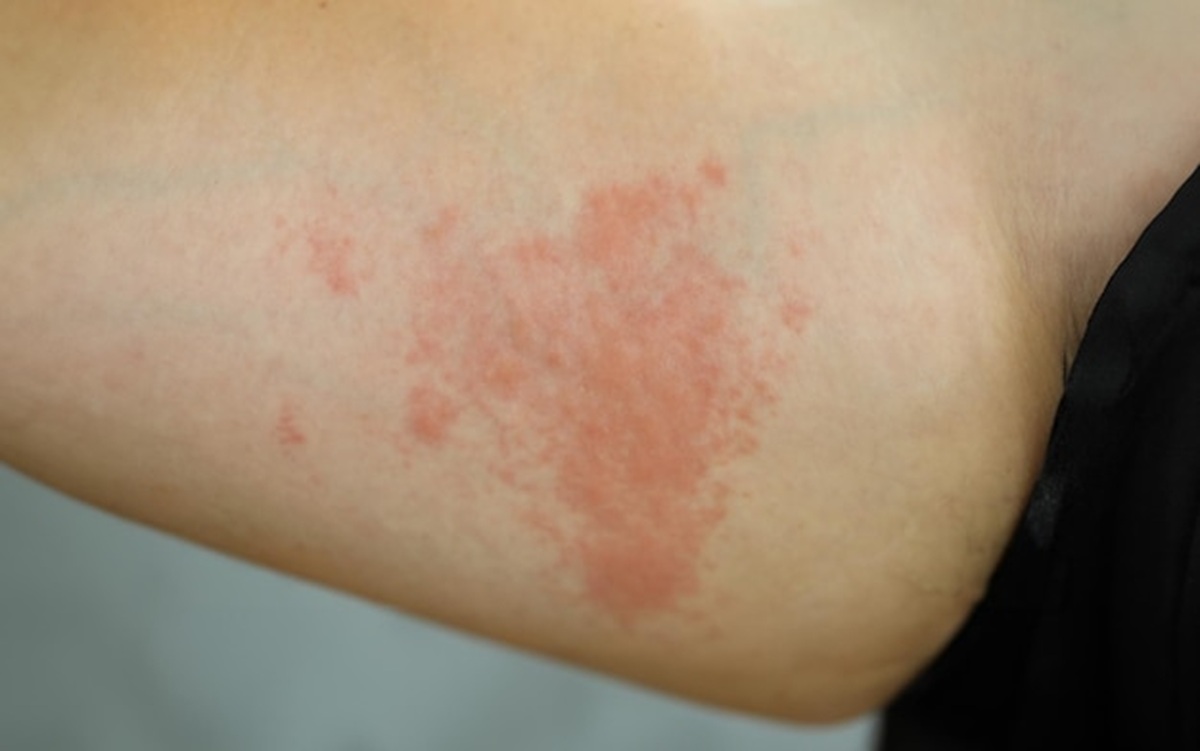
Measles is commonly known as a disease marked by fever and a reddish skin rash. However, this virus-caused illness can lead to various serious complications, including pneumonia and encephalitis, which can be life-threatening. According to information from the United States Centers for Disease Control and Prevention (CDC), measles is not merely a disease with mild symptoms. The infection can affect anyone, but infants and children are the groups most vulnerable to severe complications. Symptoms of measles typically begin to appear around 7 to 14 days after exposure to the virus. In the early stages, sufferers generally experience high fever, cough, runny nose, and red, watery eyes. Two to three days later, tiny white spots known as Koplik spots may appear inside the mouth. After this, the characteristic measles rash begins to emerge. The rash usually appears on the face near the hairline before spreading to the neck, torso, arms, legs, and eventually the entire body. When the rash appears, the patient’s body temperature can rise to more than 40 degrees Celsius. One of the most serious complications of measles is pneumonia, a lung infection that occurs when the virus causes inflammation in the lung tissue, disrupting the breathing process. The CDC notes that approximately one in every 20 children infected with measles can develop pneumonia. This complication is also the most common cause of death among children suffering from measles. Measles-induced pneumonia can cause symptoms such as shortness of breath, rapid breathing, chest pain, and a decrease in oxygen levels in the body. In severe cases, patients require intensive care in hospital. Besides pneumonia, measles can also trigger ear infections and diarrhoea. About one in 10 children with measles develops an ear infection, while diarrhoea is reported in a number of sufferers. Another equally serious complication is encephalitis, which is inflammation or swelling of the brain. Although it occurs less frequently than pneumonia, this condition can have serious long-term consequences. CDC data shows that about one in 1,000 children infected with measles is at risk of developing encephalitis. This brain inflammation can cause seizures, permanent hearing loss, and even intellectual disability. In certain conditions, encephalitis can also threaten the patient’s life. Therefore, measles must not be considered an ordinary illness that will resolve on its own without risk. Even after recovery, the danger of measles does not always end. In very rare cases, measles infection can lead to Subacute Sclerosing Panencephalitis (SSPE), a fatal disease that attacks the central nervous system. SSPE typically appears about seven to 10 years after a person has had measles. Interestingly, this complication can develop even when the patient appears to have fully recovered from the initial infection. The risk of SSPE is known to be higher in children who were infected with measles before the age of two. This condition demonstrates that the impact of measles can last far longer than is commonly understood by the public. Given the various complications that can arise, prevention is a crucial step. The CDC emphasises that vaccination is the most effective way to protect against measles and its complications. The measles vaccine not only helps prevent infection but also reduces the risk of severe complications such as pneumonia, encephalitis, and even SSPE, which can emerge years later.