
MBG "Reborn": Measuring Justice on the Right Plate
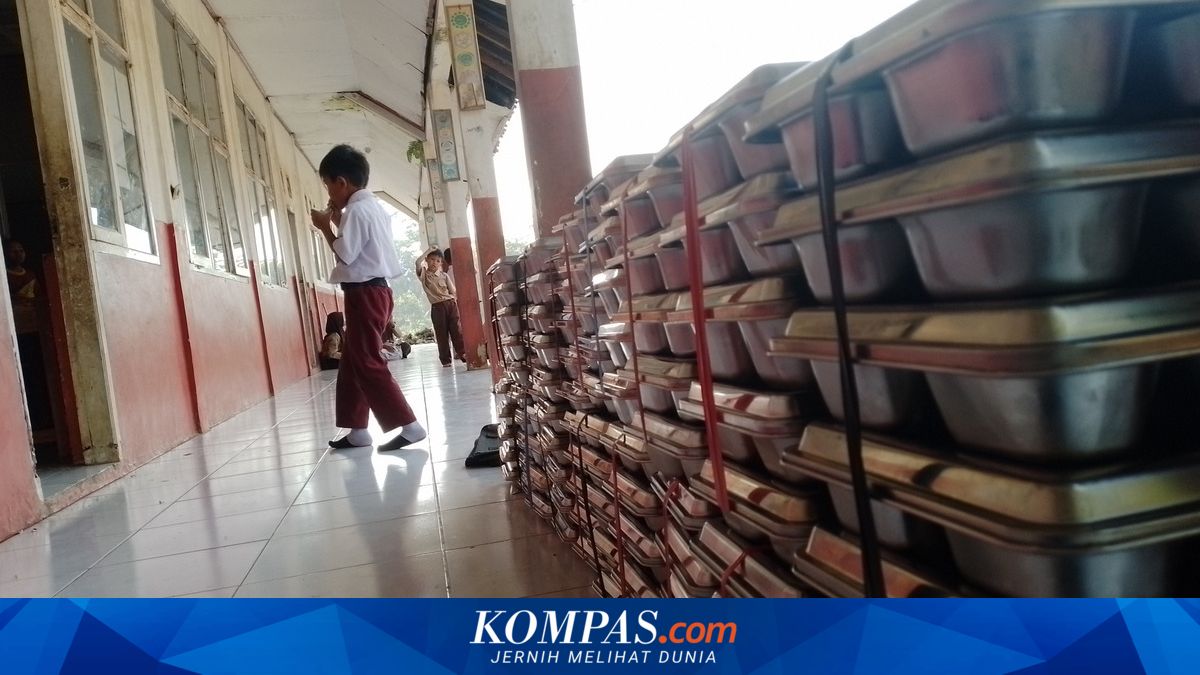
For a long time, the narrative surrounding the Free Nutritious Meals (MBG) programme has been trapped in debates over its colossal scale, as if the state were ambitiously becoming a giant catering service feeding all schoolchildren indiscriminately.
However, entering April 2026, we see a very fundamental paradigm shift.
This is no longer about mass distribution of packed rice meals to chase popularity or paper statistics, but a manifestation of the firm directive from President Prabowo Subianto instructing that the programme be returned to its original purpose as a highly precise medical-social intervention.
Based on the latest data from the 2025 Indonesian Nutrition Status Survey (SSGI), the reality on the ground shows that around 7.8 million children in Indonesia still suffer from chronic malnutrition.
This phenomenon places Indonesia among the top five countries with the highest nutrition problems in the world. These figures are not mere statistics, but a loud alarm for the nation’s future.
President Prabowo Subianto recognises that to achieve the Golden Indonesia vision, the government can no longer use a “one-size-fits-all” approach.
Therefore, the new policy direction focuses on addressing those 7.8 million children as the top priority, while children from economically capable families will no longer be beneficiaries to maintain fiscal efficiency.
The profound difference between universal policies and this latest directive lies in its philosophy of justice.
On various occasions, the new policy emphasises that justice should not be understood merely as ceremonial equal distribution.
Providing food assistance to children from affluent families whose protein intake is already abundant at home is actually a form of fiscal injustice that offends common sense.
This latest step comes to straighten out the policy rationale that has been too broad yet shallow for so long.
The desired substantive justice is the state’s courage to focus all its power and budget only on pockets of stunting and areas of poverty and extreme poverty.
This is the moment when every rupiah of the state budget works not as a menu supplement for those already full, but as a national defence tool to save the biological future of the most vulnerable generation.
Technocratically, this change alters the programme’s character from mere social philanthropy to a strict and measurable clinical intervention.