
MBG Project Contributes to Suzuki Commercial Vehicle Sales Surge Early This Year
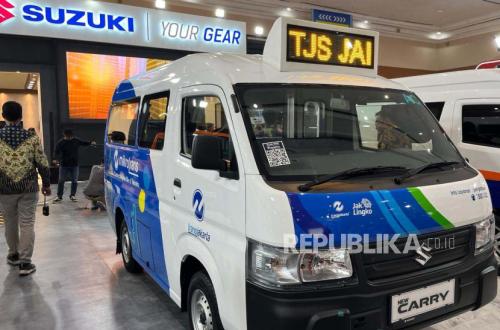
JAKARTA — The sales of commercial vehicles by PT Suzuki Indomobil Sales (SIS) received a boost from increased purchases by fleet consumers in early 2026. One source of this demand came from projects supporting government programmes, including the Free Nutritious Meals (Makan Bergizi Gratis, MBG) programme.
Deputy Managing Director of PT SIS, Dony Ismi Saputra, stated that the surge in vehicle demand had been anticipated by the company since late last year. Suzuki projected that peak demand would occur in February and prepared various sales programmes to capitalise on this momentum.
According to him, sales performance in February even exceeded the company’s expectations. This condition was influenced by two main factors: early-year seasonal patterns and the high contribution of vehicle purchases from fleet consumers.
“These fleet purchases come from both companies and several projects we undertake to support the government. For commercial vehicles, one source is from the MBG project and its contribution is quite substantial,” said Dony during Suzuki’s roadside service centre press conference in Jakarta on Wednesday (11 March 2026).
He explained that fleet purchases did not only come from government programmes, but also from private companies that began renewing their vehicle fleets at the beginning of the year. In Suzuki’s commercial vehicle segment, fleet consumer contribution was estimated to reach approximately 50 per cent, though this figure only refers to the composition of fleet purchases and not total commercial vehicle sales.
“Our commercial vehicle sales reached the 6,000 mark, with some coming from fleet purchases. Of these fleet purchases, 50 per cent are for MBG operations,” said Dony, declining to state the exact figures.
Beyond commercial vehicles, demand also occurred in the passenger vehicle segment. Suzuki recorded an increase in passenger car demand in early March of approximately 15–20 per cent compared to the same period in February, with equivalent selling days.
Dony believed that momentum ahead of the Lebaran holiday also contributed to this increase. Many consumers prepared vehicles earlier due to the extended holiday period and the need for mudik (homecoming travel).
Another factor affecting passenger vehicle demand was increased liquidity among the public in early year. Year-end bonuses and religious holiday allowances (Tunjangan Hari Raya, THR) received by workers in close proximity to each other were assessed to strengthen consumer purchasing power.
Suzuki also observed that a number of small and medium enterprises began expanding their business scale with the implementation of government projects. This condition encouraged some business operators to purchase new vehicles or replace old ones to support their operational needs.
In Suzuki’s portfolio, passenger vehicle models such as the Fronx, XL7, and Ertiga remain the main sales contributors. Meanwhile, in the commercial segment, models such as the APV and Carry pickup continue to have demand from the business sector, including the healthcare sector which uses vehicles as ambulances.