
MBG Programme Seen as Forming New Work Ecosystem in Food Sector
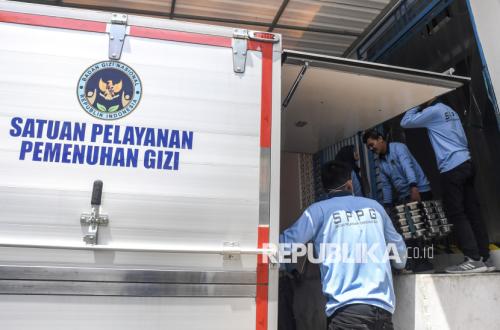
REPUBLIKA.CO.ID, JAKARTA — The Free Nutritious Meals (MBG) programme is considered not only focused on fulfilling children’s nutrition but also has the potential to form a broader employment ecosystem, particularly in the food services and distribution sectors. The programme is said to have derivative impacts on the social protection system for workers involved in it.
Social security observer Teguh Purwanto stated that the implementation of MBG involves a long chain of work, from kitchen management and food distribution to operational staff in the field. According to him, the employment aspects in the programme need to receive equal attention to the nutrition fulfilment aspects.
“MBG is not just about free nutritious food. Within it, there is a large work ecosystem, from labour to distribution,” said Teguh on Wednesday (13/5/2026).
He assessed that the state needs to ensure that workers involved in the Nutrition Fulfilment Service Units (SPPG) receive adequate social security protection. This is considered important given the scale of the programme involving thousands of service units in various regions.
The man, who is a graduate of the Faculty of Economics at the University of Indonesia and the University of New South Wales in Australia, said there are more than 25,000 SPPG with an estimated more than 1.2 million workers involved in the programme’s implementation. The large number, according to him, makes MBG have a direct impact on the national employment sector.
According to him, social protection for workers can impact the stability of field services. Workers with social security are assessed to tend to work more consistently and avoid unhandled work risks.
Teguh added that the protection in question can include work accident insurance, health insurance, old-age insurance, and death insurance. He assessed that such a scheme is relevant to support the long-term sustainability of the programme.
He also assessed that the MBG programme aligns with the human resource strengthening agenda in the Prabowo-Gibran government’s Asta Cita, particularly in terms of improving workforce quality and social welfare.
Teguh said that long experience in the social security field shows that investment in nutrition from an early age affects the quality of human resources in the future. Therefore, he assessed that the MBG programme has a strategic position in the long term.