
MBG Programme Prioritises Vulnerable B3 Groups
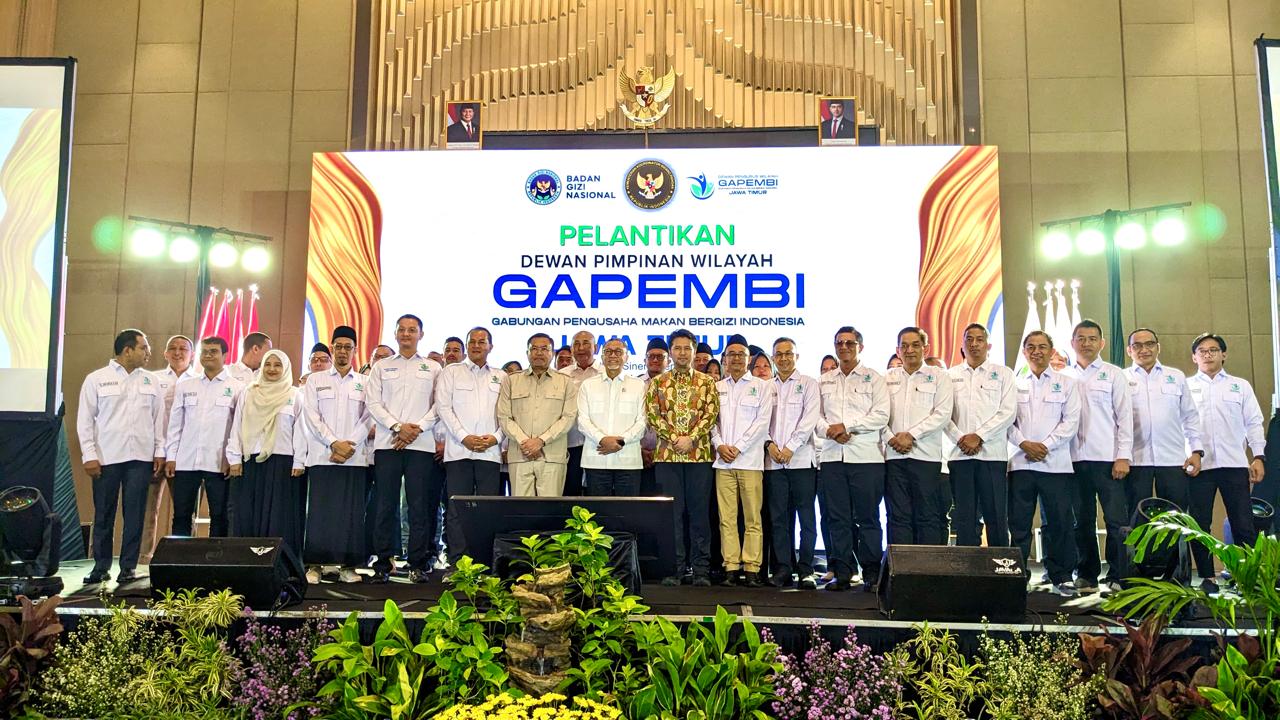
The government has emphasised that the Free Nutritious Meals (MBG) programme will prioritise vulnerable groups, or B3, as the primary beneficiaries.
This was stated by Deputy Head of the National Nutrition Agency (BGN) Sony Sonjaya during the inauguration of the Regional Leadership Council (DPW) of the Indonesian Free Nutritious Meals Entrepreneurs Association (Gapembi) in East Java in Malang, East Java, on Thursday (9/4/2026).
The B3 vulnerable groups in the context of this programme include pregnant women (bumil), breastfeeding mothers (busui), and toddlers (balita, children under five years old), who are the main targets of nutritional fulfilment interventions.
Sony said that besides targeting vulnerable groups, the MBG programme also places significant emphasis on hygiene and sanitation aspects as an important part of field implementation.
“This programme is not just about food distribution, but also about building awareness of the importance of cleanliness and sanitation,” Sony stated.
He added that MBG provides a multiplier effect for society, including creating job opportunities for volunteers, especially in underdeveloped areas. The programme is also part of efforts to prepare for the Golden Generation 2045, which requires an extraordinary approach.
In the near future, he explained, over the next month, the government projects significant expansion through the construction of Nutritional Fulfilment Service Units (SPPG) in remote and outlying areas.
Beneficiary data collection, he continued, is carried out in a structured manner, covering vulnerable groups and students registered in the Dapodik and Dikdasmen systems. To date, a social media-based database system has been developed, covering 3,801 SPPG in East Java, with 1,996 data points already compiled.
Meanwhile, Coordinating Minister for Food Affairs Zulkifli Hasan said the MBG programme not only impacts the improvement of children’s nutrition but also provides benefits for farmers and stimulates the national economy.
“This programme supports children’s intelligence because their nutritional intake is appropriate. On the other hand, farmers also gain economic benefits,” Zulkifli said.
He emphasised the importance of implementing the ASRI principles, namely Safe, Healthy, Clean, and Beautiful, including the waste-to-energy initiative targeted to run in 2027–2028. Additionally, village cooperatives are deemed necessary to function optimally to support the programme’s smooth operation.
General Chairman of the DPP Gapembi Alven Stony stated that his organisation fully supports the implementation of the MBG programme because it is considered to have significant benefits for Indonesia’s next generation.
“This programme has a significant impact on improving the quality of future generations, and it is developing faster than in other countries,” Alven said.
He also hopes that the inauguration of the DPW Gapembi East Java will serve as a momentum to strengthen synergy between the government, business actors, and society in accelerating the sustainable implementation of the MBG programme.
Meanwhile, Deputy Governor of East Java Emil Dardak hopes that the benefits of the programme will not only be felt by students but also by the wider community. He emphasised the importance of community involvement as suppliers of raw materials, volunteers, or in other supporting roles.
According to Emil, SPPG serves as an extension of the BGN’s hand in implementing the programme in the field. Therefore, Gapembi is expected to contribute to quality control supervision while ensuring the programme’s success. “The ultimate goal is to provide broad welfare for Indonesian society,” Emil said.