
MBG Programme Enables Cirebon Residents to Earn Decent Income
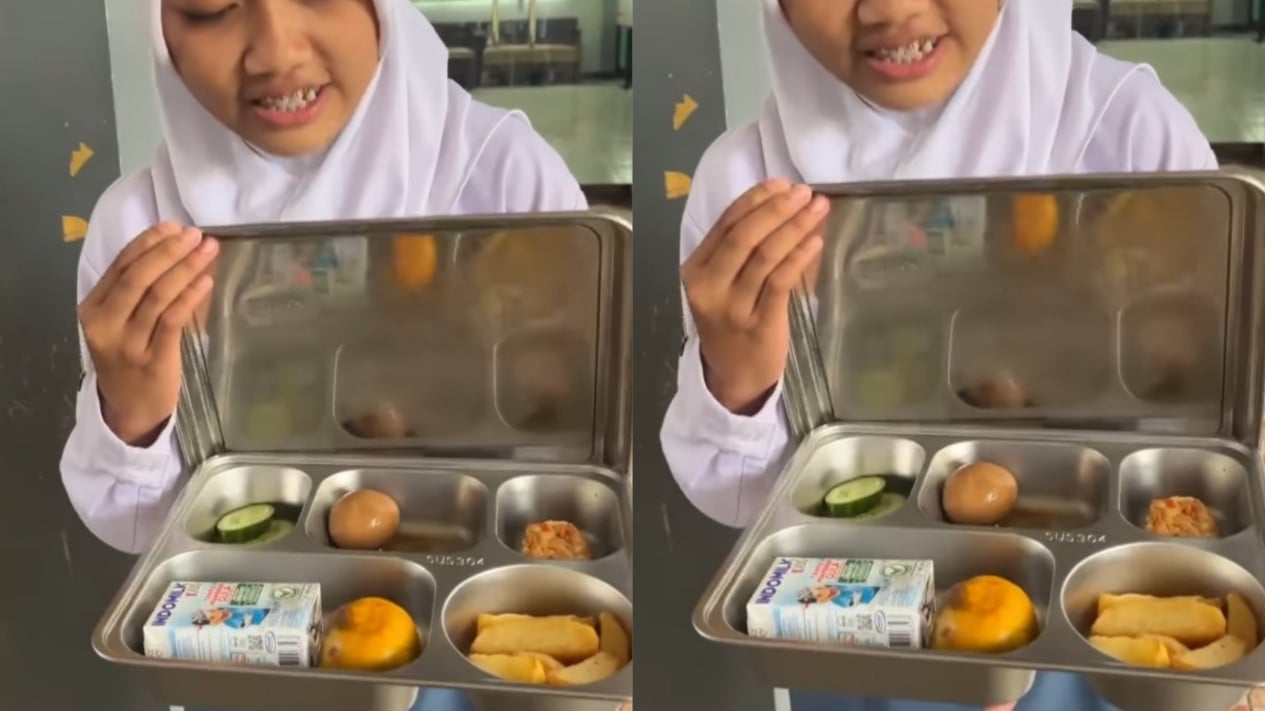
Cirebon, VIVA – The Free Nutritious Meals (MBG) programme not only impacts school students but also opens up employment opportunities with what is considered a decent income for the surrounding community.
This was stated by Adha Sidik Hidayat, a cook at the Nutrition Fulfilment Service Unit (SPPG) Banjarwangunan 1, Mundu Subdistrict, Cirebon Regency. He mentioned that the programme is able to absorb labour, including those who were previously unemployed.
“So, from the volunteers themselves who were originally unemployed, they certainly get decent jobs. There are several of our volunteers who are single parents, and the existence of MBG is very helpful in providing for their children,” said Adha, quoted on Sunday, 29 March 2026.
As an SPPG volunteer, Adha admitted that the income he receives is even above the Cirebon Regency Minimum Wage (UMK) every month.
“The benchmark from BGN for volunteers is Rp 100-200 thousand per day. For chefs, it’s an average of Rp 200 thousand per day. Just multiply by the number of working days. This is quite decent because the UMK in Cirebon is nearly Rp 3 million, so it already exceeds the Cirebon UMK,” said the chef who has been working since June 2025.
It is known that each SPPG involves a total of 47 volunteers divided into various divisions, from preparation, cooking, portioning, washing containers, to drivers, office boys (OB), and security personnel. In addition, there are three additional staff: the Head of SPPG, a Nutritionist, and an Accountant.
Interestingly, all these workers come from local residents. This is in line with the provisions of the National Nutrition Agency (BGN) which mandates recruitment of labour from the surrounding environment.
“Indeed, it is mandated by BGN that those working at SPPG must be warlok (local residents),” he said.
Adha assessed that the benefits of the MBG programme are not only felt by the main recipients, namely students, but also have a broad impact on the economy of the surrounding community.
“Local small and medium enterprises (UMKM) are also growing and developing. Not to mention the suppliers directly involved in procuring raw materials for the kitchen; even the surrounding stalls are developing because the volunteers buy coffee, food, or the like there every day,” he added.