
MBG, Government Communication, and the Stakes of Public Trust
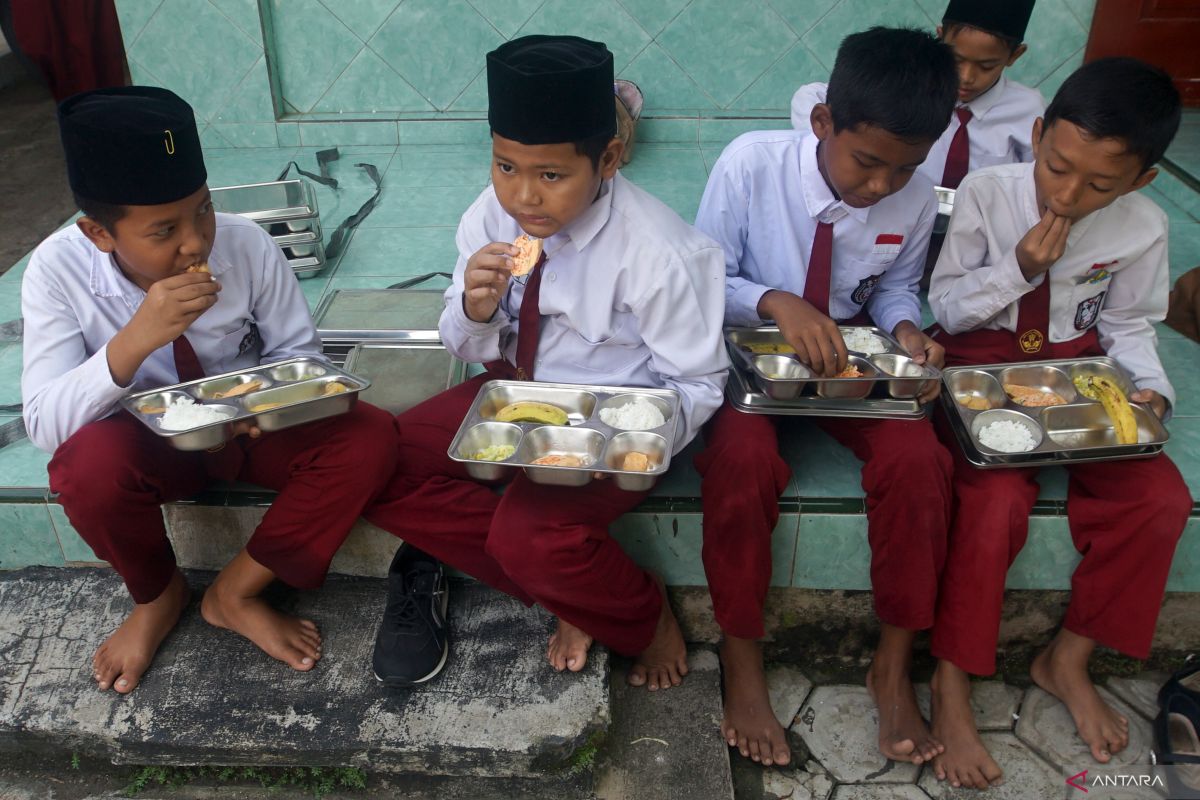
One of the most scrutinised government initiatives is the Free Nutritious Meals Programme (MBG)
Jakarta (ANTARA) - Two decades ago, citizens learned about government social programmes through announcements at village halls, neighbourhood information boards, or mass media.
Messages flowed one way. No room for questions, no feedback, and little way for the public to verify if programmes were actually being implemented on the ground.
Today, everything has changed. Government programmes are evaluated daily by millions of citizens directly, openly, and without prompting.
One of the most scrutinised government initiatives is the Free Nutritious Meals Programme (MBG). Nutritional inadequacies in menus are criticised within minutes. Delayed distributions are reported before official letters can be drafted.
Positive narratives abound too. Short videos showing children happily eating at school spread faster than any official press release.
In many schools, the arrival of nutritious meal packages is now eagerly awaited by students. Videos of pupils opening lunch boxes and displaying their favourite meals circulate widely on social media.
Today, national programmes no longer exist solely within Presidential Regulations or ministry reports; they live on mobile screens, family dining tables, and everyday public conversations.
This is a crucial shift to understand: it is not merely a change in platform, but a transformation in the very logic of communication. Government communication in the past relied on message control: information packaged centrally, disseminated through official channels, and the public positioned as passive recipients.
Narratives now supersede data.