
MBG Drives Changes in Eating Habits and Healthy Living Among the Public
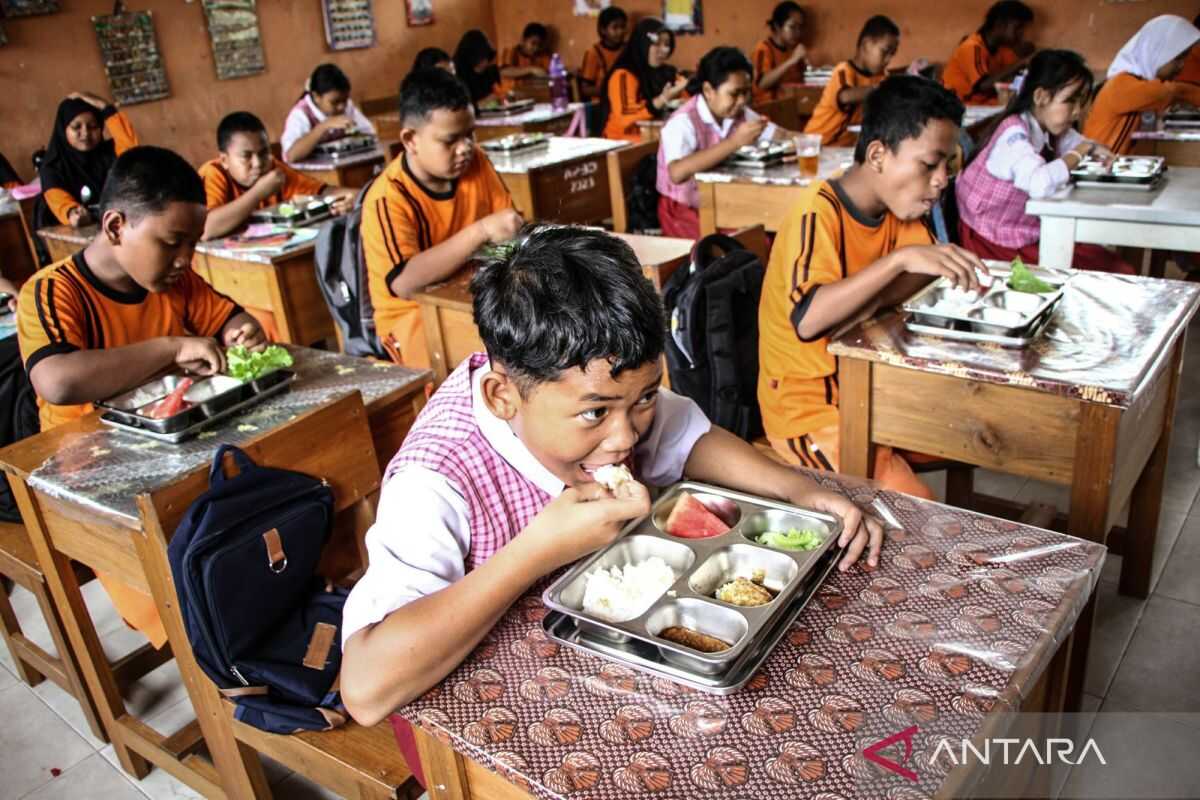
Jakarta (ANTARA) - Hariqo Wibawa Satria, a Senior Expert at the Government Public Communications Agency of the Republic of Indonesia, said the Free Nutritious Meals (MBG) programme is capable of driving changes in the eating culture and healthy living of the public, especially as part of building Indonesia Emas 2045.
“Simply put, by 2045 we want Indonesian children to have high incomes, healthy bodies, sharp minds, good character, and the ability to compete with children from other countries, so we are building a new civilisation through MBG,” he said in a podcast with ANTARA in Jakarta on Thursday.
He explained that currently, conversations on social media — aside from the tension between the United States and Iran — are often about nutrition, indicating rising public awareness of the importance of improving daily dietary intake.
“There are indeed criticisms, for example about ‘toxic food for free’ or the potential for corruption in the MBG programme, but now, if we look at mothers chatting, perhaps they are talking about nutrition or protein; that is something we should be grateful for, in other words education on a balanced diet is beginning to enter into society,” he said.
Hariqo stated that through MBG, the Free Health Check-ups (CKG), and priority programmes such as Sekolah Rakyat, a higher-quality civilisation can be built.
“There is CKG, MBG, these are the foundation of our civilisation, something very fundamental, so this programme is a priority of the government of President Prabowo Subianto; its urgency lies there. This programme is not only about providing food, but its broader aim,” he explained.
He noted that although Indonesia has been independent for 80 years, data show that more than 96 per cent of Indonesians do not eat enough vegetables and fruits, 66 per cent of Indonesian children have poor dietary patterns, 65 per cent of children do not have breakfast before going to school, and 32 per cent of adolescent girls suffer from anaemia.
“Moreover, 21 per cent of under-fives are stunted. In addition, before Mr Prabowo became President, more than 2,000 people died daily from tuberculosis and cardiovascular diseases,” he stated.
Therefore, the MBG programme exists to improve the nutritional quality of the nation’s children, and to date has reached more than 60 million beneficiaries across 24,204 SPPG.