
Marty: Diplomacy should be the primary option for addressing global conflict risks
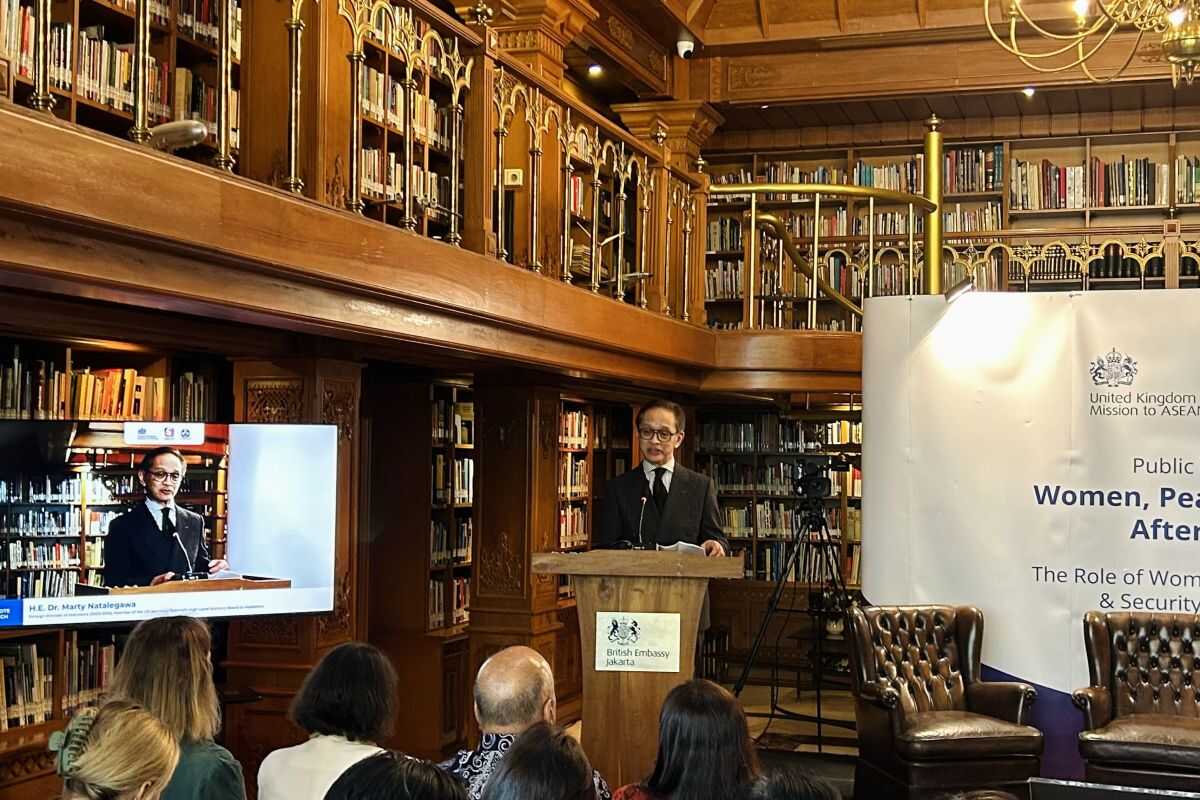
Jakarta (ANTARA) - Former Indonesian Foreign Minister for the period 2009–2014, Marty Natalegawa, has affirmed that diplomacy should be the primary option to address global conflict risks, enabling mediation and negotiation to succeed amidst a deficit of trust, a crisis of leadership, and increasing global conflict risks.
Speaking at a “Public Discussion on Women, Peace, and Security After 25 Years” in Jakarta on Wednesday, Marty conveyed that initiatives concerning women can only be strengthened if the international environment is supportive. However, he reminded that the world is always full of challenges, including in efforts at mediation and negotiation.
“First, there must be unwavering belief and trust in the effectiveness of diplomacy. Diplomacy must be prioritised,” he said.
He stated that diplomacy is a force multiplier for countries that may be considered relatively weak in other sectors. Through diplomacy, he said, the global community can create a more level playing field.
In addition to diplomacy, he emphasised that the success of mediation and negotiation is also determined by almost unlimited patience and perseverance to continue striving tirelessly.
Marty recounted how, during the negotiation process, he sometimes chose to remain silent to dampen egos in order to pave the way for peace.
“How many times have we witnessed conflicts that are so real, with various diplomatic efforts, dialogues, and sincere negotiations carried out, but new obstacles and challenges always emerge. Therefore, we need resilient individuals who have the ability to continue to rise again,” he said.
Marty added that in addition to diplomacy and perseverance, impartiality, empathy, and the ability to build “bridges of communication” also play an important role in the success of mediation and negotiation.
He summarised that these decisive characteristics are often found in women. However, he expressed his concern that only about seven percent of negotiators are women and only 14 percent of female mediators are involved in formal processes.
This low participation of women, he said, seems to create a perception of “gatekeepers” who determine who can be involved. Therefore, he urged women to demonstrate their capacity and contribution in the peace process.
“What we need is for women to demonstrate, not just obtain, but truly show the contribution that they can and should make. Because this is not only for the benefit of those involved in this field, but for the benefit of all of us,” he said.