
Markus Mekeng: Regional Bond Act a Solution for Cash-Strapped Local Governments Amid Efficiency Measures
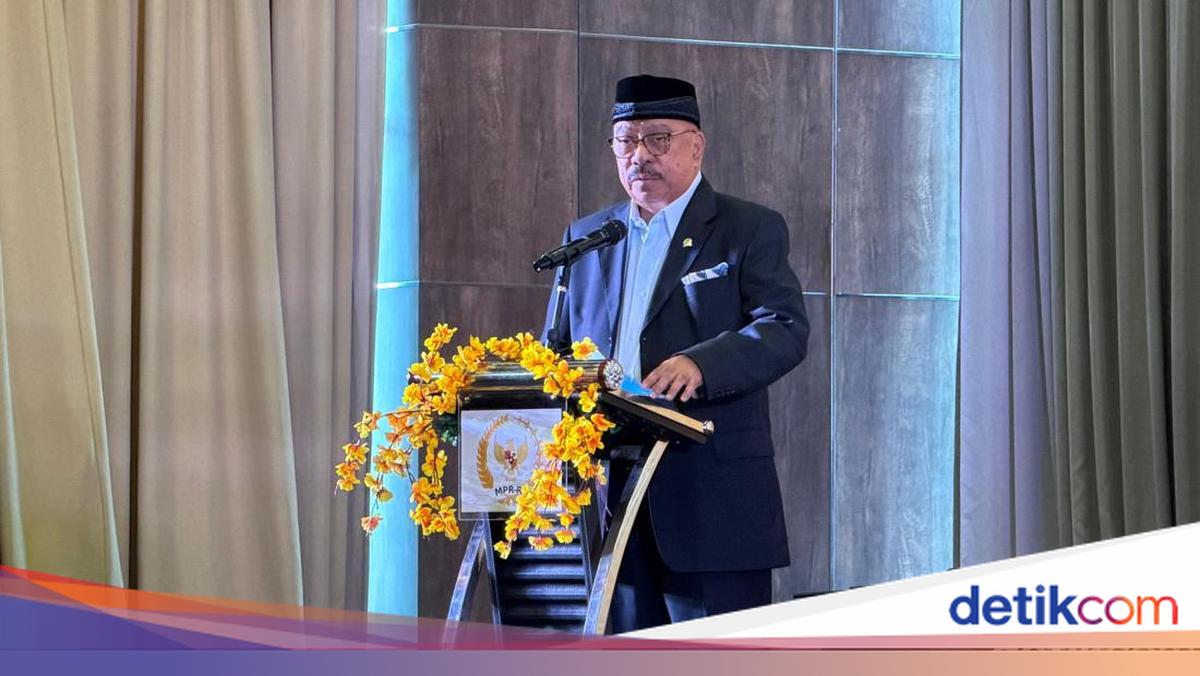
This step is regarded as a concrete breakthrough amid cash-strapped local government finances resulting from budget efficiency measures and cuts to locally managed funding by the central government. This was stated by Melchias Markus Mekeng, Chairman of the Golkar Faction in the MPR, at the opening of the National Sarasehan titled Regional Bonds as One Alternative for Local Financing and Public Investment Instruments, held at the Aston Palembang Hotel & Conference Centre. Markus disclosed that South Sumatra is the seventh province and the final region outside Jakarta in this tour to gather public input. Previously, similar events had been successfully conducted in North Sulawesi (Sulut), Yogyakarta, West Java (Bandung), Bali, East Nusa Tenggara (NTT), and East Java (Jatim). Because we are all undergoing efficiency, the last stop will be Jakarta. We should still travel around to a number of regions, but due to efficiency we are limiting it, and South Sumatra has become the last province for us to hold a sarasehan, Markus said in a statement on Wednesday (20 May 2026). Markus explained that the sarasehan forum functions like a Public Hearing (RDPU). The input from speakers and regional practitioners will be compiled directly into the basis for an academic paper. The drafting team is targeting to complete this document by August 2026 for submission to the government and the DPR RI so that it can immediately enter the National Legislation Programme (Prolegnas). The regional bond issue has actually been on the agenda since 2000. Yet Markus says the current moment is the most appropriate due to the fiscal conditions of regions tightening belts as a result of central transfer cuts. Now the regions can be said to be cash-strapped because their DKD has been reduced. But we must not stop here, he stressed. The country must continue to progress, the regions must progress. One breakthrough is issuing regional bonds, he continued. At present, APBD remains heavily dependent on central transfer funds such as the General Allocation Fund (DAU), Special Allocation Funds (DAK), and Revenue Sharing Funds (DBH). On the other hand, local governments are required to remain autonomous in financing infrastructure development and improving public services. Regional bonds are projected to become an independent financing alternative that involves community participation and financial institutions through capital market instruments. Although it offers a new hope for development financing, Markus reminded that the process of issuing regional bonds is not instant. There are stringent conditions that must be met by any local government wishing to utilise this instrument. To issue regional bonds is not easy; everything must be put in order — accounting, personnel, and politics too, Markus said. So we hope today’s sarasehan will enrich us in the Golkar Faction to finalise the academic paper, he added. The event also featured Bobby Adhityo Rizaldi of BPK RI as keynote speaker. Also present were Agus Fathoni, Director General of Bina Keuangan Daerah at the Ministry of Home Affairs; I Made Bagus Tirthayatra, Head of the Department of Emitter Assessment at the OJK; Prof Didik Susetyo of Sriwijaya University; and Heru Helbianto, Director of Finance and Treasury at Bank NTT.