
Marapi: Between Threat and Blessing
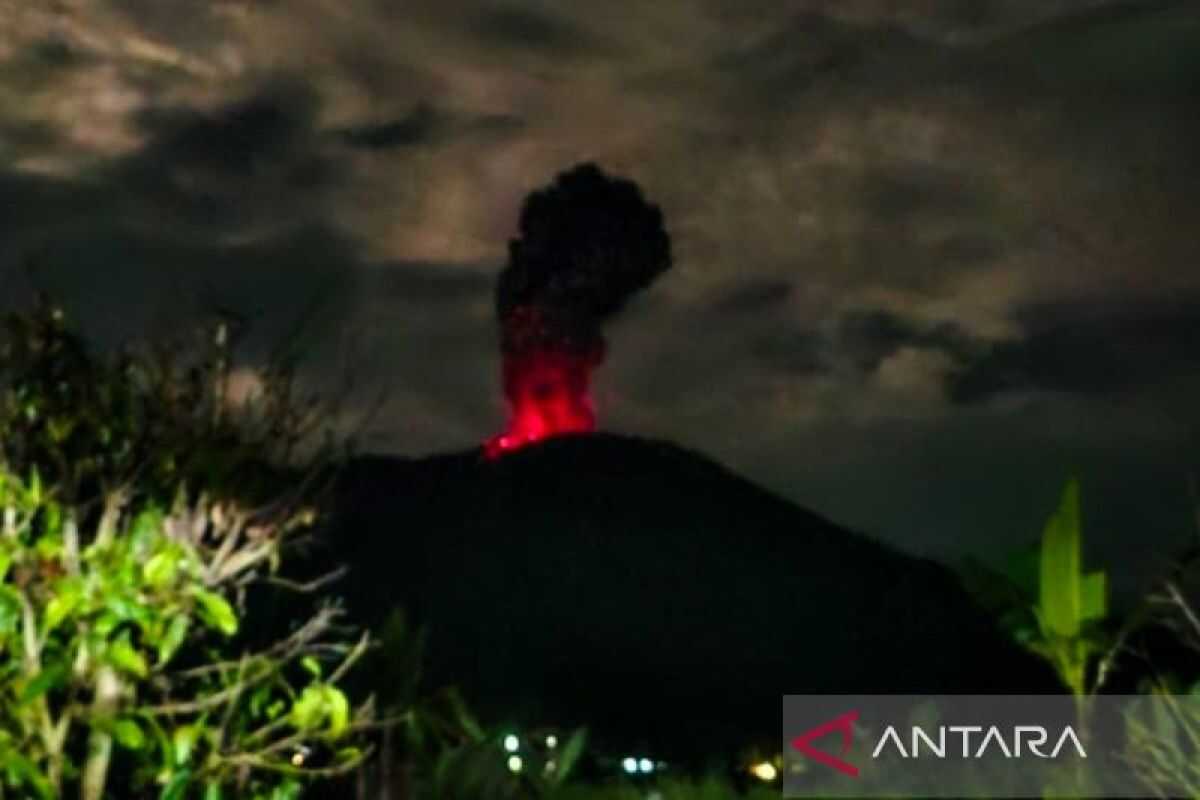
Mount Marapi in West Sumatra has continued to show its volcanic activity from 3 December 2023 to 3 March 2026. The mountain has never truly stood still. Based on official reports from MAGMA ESDM, over this period there were 528 eruptions, of which 524 were classified as small (VEI 1) and 4 slightly larger (VEI 2). Scientifically, these eruptions are considered small, but because they occur repeatedly, Marapi appears to release its energy gradually.
In addition to these eruptions, there were 8,904 emissions consisting of gas and ash at lower intensities. These emissions may not always be accompanied by loud detonations, but they indicate that the magma chamber beneath remains active. Marapi seems to breathe at length, releasing vapour, gas and ash slowly, reminding us that the ground beneath our feet is always moving.
Imagine it: almost every day there is recorded activity. Over about 27 months, the average is nearly 20 eruptions per month. In other words, Marapi’s activity is not a one-off event but a persistent pattern.
For nearby residents, this is about more than a statistic. At times the smell of sulphur reaches as far as Kubang Putih and even the city of Padang Panjang. Fine ash can fall gently, settling on rooftops, plant leaves and streets.
In scientific terms, VEI 1–2 eruptions are indeed small. The ash column is generally not very high. Yet if such small eruptions occur hundreds of times, the total material released remains substantial.
Theoretically, the total material discharged could reach tens of millions of cubic metres. The exact figure varies, but the point is clear: little by little, the mountain’s slopes are reshaped. Rivers carry more sediment. The landscape gradually adjusts.
Environmental change does not always arrive in a single dramatic explosion. Sometimes it arrives as the accumulation of small, repeated events.
Threat and Blessing