
Mapping the World's Critical Oil Chokepoints: Malacca to Hormuz
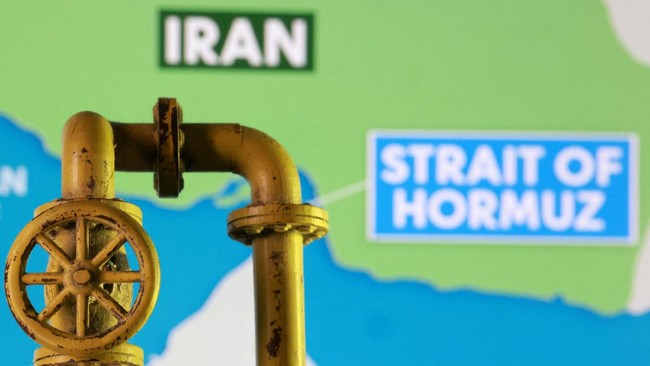
Global oil supplies are heavily dependent on a number of narrow maritime routes known as oil chokepoints. These corridors serve as primary transit points for global oil trade and play a crucial role in maintaining the stability of the world’s energy supply.
Due to their limited capacity and lack of viable alternative routes, disruptions to these passages can trigger energy supply shocks and spikes in global oil prices.
According to data from the U.S. Energy Information Administration (EIA), approximately 73 million barrels of oil per day transit through various narrow straits.
Several regions serve as primary transit points in global energy trade, ranging from the Middle East to Southeast Asia.
The Strait of Malacca
The Strait of Malacca, located between Malaysia and Indonesia, is a principal corridor for oil shipments from the Middle East to Asian nations including China, Japan, and South Korea.
Approximately 23.2 million barrels of oil per day passed through the Strait of Malacca in the first half of 2025. This volume represents approximately 29.1% of global oil trade via maritime routes, making it the world’s busiest oil chokepoint.
The Strait of Hormuz
The Strait of Hormuz is another strategically significant route in global oil trade. This strait connects the Persian Gulf with the Arabian Sea and serves as the primary exit route for oil exports from producing nations in the Gulf region.
Approximately 20.3 million barrels of oil per day transit through the Strait of Hormuz, or roughly 30% of global maritime oil trade. The majority of oil passing through this route is exported to Asian markets, including China, India, Japan, and South Korea.
The dependence of global oil trade on a limited number of narrow maritime passages creates a global energy distribution system that is particularly vulnerable to various disruptions. Geopolitical conflict, military tension, and operational obstacles along these routes can rapidly affect energy supply flows to numerous countries.
As a result, oil chokepoints are widely regarded as vital routes within the global energy system. Security and stability in these regions are critically important to ensure smooth global oil distribution and maintain stability in international energy markets.