
Many Graduates Struggle to Find Jobs, Prabowo Pushes Vocational Education as Solution
The gap between the world of education and industry requirements remains a classic issue in Indonesia. Not a few graduates find it difficult to penetrate the job market because the competencies they possess are not fully aligned with the needs of the business world. This situation is prompting the government to strengthen vocational education as a bridge to close that gap.
The Ministry of Industry views this problem as something that cannot be allowed to drag on because it directly impacts the competitiveness of the national workforce. Therefore, strengthening vocational education is now positioned as one of the priorities.
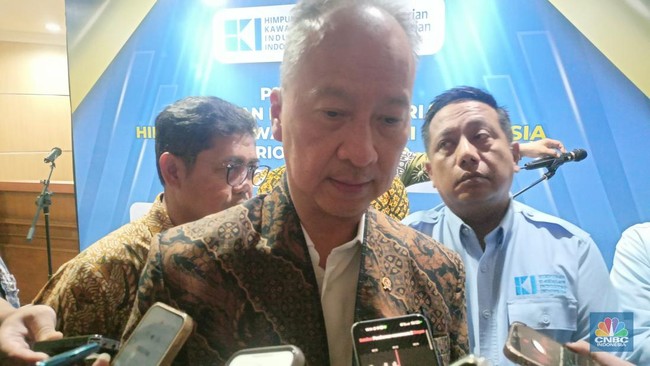
Minister of Industry Agus Gumiwang Kartasasmita emphasised that the government wants to ensure that education graduates have a direct connection to industry needs, both domestically and globally.
“President Prabowo emphasised that vocational education must become a national priority so that graduates have competencies that match the needs of the job market, both domestically and in the global market,” said the Minister of Industry in his statement in Jakarta on Tuesday (21/4/2026).
To address this challenge, the Ministry of Industry is strengthening the role of vocational education units under its auspices to make them more adaptive to industry developments. The curriculum and learning patterns are designed to be closer to the needs of the business world, so that graduates not only have knowledge but also skills that are ready to use.
Currently, the Ministry of Industry oversees 11 polytechnics, 2 community academies, and 9 industrial vocational high schools, which each year produce ready-to-work industrial workforce candidates who are closely linked to the needs of the business and industrial world. The majority of graduates from these educational units have been absorbed into industry, while the rest obtain employment at the latest six months after graduation.
Head of the Agency for the Development of Industrial Human Resources (BPSDMI) Doddy Rahadi stated that this approach is beginning to show results, as seen from the quite high absorption rate of graduates.
“The absorption rate of graduates into industry in 2025 reached 68 percent immediately after graduation, and is projected to reach 100 percent within six months after graduation,” Doddy revealed.
From data on the Industrial Vocational Admission Path (JARVIS) in 2025, there were 82.8 thousand registrants for polytechnics and community academies, and 28.8 thousand registrants for vocational high schools. This number increased significantly compared to 2024, which recorded around 60 thousand registrants for polytechnics and community academies and 23.5 thousand for vocational high schools.