
Manual Ticketing Returns, Targeting Violations That Trigger Accidents
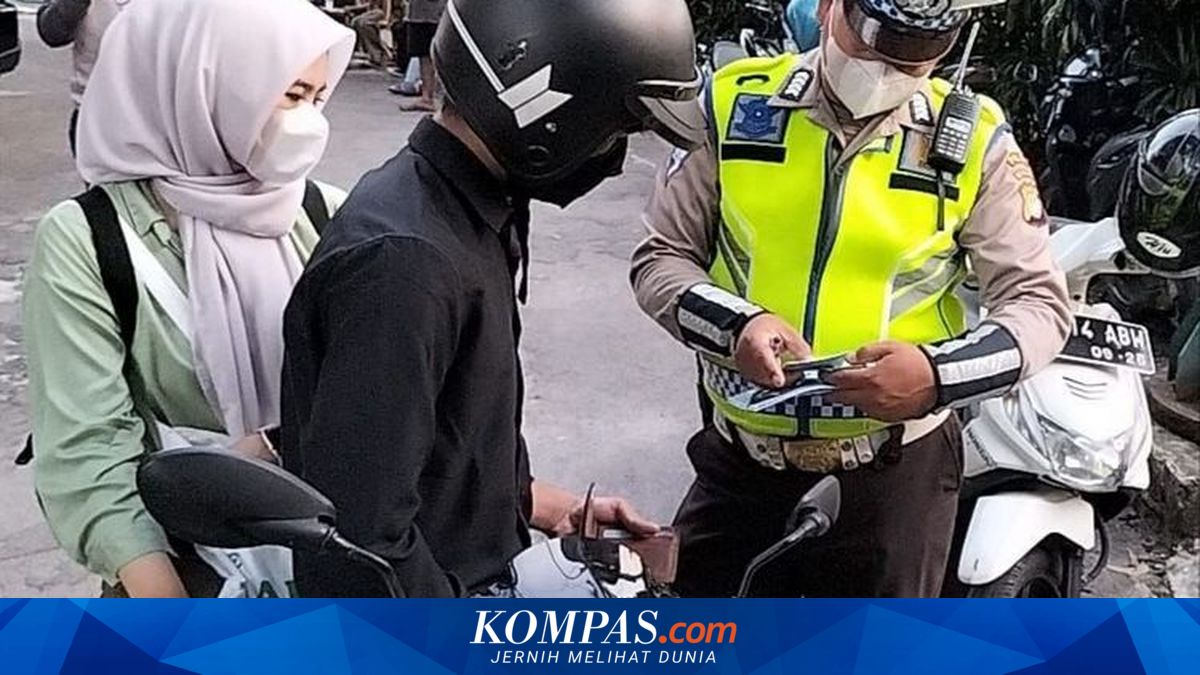
JAKARTA – The police are preparing to optimise manual ticketing again, as a complement to the electronic system in addressing traffic violations.
Although the National Police Traffic Corps continues to prioritise ETLE-based law enforcement, manual ticketing is still given limited space, particularly for violations with high potential to cause accidents.
This policy was affirmed by the Director of Law Enforcement (Dirgakkum) of the National Police Traffic Corps, Brigadier General of Police Faizal, who stated that the portion of manual ticketing is only a maximum of 5 per cent of total enforcement.
“What are the examples? Wrong-way driving, just ticket them manually. Because from a psychological perspective, manual is more effective since the officer meets the violator, they will surely feel embarrassed,” said Faizal, in a written statement on Thursday (2/4/2026).
According to him, the direct approach through manual ticketing has a psychological effect that the electronic system does not possess.
Nevertheless, ETLE remains the backbone of traffic law enforcement because it is deemed more transparent and accountable.
The use of this technology is also being expanded to reach more violation points without direct interaction, thereby minimising the potential for deviations.
“The data I read at the Traffic Corps shows that the highest number of ETLE devices after Java is in South Sulawesi. There are 74 handheld devices, which are being optimised,” said Faizal.
“Balance it with manual, go ahead. The key is no transactional practices, this needs attention especially in areas with many accidents,” he added.
With a combination of electronic and more targeted manual ticketing, the police hope that law enforcement can become increasingly effective, particularly in curbing high-risk violations that trigger traffic accidents.