
Mantra for Saving Bali's Tourism Amid Global Uncertainty
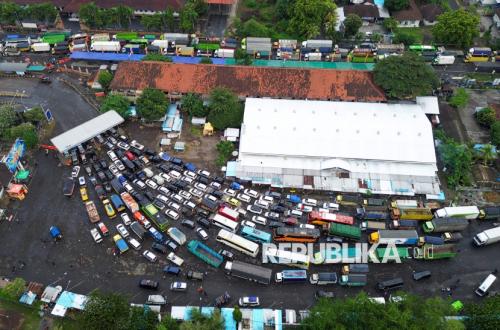
Under Bali’s still bright blue sky, the sea breeze at Kuta Beach has felt somewhat different lately. March 2026 is nearly over, but the tension thousands of kilometres away in the Middle East continues to cast a long shadow over the Island of the Gods. Since 28 February, when the United States and Israel launched airstrikes against Iran, the world seems gripped once again by uncertainty. A ceasefire is not in sight, negotiations are stalled, and airspace in the region was temporarily closed tightly. The distance is far, but the ripples have reached here. Bali, which for years has depended on the pulse of tourism for its lifeblood, is feeling the blow through skies suddenly quiet from transit aeroplanes. Ngurah Rai International Airport recorded that in the first week of the conflict (28 February to 6 March), 64 international flights were cancelled—34 departures and 30 arrivals. More than 8,000 prospective passengers were forced to postpone their journeys, mostly tourists planning to transit through Doha, Abu Dhabi, or Dubai before continuing to Europe and America. Bali Governor Wayan Koster noted the direct impact: foreign tourist arrivals have decreased by around 800 people per day. Hotels are beginning to feel the drop in occupancy, souvenir sellers in art markets, taxi drivers, and owners of small eateries are all tasting the bitterness. Yet, amid the gusts of this crisis, Bali is not standing still. It is starting to look in other directions, seeking new breath. The ideas of two world-renowned marketing gurus, Philip Kotler and Gary Armstrong, seem like a soft whisper in the ears of Bali’s tourism players. In their classic book, Principles of Marketing, they remind us: in tough times, the key is not just survival, but attracting new markets while nurturing those that have been loyal. Diversification has become the mantra now being echoed more loudly. Asian markets are now a bright hope. India, China, South Korea, Japan, and other ASEAN countries are rising. Data from the Bali Provincial Central Statistics Agency for 2025 shows India in second place with more than 569,000 visits, followed by China with over 537,000. Growth in tourists from China, South Korea, and Japan even recorded double-digit increases compared to the previous year. Their advantage? Direct flights that do not rely on vulnerable Middle Eastern hubs.