
Managing the Blessing of Commodities for Sustainable Fiscal Resilience
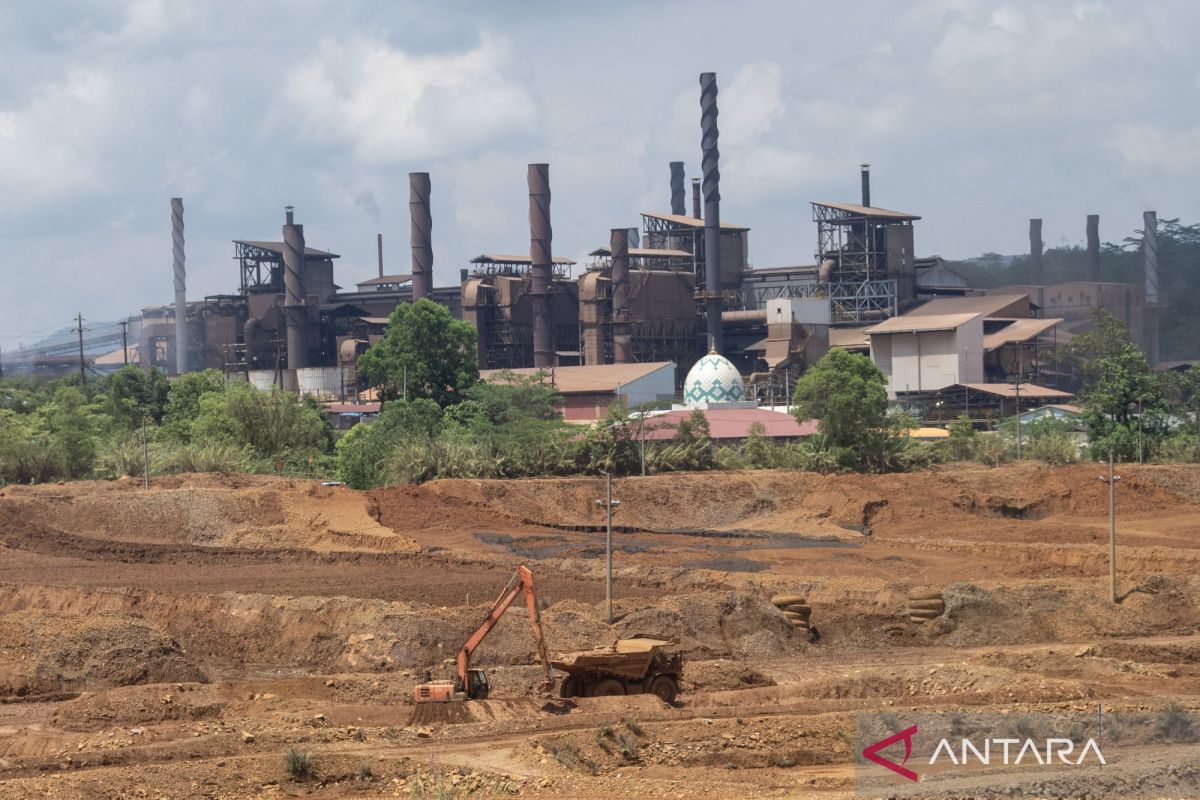
The challenge now is to ensure that every rupiah generated not only strengthens the state coffers but also builds a fairer, more resilient, and highly competitive future.
Jakarta (ANTARA) - The surge in gold and copper prices at the start of 2026 is not just good news for the global market, but also an important signal for Indonesia’s fiscal direction.
Amid the uncertain dynamics of the world economy, the performance of non-tax state revenues from the natural resources sector is demonstrating strong resilience.
The realisation of Non-Tax State Revenues from Natural Resources (PNBP SDA) reaching Rp53.6 trillion, or about 20.5% of the state budget target in the first quarter, is no ordinary figure.
Rather, it reflects how Indonesia’s economic structure still has a solid foundation, while also opening space for reflection on how this momentum should be managed.
The largest contribution comes from non-oil and gas natural resources at Rp35.1 trillion, or 24.4% of the target, with annual growth of around 7.1%.
This figure shows that the mineral and coal mining sector remains the main engine of state revenues outside of oil and gas.
Finance Minister Purbaya Yudhi Sadewa has emphasised that this strengthening performance is primarily driven by the rise in global commodity prices.
The data presented shows a surge in gold prices by up to 73%, copper by 40%, and nickel by around 9% compared to the same period last year.
This increase directly impacts state revenues through royalties, production levies, and other revenue schemes.
However, reading these figures should not stop at short-term fiscal euphoria. This is precisely where the strategic challenge that must be addressed lies. Dependence on global commodity prices always carries the risk of volatility.
What is a blessing today can turn into pressure when the price cycle reverses. Therefore, this achievement needs to be understood as a window of opportunity, not a comfort zone.
Policy strengthening