
Managing Battery Power During Mudik With an Electric Car
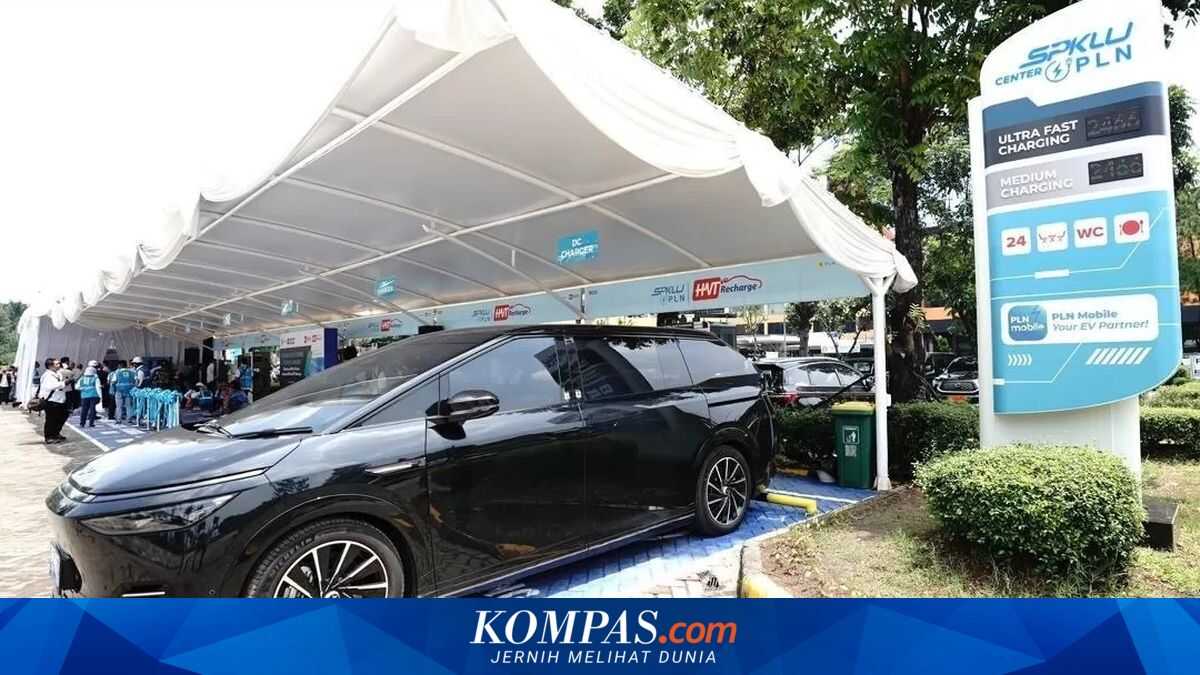
Mudik in an electric car is increasingly feasible as charging infrastructure in Indonesia continues to develop. However, SPKLU charging stations are not available everywhere.
Thus, long-distance journeys in an electric car still require careful preparation to ensure that the mudik trip runs smoothly and comfortably.
Jayan Sentanuhady, a lecturer in Mechanical Engineering at Gadjah Mada University (UGM), said that electric-car drivers need to plan their travel routes carefully.
This planning is important to avoid running out of battery mid-journey. Leave a 30 percent battery reserve each time you plan to recharge.
When the battery drops to 30 percent, start looking for the nearest SPKLU charging location; do not wait until it is nearly exhausted, to be safer and more comfortable, said Jayan.
Aim to charge to at least 90 to 100 percent; get into the habit of charging at low voltage or slow charging to keep the battery from overheating, said Jayan.
Vehicle condition checks are equally important before long trips. Ensure tyre pressure, braking system, and the vehicle’s electrical system are in good condition to make the journey safer.
Driving style also affects the energy efficiency of electric cars. Driving with a steady speed and avoiding sudden acceleration can help conserve battery power.
Using energy-saving driving modes such as Eco Mode can also help extend the vehicle’s range. This mode tunes the electric motor’s output for greater efficiency.
With route planning, battery management, and efficient driving, mudik in an electric car can be a safe, comfortable, and energy-efficient journey.